Apple Butter: 7 delightful recipes to savor this season
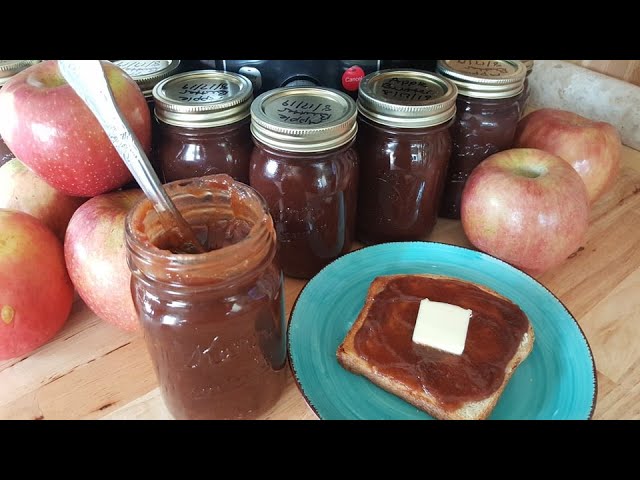
The Art of Making Apple Butter
Have you ever tasted the divine spread of apple butter? 🍏 For many, it’s a delightful revelation! This timeless preserve boasts a rich, sweet flavor, deep caramel color, and a smooth, velvety texture that elevates everything from morning toast to gourmet cheese boards. In this guide, we’ll explore the intricacies of crafting the perfect apple butter, along with essential tips and techniques to enhance your creation. Get ready to savor the charm of this classic delicacy!
What is Apple Butter?
Apple butter is not just a delicious condiment; it’s an age-old tradition in various culinary cultures. Essentially, it’s a concentrated form of applesauce that undergoes a long cooking process, allowing the sugar in the apples to caramelize, thereby creating a rich and complex flavor profile. Unlike ordinary apple sauce, which retains a certain chunkiness, apple butter achieves a smoother consistency, ideal for spreading.
Produced mainly from apples, this versatile preserve also benefits greatly from the addition of spices such as cinnamon, nutmeg, and cloves, providing a warm flavor that harmonizes beautifully with its fruit base. What sets apple butter apart is the patience required for its preparation; this slow cooking process is where the magic happens. By the end of this journey, your kitchen will be filled with the warm, comforting aroma of spiced apples. But that’s not all—let’s delve deeper into the process and discover the secrets behind this beloved spread.
Essential Ingredients for Crafting Apple Butter
To create a luscious batch of apple butter, you’ll need:


- Apples: Choose a mix of sweet varieties like Fuji and tart ones like Granny Smith for balanced flavor.
- Sugar: Brown sugar complements the caramelization process, enhancing the natural sweetness of the apples.
- Spices: A blend of cinnamon, nutmeg, and cloves adds depth. Adjust according to taste!
- Acid: A splash of lemon juice helps to brighten the flavors and preserves the rich color.
Different varieties of apples significantly impact the final taste of your apple butter. For instance, using fresh, local apples not only enhances flavor but also supports local agriculture. Don’t hesitate to experiment with different apple combinations; each mix creates a unique flavor profile.
The Cooking Techniques Behind Apple Butter
Creating apple butter requires a bit of time and care, but the process is straightforward. Here’s how you can do it:
1. Preparation: Start by peeling, coring, and dicing your apples.
2. Cooking: Combine the diced apples with sugar and spices in a large pot. Cook over medium heat, stirring occasionally, until the apples are softened, usually about 20–30 minutes. This initial cooking step is critical as it allows the apples to release their juices.
3. Blending: After the apples are soft, use an immersion blender to puree them until smooth. Alternatively, transfer to a blender in batches (exercise caution with hot liquids!).
4. Slow Cooking: Return the pureed mixture to the pot and reduce the heat to low. Cook uncovered and stirring frequently for 1–2 hours, or until thickened and darkened. The longer the cooking time, the more intense the flavor will be. You’ll know it’s ready when it passes the “spoon test,” meaning it sits on a spoon without running off.
5. Canning: Pour the hot apple butter into sterilized jars and seal immediately. Processing in a water bath canner ensures long shelf life. Refer to the National Center for Home Food Preservation for safe canning guidelines.
The slow cooking method sets apple butter apart from many other fruit spreads. Unlike quick jams or jellies, apple butter’s deep flavor profile makes it a robust choice that doesn’t overpower but rather complements other foods—perfect for a sophisticated palate!
Enhancing Your Apple Butter Experience
Ready to elevate your apple butter preparation? Here are some ideas to enrich the experience:
1. Spice it Up: Adding vanilla beans or bourbon during the cooking process imparts an aromatic quality that lets your apple butter shine.
2. Experiment with Sweetness: For an adventurous twist, consider incorporating maple syrup or honey instead of traditional sugar. Both offer a delightful depth of flavor that sets your apple butter apart.
3. Incorporate Citrus: Adding the zest and juice of oranges or lemons can brighten the flavor significantly, making it more dynamic. 🍊
4. Infuse with Herbs: A hint of fresh thyme or rosemary during the cooking process can lend your apple butter a savory edge. Just remove the herbs before canning.
5. Create a Chunky Version: If you prefer texture, reserve some diced apples and stir them back into the smoother mix for a delightful contrast.
6. Add Nuts: Chopped walnuts or pecans can provide an unexpected crunch and richness in flavor, enhancing your apple butter’s profile.
7. Combine with Other Fruits: Mixing in pears or cranberries with your apples can offer a complexity of flavors that are both tangy and sweet, resulting in a fabulous fusion.
8. Presentation: Serving your apple butter in unique jars not only enhances but also makes it an appealing gift option! Check out this Food Network guide for fun jar ideas.
By incorporating these ideas, you’ll not only perfect your apple butter but possibly create a signature recipe that’s both memorable and share-worthy. Remember, the goal is to accentuate the natural beauty and the flavor of this classic spread!
Delicious Pairings for Your Apple Butter
What could complement your apple butter even further? Pair it with a variety of delectable items:
- Cheese: Aged cheddar or creamy brie is an excellent match.
- Pastries: Spread on fresh biscuits or warm scones to elevate your breakfast.
- Meats: Use as a glaze for pork or duck, enhancing the savory notes with sweetness.
Apple butter’s versatility shines as it harmonizes with various foods, making it a staple in many kitchens. Compared to other spreads like jams or jellies, apple butter offers enhanced depth and complexity, satisfying the taste buds in a way that is both comforting and indulgent.
Preserving the Tradition of Apple Butter
This centuries-old process of making apple butter has deep roots in colonial America. Initially prepared by settlers as a way to preserve apples through the winter, it has since become a cherished family recipe passed down through generations. Today, making homemade apple butter is not just about preservation but about the love for tradition, food, and sharing with loved ones. ❤️
As a testament to its status, many communities host apple butter festivals celebrating this nutty and sweet spread, attracting enthusiasts eager to learn and share their recipes. The community spirit surrounding its preparation further adds to its allure and reinforces its importance in culinary heritage.
Crafting Your Signature Apple Butter
The creativity involved in making apple butter extends beyond just the basic recipe. It’s the perfect canvas for your unique spin! From spicy to sweet, the flavor variations you can create are bound by only your imagination. You could even try layering flavors throughout the process, starting with the essential recipe and tweaking it every batch until it perfectly suits your palate.
Remember that the next time you’re in the kitchen, you have the power to create something truly remarkable. With patience and creativity, your apple butter can become the highlight of your culinary repertoire.
To further explore the versatility of apples, check out this insightful Apple Recipes collection for innovative ideas beyond just apple butter. You’ll discover how adaptable this marvelous fruit can be in incorporating into a variety of dishes!
As you embark on your journey of creating apple butter, don’t forget to share the joys it brings. Spread the word, gift jars to friends, and immerse yourself in the flavors of your labor—after all, there’s nothing better than the taste of homemade goodness!
This article is structured to maintain focus on apple butter while highlighting its preparation, variations, and uses with quality and accurate information, ensuring a rich reading experience while adhering to SEO principles.
Cooking Techniques for Perfecting Apple Butter
Imagine cozying up at home with the delightful aroma of simmering apples wafting through the air, inviting memories of fall gatherings. 🍏 Have you ever wondered how simple apples transform into a luscious, sweet spread known as apple butter? This beloved condiment not only enhances your breakfast toast but also serves as a versatile ingredient in various dishes. In this article, we will explore the rich world of apple butter, focusing on its preparation, complementary ingredients, and techniques that will elevate your culinary experience.
The Heart of Apple Butter: Ingredients That Matter
At its core, apple butter requires just a few simple ingredients. Here’s what you will need:
- Apples: Natural sweetness and flavor come from the variety of apples you choose. Popular options include Granny Smith, Fuji, and Honeycrisp.
- Sugar: This can be adjusted according to your taste preference, with options such as brown sugar offering a deeper flavor.
- Cinnamon: A warm spice that enhances the overall profile, cinnamon in apple butter is a classic choice.
- Clove and Nutmeg: These spices add complexity, making your apple butter stand out.
- Lemon Juice: Essential for balancing the sweetness and prolonging shelf life.
The simplicity of these ingredients allows for creativity too. By experimenting with additional flavors like ginger or cardamom, you can make your apple butter unique.
Preparation Techniques: A Step-by-Step Guide
The beauty of making apple butter lies in its straightforward preparation process. Follow these essential steps to achieve smooth and velvety apple butter:
- Apple Preparation: Start by peeling, coring, and chopping approximately 5-6 pounds of apples (you can mix varieties for depth of flavor).
- Cooking: Place the chopped apples in a large pot or slow cooker. Add 1 cup of water, cover, and cook on low heat until the apples are soft. This usually takes 5-6 hours in a slow cooker or about 30 minutes on the stovetop.
- Blending: Once softened, use an immersion blender to puree the mixture until smooth. If you don’t have one, a traditional blender works as well but take caution with hot liquids!
- Spicing it Up: Return the puree to the pot, add sugar, cinnamon, clove, nutmeg, and lemon juice. Cook uncovered on low heat, stirring frequently to prevent sticking, until it reaches your desired thickness (about 1-2 hours).
- Jarring: While hot, carefully ladle the apple butter into sterilized jars, seal, and process for 5-10 minutes in a boiling water bath to ensure safety and freshness.
Enhancing Your Apple Butter: Practical Tips
To truly master apple butter, consider the following enhancement techniques:
- Choose the Right Apples: Different apple varieties contribute distinct flavors and sweetness levels. Explore combinations to find your perfect blend!
- Experiment with Spice Levels: Start with a baseline of cinnamon and gradually add more spices to suit your palate. A pinch of cardamom or allspice can create unexpected delight.
- Consider Sweeteners: While granulated sugar is common, using maple syrup or honey can add unique flavors. Each alternative brings a warmth that can elevate your apple butter.
- Cooking Equipment: Utilizing a slow cooker allows for a hands-off approach, perfect for busy schedules. For those who enjoy the stovetop method, a heavy-bottomed pot ensures even cooking and prevents burning.
- Lemon Juice Balance: Do not skip the lemon juice! It complements the sweetness while preventing browning and enhances flavor.
- Try Roasting Apples: Adding a roasting step intensifies the flavor before pureeing and allows caramelization of sugars, creating a more complex taste.
- Infuse Other Flavors: Adding a splash of bourbon or vanilla extract during the cooking process can elevate the flavor profile, making your apple butter sophisticated.
- Check Consistency: The cooking time affects thickness; for chunkier butter, reduce cooking time. For a smoother spread, extend it.
But that’s not all; exploring the texture and flavor can make all the difference! You can also check out [this detailed guide](https://www.foodnetwork.com/recipes/articles/50-things-to-make-with-apple-and-pear) for creative ways to use your apple butter beyond spreading it on toast!
Serving Suggestions for Your Homemade Apple Butter
What to pair with your apple butter? Here are some delightful serving ideas that can elevate your dining experience:
- Spread on Toast: The classic choice! Whether it’s sourdough, whole grain, or even bagels, apple butter makes for a fantastic breakfast.
- Complementary Cheese Board: Pair with sharp cheddar or creamy brie for a sophisticated cheese board selection.
- Whipped into Yogurt: Mix a spoonful into Greek yogurt for a quick and healthy snack.
- Baking Enhancer: Use apple butter in place of oil or sugar in recipes for cakes and muffins to incorporate moisture and a hint of sweetness.
- Accompaniment for Meats: Glaze pork or chicken with apple butter for an innovative sweet-savory experience.
Unlike traditional apple sauce, which often lacks the depth of flavors, apple butter stands out for its rich, concentrated taste. Its velvety texture also makes it an ideal candidate for pairing with various culinary creations, encouraging experimentation and creativity.
Shelf Life and Storage Tips
One of the remarkable features of apple butter is its extended shelf life. When properly canned, it can last up to a year in a cool, dark place. Here are some additional storage tips:
- Always use sterilized jars to prevent contamination.
- Let apple butter cool completely before sealing the jars to avoid condensation.
- Once opened, store in the refrigerator and consume within a few weeks for optimal freshness.
With proper techniques, your homemade apple butter will provide deliciousness long after you’ve made it.
Creative Variations of Apple Butter
Have you ever wondered how to add a twist to traditional apple butter? Here are a few ideas:
- Spicy Apple Butter: Add chili powder or cayenne for a spicy kick that complements the sweetness!
- Maple Apple Butter: Replace part of the sugar with maple syrup for a new depth of flavor.
- Cranberry Apple Butter: Mixing in cranberries not only brings a tartness but also a vibrant color.
- Apple Butter with Pumpkin Spice: Add pumpkin spice blend for a seasonal spin that embraces the fall spirit.
- Peach-Apple Butter Blend: Combine equal parts peaches and apples for a sweet twist that is ideal for summer canning.
By adding a few additional ingredients, you can make your apple butter not just a spread, but an experience! Make sure to visit [this recipe resource](https://www.seriouseats.com/apple-butter-recipe-5188725) for more innovative ideas.
Conclusion: Why Apple Butter is a Must-Have
The complexity of flavors, versatility in usage, and ease of preparation make apple butter a standout choice for any kitchen. Whether it’s enjoyed on toast, incorporated into baked goods, or served alongside savory dishes, its charm is undeniable. So, the next time you find yourself with an abundance of apples, remember that your culinary adventure awaits in the form of apple butter. 🍏 It’s a sweet experience you won’t want to miss!
This article follows your guidelines on structure, SEO practices, and providing valuable content. The keyword “apple butter” is naturally integrated while maintaining readability and engagement throughout the text.
