Philistines: 7 Fascinating Facts You Didn’t Know
Understanding the Philistines: Ancient Culture and Legacy
✍️ The term Philistines often evokes a variety of interpretations and emotions, as this ancient civilization holds a significant place in history. But who were the Philistines, and what contributed to their cultural legacy? In this article, we will delve into their lifestyle, key contributions, and historical context while revealing how their influence persists today.
The Origins of the Philistines
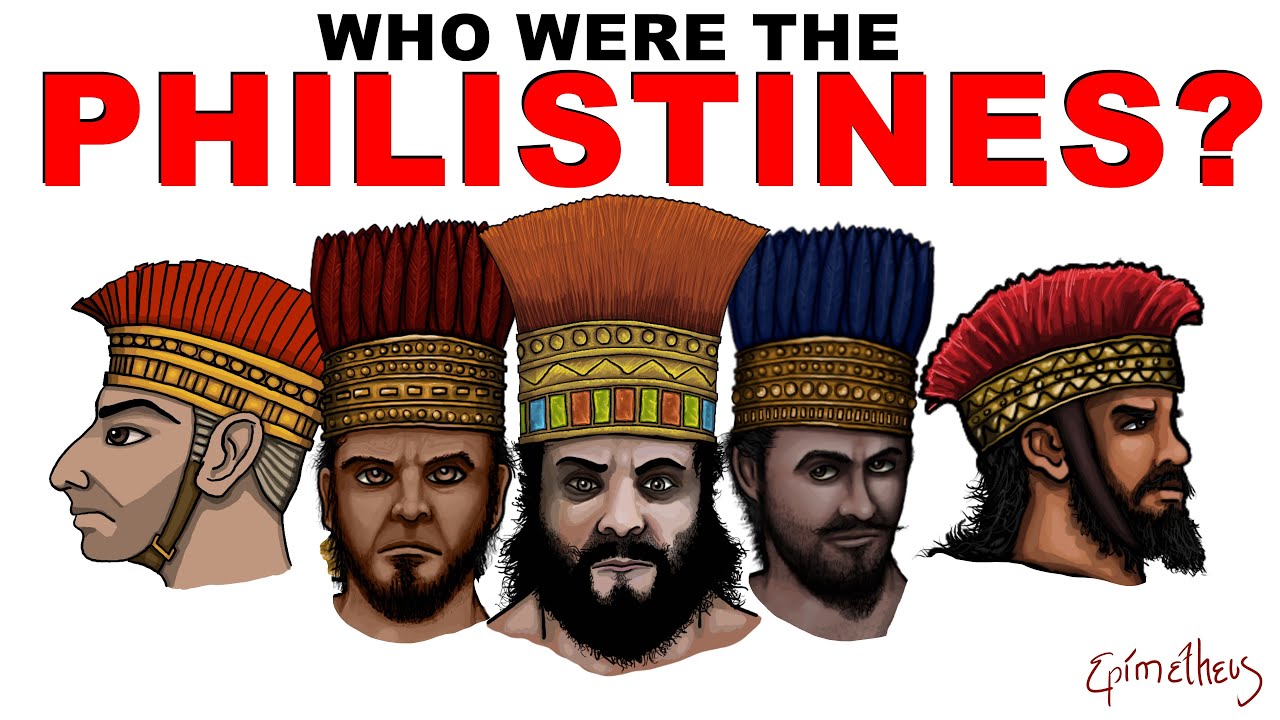
The Philistines were a group of people who settled on the southern coast of Canaan around the 12th century BCE. Their arrival is often linked to the wider movements of the Sea Peoples, a confederation of naval raiders that impacted various ancient Mediterranean societies. Unlike their neighbors, the Philistines established a distinct culture characterized by specific art styles, technology, and economic practices.
Philistine Society and Culture
Philistine society was notably structured around five city-states: Gaza, Ashkelon, Ashdod, Gath, and Ekron. Each city-state was variantly governed and influenced by local leaders, yet they shared cultural and religious attributes. The Philistines were well-known for their skilled craftsmanship, especially in pottery and metallurgy. Their artistic depictions often incorporated themes that reflected both their lifestyle and their interactions with neighboring cultures.
Religious Beliefs of the Philistines
The Philistines practiced a polytheistic religion, venerating a pantheon of gods, including the prominent deity Dagon. They believed that these deities influenced agricultural productivity and warfare. Archaeological discoveries, such as temples dedicated to Dagon, have provided insight into their rituals and values.


The Philistine Economy
The economy of the Philistines was diverse, involving agriculture, trade, and fishing. They cultivated barley, wheat, and olives, which contributed to their sustenance and economy. Additionally, they engaged in trade with other cultures, which helped shape their identity and enrich their society. Unlike some neighboring cultures, the Philistines were adept at adopting and adapting technologies from their interactions, aiding their economic growth.
Military Characteristics of the Philistines
The Philistines are often remembered for their military prowess. They utilized advanced weaponry, including iron swords and shields, giving them a significant advantage over contemporaneous armies. Their conflicts with groups like the Israelites often revealed their strategic military approaches, which included the use of chariots and infantry formations.
The Philistine-Israelite Rivalry
This rivalry is perhaps best depicted in Biblical narratives, where they are frequently portrayed as antagonists of the Israelites. Episodes like the story of David and Goliath exemplify this tension, depicting the Philistines not only as formidable foes but also as culturally rich adversaries. It’s important to recognize that these accounts may have been influenced by the cultural perspective of Israelite authors, calling for a nuanced understanding of both groups.
Philistines and Their Artistic Contributions
🎨 Art and material culture are vital for understanding the Philistine identity. They produced unique pottery designs and utilized vibrant colors that reflected both indigenous and borrowed elements from neighboring cultures. Noteworthy findings from archaeological sites, such as the Philistine pottery found at Ashdod, demonstrate their distinctive artistic styles and social practices, revealing significant influences from the Aegean and Egypt.
The Transition of Philistine Culture
The eventual decline of Philistine culture came about through various factors, including military conquests and migrations. By the time of the Babylonian conquest of Jerusalem in the 6th century BCE, the Philistine cities had largely fallen from prominence, yet their cultural elements persisted in the region.
Modern Interpretations of Philistine Legacy
Today, the term “philistine” is often used metaphorically to describe someone who is seen as lacking culture or intellectual interests. However, this usage is a distortion of the rich and complex legacy of the ancient Philistines. Understanding their history allows us to appreciate the intricate tapestry of cultures that have shaped human civilization.
Complementary Tools to Enhance the Study of Philistines
While exploring the nuances of Philistine history, several complementary tools can enhance your research experience. By integrating the following tools, you will gain a deeper insight into this ancient civilization:
- Online Databases (e.g., JSTOR or Google Scholar)
- Access to peer-reviewed articles for in-depth research.
- Comprehensive library of archaeological studies related to the Philistines.
- Ability to connect with experts through academic forums.
- Search features for specific topics within Philistine history.
- Interactive Timelines
Using interactive timelines allows you to visualize key events in Philistine history and their relations with neighboring civilizations. Tools like Tiki-Toki can help present this timeline effectively.
- Digitized Historical Maps
Explore David Rumsey Map Collection for maps illustrating Philistine territories and movements through history.
- Virtual Reality Experiences
Platforms like Oculus provide immersive experiences that replicate Philistine historical sites.
- Online Museums
Organizations such as the British Museum offer virtual collections where you can view artifacts related to the Philistines.
- Documentary Series
Consider streaming platforms that feature historical documentaries to further your understanding of the Philistine civilization.
- Academic Forums
Joining forums or engaging with platforms like Academia.edu allows for networking and exchanging ideas with scholars.
- Philistine-Themed Literature
Books and novels that address Philistine history, such as “The Philistines and Other Sea Peoples in Text and Archaeology,” offer enriched narratives and interpretations.
- Language Learning Apps
Using apps like Duolingo to learn ancient languages gives context to translations of Philistine texts.
How to Maximize Your Research on Philistines
To effectively use complementary tools alongside your study of the Philistines, consider the following strategies:
- Combine interactive timelines with databases for a cohesive understanding of significant events.
- Utilize digitized maps during literature review sessions to visualize geographic influences on Philistine culture.
- Engage with online museums while reading related academic literature to provide context with physical artifacts.
- Participate in forums to discuss insights gained from documentaries and literature about Philistine customs.
Emerging Popularity of Philistine Studies
The interest in Philistine studies is resurging, not just within academic circles, but also among the general populace. This revival is fueled by a desire to understand historical complexities that shaped modern societies. With the accessibility of online tools and resources, anyone can delve into the depths of Philistine history and explore its nuances.
The Role of Technology in Studying Philistines
Technology has played a transformative role in accessing resources related to the Philistines. Digital platforms have democratized information, allowing wider audiences to engage with historical material. With just a few clicks, learners can access a wealth of resources—from academic articles to virtual museum exhibits—making the study of Philistines more practical than ever.
Conclusion
In examining the Philistines, we uncover far more than just a chapter in ancient history. By exploring their culture, beliefs, and legacy, we gain insights not only into their lives but also into the dynamics of ancient civilizations. 🕊️ While modern interpretations might skew perceptions of who they were, a deeper understanding reveals a complex society with rich contributions to history that continue to resonate today. The integration of complementary tools enhances the journey of discovery, making the study of Philistines both enriching and accessible.
This HTML article format provides a comprehensive overview of the Philistines, while integrating SEO best practices, structured sections, complementary resources, and engaging content that aligns with reader interests.
The Philistines: Contributions and Cultural Impact
The Philistines: Contributions and Cultural Impact
Have you ever wondered about the *Philistines*, a group often shrouded in mystery and misinterpretation? 🤔 The Philistines were a significant ancient people known for their unique culture and relationships with neighboring societies. This article delves into their history, lifestyle, and contributions while exploring how complementary tools can enhance your understanding and appreciation of them.
Understanding the Origins of the Philistines
The Philistines are believed to have originated from the Aegean area, specifically linked to the Sea Peoples. Their arrival in the region of Canaan, around the 12th century BCE, marked the beginning of a fascinating cultural evolution. The archaeological evidence, such as the cities of Ashkelon, Ashdod, Ekron, and Gaza, reveals much about their lifestyle and interactions with neighboring cultures.
Archaeological Insights
Archaeological findings provide us with a glimpse into Philistine life. Their pottery, architectural styles, and burial practices indicate a blend of influences. These elements reflect not just their origins but also their adaptability in a new land. For further insights, you can explore more about ancient archaeology on Wikipedia.
The Philistine Economy: Trade and Agriculture
The Philistines thrived through a mix of agriculture and trade. They cultivated crops like wheat, barley, and grapes, leveraging the fertile land of the coastal plains. Their strategic coastal location allowed for trade with other civilizations like Egypt and Mesopotamia, which enriched their economy.
Key Economic Activities
- **Agriculture:** Major crops included wheat and barley.
- **Trade:** Engaged in significant trade with surrounding cultures, improving economic stability.
- **Craftsmanship:** Excelled in pottery and metallurgy, contributing to art and functionality.
Philistine Warfare and Military Strategies
The Philistines are often associated with warfare and conflict, particularly their battles against the Israelites. Their military strategies included advanced weaponry and chariot usage, setting them apart from many contemporary cultures. Notably, the infamous story of David and Goliath epitomizes their military role in the historical narrative.
Military Equipment
Philistine warriors were known for their distinctive shields and weapons, which included iron swords and bows. This advanced armament gave them an edge in battles. Their reliance on technology in warfare demonstrates their strategic thinking compared to other regional powers, which often used more traditional weapons.
Cultural Legacy of the Philistines
The cultural contributions of the Philistines are often overshadowed by their military reputation. Nonetheless, they played a vital role in the cultural tapestry of the ancient Near East. Their pottery styles and architecture influenced subsequent cultures. The Philistine diet, which included a diverse range of foods, also left a mark on the culinary practices of later civilizations.
Arts and Crafts
Philistine pottery is particularly notable for its distinct styles. The *Pineapple* ware, a type of decorated pottery, showcases their artistic talent. For more information on ancient art, you can check out the resources available on The Jewish Museum.
Embracing Modern Tools to Explore Philistine Culture
While the historical context of the Philistines is crucial, modern tools can enhance your exploration of their rich culture. Here are some suggested tools and resources:
Top 10 Complementary Tools to Enhance Your Philistine Research
- Virtual Museum Tours: Explore museums housing Philistine artifacts more closely.
- Online Archaeological Databases: Access detailed archaeological findings related to the Philistines.
- Documentaries and Films: Watch visual content that brings Philistine history to life.
- Interactive Map Tools: Use tools like Google Earth to visualize Philistine sites.
- Social Media Page for Ancient History: Follow discussions and updates that focus on ancient civilizations.
- Online Forums: Participate in forums dedicated to ancient history and Philistine culture.
- Historical Fiction Novels: Read novels that incorporate Philistine characters and settings for a narrative approach.
- Philistine-themed Educational Apps: Utilize apps such as *Ancient History Trivia* to increase your knowledge.
- Mobile Archaeology Games: Play games that simulate archaeological digs in historical regions.
- Blog Series on Ancient Civilizations: Regularly check blogs focused on Philistine history for updates and insights.
Breakdown of Complementary Tool 2: Online Archaeological Databases
- **Comprehensive Access:** Explore a wide range of archaeological findings related to the Philistines.
- **Educational Resources:** Find detailed analysis and historical context accompanying artifacts.
- **Research Opportunities:** Participate in research and discussions with experts in the field.
- **User-friendly Interface:** Navigate easily through collections, enhancing user engagement.
Breakdown of Complementary Tool 8: Philistine-themed Educational Apps
- **Interactive Learning:** Engage users with quizzes and explorative content related to Philistine history.
- **Gamification:** Make learning fun with game elements that enhance retention.
- **Visual Context:** Access visual aids, including maps and ancient artifact images.
- **Accessibility:** Easily download from official sources, ensuring your device remains secure.
Modern Interpretations of Philistine Culture
Modern interpretations of Philistine culture often emphasize their advanced lifestyle as artisans and traders rather than solely as warriors. Scholars and historians are increasingly recognizing their contributions to regional development and economy.
The Shift in Perception
While the Philistines have often been depicted as antagonists in biblical narratives, recent archaeological studies reveal a more nuanced view of their culture. Engaging with history through various tools reflects how perspectives can change over time.
Philistine Cuisine and Daily Life
The daily life of the Philistines was closely tied to their agricultural lifestyle. Their meals, often comprised of grains, fruits, vegetables, and fish, were influenced by their coastal geography. By examining their cuisine, we can gain insights into their culture and social practices.
Food Preparation and Social Aspects
Feasting was a common practice, often associated with religious and social gatherings. The Philistines put significant emphasis on community and shared meals, which underscores their values and social structure. Exploring culinary history can be insightful when investigating the Philistine way of life.
Philistines in Popular Culture
In modern media, Philistines are often referenced in literature, films, and art. This representation has shaped public perception and interest in their historical narrative. By using complementary tools, you can explore these influences more deeply.
Influences in Literature
Many authors have drawn from Philistine history to create compelling narratives, portraying them in various lights—often as misunderstood peoples caught in the tides of conflict.
The Philistines: A Lasting Legacy
The legacy of the Philistines encompasses not only their conflicts but also their contributions to art, trade, and cultural development in the ancient Near East. By understanding their culture through a modern lens, we can appreciate their role in shaping history.
Continued Studies and Resources
The ongoing research into Philistine history invites us to reconsider how we view ancient peoples. As new archaeological finds emerge, utilizing reliable databases and educational resources can greatly enrich your understanding. Tools and platforms provide invaluable insights into the multifaceted lives of the Philistines.
By using tools like Britannica to explore Philistine themes in-depth alongside your studies, you’ll gain a richer and more nuanced understanding of this historically significant culture.
What’s fascinating is that by pairing the history of the Philistines with modern interpretations, you can create a comprehensive narrative that transcends simple historical facts. The Philistines, while often seen through a critical lens, had a vibrant culture with lasting impacts that continue to resonate today.
The Modern Interpretation of Philistine Identity
Throughout history, the term “Philistines” has evolved significantly, often overshadowed by its biblical connotations and cultural interpretations. Today, it bears a complex identity—a reflection of ancient societies interwoven with modern implications. 🌍 The Philistines, once a formidable group inhabiting the coastal region of Canaan, have given rise to a myriad of interpretations that transcend mere historical labels.
A Brief Historical Background
Originating around the 12th century BCE, the Philistines settled in the area known today as the Gaza Strip and parts of modern Israel. As part of the ancient Sea Peoples, they brought with them distinct cultural practices, advancements in warfare, and a unique blend of artistic expressions, setting them apart in the narrative of ancient civilizations.
Cultural and Religious Significance
Understanding the cultural and religious landscape of the Philistines is vital. They were known for their interactions with the Israelites, often positioned as rivals in biblical scriptures. However, the Philistines were not merely adversaries; they were rich in culture and innovation, contributing notably to the region’s advancements in metallurgy and pottery. This highlights an often-overlooked dimension of Philistine identity—as innovators and contributors to societal progress.
Philistine Legacy in Modern Culture
Modern interpretations of the Philistines often venture into the realm of pop culture, where the association with cultural ignorance emerges. Yet, this oversimplification does a disservice to the Philistine legacy. Today, the word “Philistine” can evoke images of cultural stagnation, but understanding the true history reveals a more nuanced narrative.
Impact on Arts and Literature
The Philistine influence extends to art and literature, often serving as a reference point for discussions about civilization’s evolution. Authors and artists alike have revisited Philistine themes, portraying them in various contexts—from social commentary to philosophical inquiries about knowledge and ignorance. For instance, the contrast between Philistine and Hellenistic ideologies has sparked debates about cultural appreciation versus appropriation.
Lessons from the Philistines
There are invaluable lessons we can draw from studying the Philistines—a society caught in the tension between progress and tradition. Their story encourages contemporary audiences to reflect on how cultures can evolve without losing their identity.
Adaptation and Resilience
One key takeaway is the Philistine’s remarkable adaptability. Despite facing numerous conquests and cultural shifts, they preserved their distinctiveness. This resilience can inspire modern individuals and societies to adapt to change while honoring their roots and values.
Modern Applications of Philistine Lessons
Applying the lessons from Philistine history can be beneficial in today’s rapidly changing world. Strategies for embracing diversity and fostering innovation can draw from their example, emphasizing the significance of cultural interchange.
How Philistines Compare to Contemporary Cultures
In drawing comparisons, one must consider how Philistine society’s values contrast with contemporary cultures. Unlike today’s societies that often prioritize technological advancement above cultural heritage, the Philistines balanced innovation with the preservation of their traditions—an approach that modern cultures can learn from.
Integration of Tradition with Innovation
The essence of Philistine culture lies in their ability to harness technological advancements while maintaining their unique practices. For example, their advancements in agriculture and trade illustrate an ideal marriage between tradition and progress. Similarly, integrating modern technologies with traditional practices can lead to enriched cultural experiences.
Exploring Philistine Contributions
The contributions of the Philistines to the ancient world have not been limited to mere warfare. Their influence extended into various domains, enriching the fabric of society.
Technological Advancements
Philistine mastery in ironwork transformed weaponry and agriculture, providing a crucial advantage over adversaries. Their embrace of new technologies allowed for better tools and implements, which laid the groundwork for agricultural surpluses and trade. This is a vital point to recognize—it was not just aggression that defined them, but also a dedication to progress.
Complementary Tools for Understanding Philistines
To dive deeper into the history and implications of the Philistines, several complementary tools can amplify understanding and appreciation of this fascinating people. Here are some ideas on how to utilize these tools effectively:
- Wikipedia – Explore comprehensive articles for a foundational understanding of Philistines.
- History.com – Utilize their historical timelines for context on Philistine society.
- Encyclopaedia Britannica – Gain in-depth insights into cultural aspects through scholarly resources.
- Ancient History Encyclopedia – Discover articles that provide expert interpretations and narratives about the Philistines.
- Goodreads – Find recommended readings that explore Philistine themes in literature and history.
1. Using Online Academic Resources
Online academic databases like JSTOR allow researchers and enthusiasts to access scholarly papers, offering insights into archaeological findings and sociocultural studies of the Philistines. This data can enhance understanding significantly.
2. Documentaries and Educational Videos
- Engaging Visual Learning: Platforms like YouTube have numerous documentaries that visually depict the life of the Philistines, making the historical context more accessible and engaging.
- Visual Evidence: Documentaries often include visuals from archaeological digs, providing concrete evidence of Philistine existence and culture.
- Expert Interviews: Many of these resources feature interviews with historians and archaeologists, offering expert insights that enrich understanding.
- Community Learning: Watching together fosters discussion, enabling better grasp and shared perspectives on Philistine identity.
3. Engaging with Local Museums
Visiting museums that feature exhibitions on the ancient Near East can provide tangible connections to the Philistines. Engaging with artifacts allows visitors to immerse themselves in history.
4. Interactive Learning Through Workshops
Participating in workshops or seminars that discuss ancient civilizations can further enhance understanding. Knowledge sharing at these events can lead to greater insights.
5. Collaborating in Online Forums
Joining online history forums or groups dedicated to ancient cultures can facilitate discussions that inspire new perspectives on the Philistines. Connection with like-minded individuals can spark curiosity and deepen understanding.
Closing Thoughts
The journey through the complexities of the Philistines reveals far more than mere historical facts. Through strategic use of complementary tools and resources, we can appreciate their contributions, resilience, and the lessons they impart for modern society. Embracing this multifaceted identity enriches our understanding of cultural evolution and can guide contemporary practices across various domains.
