St. Peter’s Basilica: 7 Fascinating Facts You Must Know
St. Peter’s Basilica: A Marvel of Renaissance Architecture
Have you ever stood in awe of a masterpiece that captures the essence of an entire era? St. Peter’s Basilica, located in the heart of Vatican City, is just that. 🌟 This stunning church is not only a major pilgrimage site but also a prominent example of Renaissance architecture. In this article, we will explore its history, architectural features, cultural significance, and how you can enhance your visit with complementary tools and services.
A Brief History of St. Peter’s Basilica
Construction of St. Peter’s Basilica began in 1506 under Pope Julius II and was completed in 1626. Designed primarily by renowned architects like Donato Bramante, Michelangelo, and Carlo Maderno, its foundation is built upon the site believed to be the burial place of Saint Peter, one of Jesus Christ’s apostles.
The basilica has undergone several renovations and expansions, reflecting various architectural styles over the centuries. Its iconic dome, designed by Michelangelo, remains one of the largest in the world and a defining feature of the Vatican skyline.
Architectural Features That Define Its Grandeur
St. Peter’s Basilica combines architectural elements from various styles, most notably Renaissance and Baroque. Here are some key features:


The Dome
Standing at 136 meters (448 feet), Michelangelo’s dome is a striking visual element. Visitors can climb to the dome’s summit for breathtaking panoramic views of Rome and the Vatican City.
The Facade
The grand facade, with its towering columns and statues of saints, welcomes millions of visitors each year. The harmonious proportions of the structure reflect the principles of Renaissance architecture.
The Interior
Step inside, and you’ll be enveloped in a world of artistic treasures. From Bernini’s Baldachin over the high altar to stunning mosaics and sculptures, every corner of St. Peter’s Basilica tells a story. It’s an experience unlike any other.
Why St. Peter’s Basilica Stands Out
Unlike other cathedrals globally, St. Peter’s Basilica is not just a place of worship but also a cultural and artistic landmark. Compared to other significant religious buildings, such as the Notre-Dame Cathedral in Paris or the Sagrada Família in Barcelona, it holds a unique position in the Catholic Church and in the hearts of believers. St. Peter’s Basilica serves as a spiritual home for Pope, the leader of the worldwide Catholic Church.
Enhancing Your Visit: 10 Complementary Tools and Services
Visiting St. Peter’s Basilica is a monumental experience in itself; however, combining it with complementary tools can greatly enhance your understanding and enjoyment. Here are some ideas:
1. Audio Guides
Using an audio guide allows you to explore the basilica at your own pace while deepening your knowledge about its art and history. You can find quality audio guides available for download on platforms like Audible.
2. Virtual Reality Apps
Virtual reality apps can provide an immersive experience of St. Peter’s Basilica, allowing users to explore its magnificent interiors from the comfort of their homes. Some recommended features include:
- 360-Degree Views: Experience different angles of the interior and exterior.
- Guided Tours: Follow along with historical narratives guiding you through key features.
- In-depth Information: Access facts and stories about particular artworks and architectural elements.
- Accessibility: A great option for those unable to travel physically to the site.
For more information on VR apps, visit official sites like VRBO.
3. Scheduled Tours
Booking guided tours ensures that you don’t miss important details and insights about the basilica. These can be arranged through various reputable providers that specialize in Vatican tours.
4. Photography Tools
Use high-quality cameras and lenses to capture the beauty of the basilica. In this respect, having a wide-angle lens can help you photograph the vast interior spaces.
5. Detailed Maps
Printing out or downloading detailed maps of the basilica can help navigate its expansive layout, ensuring you explore every corner without feeling overwhelmed.
6. Local Cuisine Guides
Enhance your trip by learning about nearby dining options. A local food guide app can provide recommendations for authentic Italian cuisine that will allow you to savor the culinary delights of Rome.
7. Historical Documentaries
Watching documentaries about St. Peter’s Basilica before your visit can provide valuable context and enhance your appreciation of its rich history. Check platforms like Netflix for potential viewing options.
8. Social Media Platforms
Connecting with other visitors through social media can enhance your experience by sharing tips and photos. Platforms like Instagram often feature stunning images and stories about personal visits to St. Peter’s Basilica.
- Engagement: Connect with fellow travelers and share experiences.
- Inspiration: Discover unique angles and perspectives from others’ visits.
- Real-time Updates: Receive updates on events or special masses happening in the basilica.
- Hashtags: Use hashtags like #StPetersBasilica to join the community.
9. Mobile Apps for Tickets
Many mobile apps can assist with purchasing tickets in advance, saving you time and ensuring a smoother experience at St. Peter’s Basilica.
10. Academic Resources
Utilize scholarly articles and resources to deepen your understanding of the basilica’s architectural and cultural significance. Websites like JSTOR offer access to scholarly articles covering various aspects of St. Peter’s Basilica.
The Spiritual Experience of St. Peter’s Basilica
Beyond its famed architecture and art, St. Peter’s Basilica is a spiritual landmark. Every year, millions visit for religious services, including Easter Mass and Papal ceremonies. The atmosphere within the basilica often inspires reflection and spiritual renewal.
Visitor Information and Tips
If you’re planning to visit St. Peter’s Basilica, consider these helpful tips:
- Dress Code: Ensure you wear appropriate attire—cover your shoulders and knees as a sign of respect.
- Timing: Early morning visits tend to be less crowded, allowing for a more intimate experience.
- Entrance Fees: While entry to the basilica is free, a small fee applies for climbing to the dome.
- Security Checks: Be prepared for security checks as they are strictly enforced.
St. Peter’s Basilica: A Legacy Beyond Compare
St. Peter’s Basilica is more than just a stunning architectural achievement; it’s a culmination of centuries of faith, art, and history. Compared to other historical sites, its combination of spiritual significance and artistic genius truly sets it apart. If you’re fortunate enough to visit, consider enhancing your experience by utilizing various complementary tools and resources that amplify what St. Peter’s Basilica represents.
As you plan your visit, keep in mind that every corner of the basilica has a tale to tell—a testament to the power of faith and artistry intertwined through generations.
The History Behind St. Peter’s Basilica
St. Peter’s Basilica, an architectural marvel 🌟, stands as a testament to centuries of faith, artistry, and history. The current structure was built in the 16th century, but its roots trace back to an earlier period marked by the martyrdom of St. Peter.
Initially, a small shrine was erected where the apostle Peter is believed to have been buried. The original basilica, known as Old St. Peter’s Basilica, was commissioned by Emperor Constantine I in AD 326. However, by the Renaissance, it became clear that this ancient structure no longer met the needs of the burgeoning Christian community.
In 1506, Pope Julius II laid the first stone of the new St. Peter’s Basilica, commissioning an array of prominent artists, including Michelangelo, Bramante, and Bernini. Each contributed their unique vision to the basilica, culminating in a masterpiece that attracts millions of visitors every year.
Unlike many historic sites, St. Peter’s Basilica not only serves as a church but also as a significant pilgrimage destination for Catholics worldwide. Its grandeur is unmatched, combining spirituality with artistic excellence.
Architectural Wonders of St. Peter’s Basilica
The architectural design of St. Peter’s Basilica showcases a blend of renaissance and baroque styles. One of its most fascinating features is its dome, designed by the legendary Michelangelo. Standing at 136.57 meters (448.1 ft), it is one of the tallest domes in the world.
The interior of the basilica is equally impressive. The use of mosaics, marble, and sculptures creates an atmosphere of divine grandeur. Among these artistic elements, the Bernini’s Baldachin stands out, a stunning canopy made of bronze that marks the site of St. Peter’s tomb.
When comparing St. Peter’s Basilica with other monumental churches, like the Notre-Dame de Paris or the Sagrada Familia, one can see that St. Peter’s not only dominates in size but also in its emotional and spiritual significance.
Visitor Experience at St. Peter’s Basilica
Visiting St. Peter’s Basilica is a unique experience. With millions of pilgrims and tourists flocking to the site, it’s essential to plan your visit to make the most of it. Here are some tips:
- Buy Tickets in Advance: Avoid long lines by purchasing tickets online.
- Guided Tours: Consider a guided tour to deepen your understanding of the basilica’s history and artistry.
- Dress Code: Ensure to dress appropriately, as it is a holy site. Shoulders and knees should be covered.
- Climb to the Dome: For breathtaking views of Vatican City, take the climb to the dome’s viewing platform.
By organizing your visit with these elements in mind, you can enhance your experience at St. Peter’s Basilica. Explore further by using apps like Rome Museum to navigate and learn about the historical context firsthand.
Complementary Tools for an Enhanced Visit
Using various complementary tools can significantly enhance your experience at St. Peter’s Basilica. Below are 10 ideas on how to make the most of your visit:
- Use a Virtual Tour App.
- Download a Language Translation App.
- Check out Interactive Maps for Vatican City.
- Utilize a History Podcast Series.
- Engage with Online Community Forums.
- Plan with a Travel Guide App.
- Explore Augmented Reality (AR) Apps.
- Leverage Mobile Payment Apps for Donations.
- Access Educational Videos on YouTube.
- Join a Social Media Group for Live Updates.
2. Download a Language Translation App
Using a language translation app can enhance your communication when you’re in a multilingual setting like St. Peter’s Basilica. Here are the key features:
- Real-time Translation: Speak and translate instantly, which is useful when communicating with locals.
- Text Recognition: Snap pictures of signs and symbols, and translate them directly.
- Phrasebook Feature: Quick access to critical phrases can make your visit smoother.
- Offline Mode: Download languages to use when Wi-Fi isn’t available.
8. Leverage Mobile Payment Apps for Donations
With mobile payment apps, you can easily contribute to the basilica’s maintenance and charity efforts during your visit. Consider these benefits:
- Convenience: Make donations quickly without needing cash.
- Track Your Contributions: Keep a record of your donations for personal budgeting.
- Direct Support: Ensure funds go directly to the basilica’s upkeep and charitable works.
- Security: Mobile transactions are typically secure, reducing the risk of theft.
Artistic Treasures Inside St. Peter’s Basilica
Inside St. Peter’s Basilica, the artistic treasures are vast and varied. From intricate mosaics to remarkable sculptures, every detail contributes to the architectural tapestry. Some highlights include:
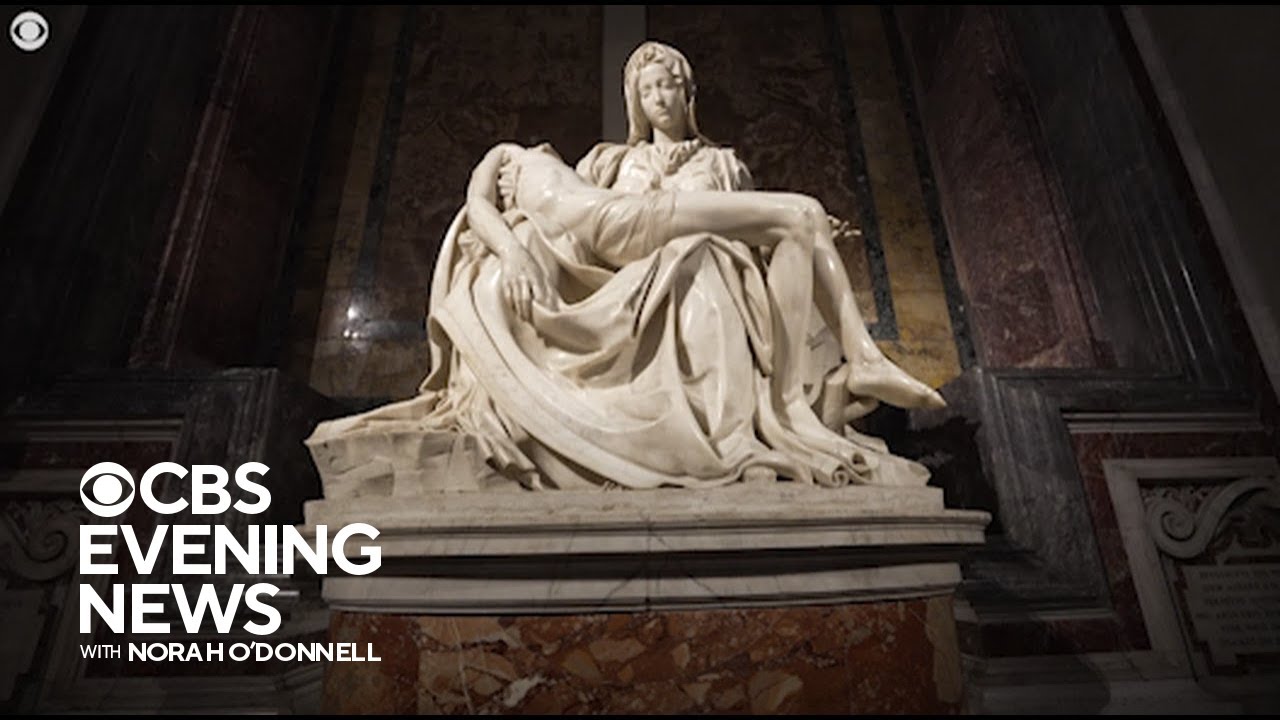
- Michelangelo’s Pietà: A stunning marble sculpture, showcasing Mary holding the body of Jesus. Always a poignant sight, it evokes deep emotional responses from visitors.
- St. Peter’s Statue: A bronze statue of St. Peter, located at the entrance, which has become a tradition for visitors to touch his foot for good luck.
- Frescoes on the Dome: Adorned with biblical scenes, the frescoes are a visual narrative depicting ongoing divine stories.
Each piece of art tells stories of faith and history, contributing to St. Peter’s Basilica’s significance in the Christian world. By appreciating these works, visitors can deepen their spiritual reflection and historical understanding.
Ecclesiastical Role of St. Peter’s Basilica
St. Peter’s Basilica plays a crucial role within the Catholic Church as a center for ecclesiastical events. Not only does it host regular masses, but it is also the site for significant ceremonies and canonizations. This provides visitors with a rich opportunity to witness the Church’s traditions in action.
For example, attending a papal mass at the basilica is an experience many cherish. Unlike regular visits, this adds a profound spiritual significance to one’s experience. It is recommended to check the Vatican’s official calendar to see upcoming events. For those planning to attend, you can visit their official site to see schedules and learn more about the papacy’s ongoing missions.
Planning Your Visit: Practical Information
When preparing for a visit to St. Peter’s Basilica, understanding practical details can enhance the experience. Here are some essential tips:
- Opening Hours: The basilica typically opens at 7:00 AM and closes at 7:00 PM but check for seasonal changes in hours.
- Entry Fees: Admission is free, but fees apply for climbing the dome or entering certain special exhibitions.
- Accessibility: The basilica is wheelchair accessible, ensuring everyone can enjoy its beauty.
- Security Checks: Expect to go through security upon entrance, which includes bag checks and metal detectors.
By being aware of these details, you can ensure a smooth and enriching visit. Also, consider bringing a guidebook or using an app like Audible for audio descriptions of the basilica’s history and art.
Conclusion
St. Peter’s Basilica stands not only as an architectural triumph but also as a deeply spiritual site, resonating with visitors from around the globe. Its rich history, artistic treasures, and ecclesiastical significance make it an essential destination for anyone interested in the intersections of faith, art, and history. By utilizing complementary tools and preparing adequately, visitors can fully immerse themselves in the experience of this sacred space, returning home enriched by its grandeur and impact.
Visiting St. Peter’s Basilica: Tips and Highlights
Exploring St. Peter’s Basilica: A Cultural and Architectural Marvel in Vatican City
Imagine standing in a grand cathedral that embodies centuries of history, architecture, and spiritual significance. 🌟 St. Peter’s Basilica, located in Vatican City, is not just a church; it is an icon of the Catholic faith and a masterpiece of Renaissance art. Let’s delve into the intricate details of this magnificent structure and discover its wonders.
Overview of St. Peter’s Basilica
St. Peter’s Basilica, one of the largest and most renowned churches globally, attracts millions of visitors each year. Its architectural grandeur, featuring works from Michelangelo and Bernini, showcases the beauty of Renaissance design. But what makes this basilica truly special?
The Design and Architecture
The basilica’s design is attributed to several architects, most notably Michelangelo, who designed the iconic dome. The dome stands at approximately 136.57 meters (448.1 feet) high, symbolizing the heavens above. Its features make St. Peter’s Basilica unparalleled in brilliance:
- Crossing Dome: The dome is not only a structural feature but a stunning visual element, drawing visitors’ gazes upward.
- Facade: The facade is a testament to Baroque artistry, combining harmony and grandeur.
- Interior: The interior is adorned with exquisite mosaics, statues, and artworks, each telling the story of the Catholic Church’s history.
The Spiritual Significance
St. Peter’s Basilica is built over the believed burial site of Saint Peter, one of Jesus’s apostles and the first Pope. This profound connection adds to its spiritual significance. Each year, the basilica hosts major events that attract believers and tourists alike:
- Papal Masses: Attending a Papal Mass at St. Peter’s Basilica is a pivotal experience for many, highlighting its role in the Catholic faith.
- Special Events: From Easter celebrations to canonizations, the basilica serves as a focal point for significant events in the Catholic Church.
A Historical Perspective
The history of St. Peter’s Basilica dates back to the early Christian period when the original structure was commissioned by Emperor Constantine in the 4th century. Over the centuries, it has undergone numerous renovations and expansions. Here are some key milestones in its historical journey:
- Constantine Era: The first basilica was built on the site, which lasted until the Renaissance period.
- Renaissance Construction: Between 1506 and 1626, the current basilica was constructed, resulting in the magnificent structure we see today.
- Destruction and Reconstruction: The building has faced issues from enemies and natural disasters, prompting renovations in various periods.
Visiting St. Peter’s Basilica: Practical Tips
Planning your visit to St. Peter’s Basilica can enhance your experience immensely. Here are some essential tips to consider:
- Ticketing: It is advisable to book tickets online to avoid long queues, especially during peak seasons.
- Dress Code: Visitors are required to dress modestly. Ensure your shoulders and knees are covered to gain entry.
- Guided Tours: Consider booking a guided tour to gain deeper insights into the art and architecture. Explore options through [Vatican Tours](https://www.vatican.tours/).
Exploring the Interiors
The interior of St. Peter’s Basilica is breathtaking. Highlights include:
- Bernini’s Baldachin: A stunning canopy above the papal altar, illustrating Baroque architecture at its finest.
- The Pietà: Sculpted by Michelangelo, this statue embodies the heart-wrenching moment of Mary holding Jesus after the crucifixion.
- The Tomb of Saint Peter: A pilgrimage point for many, this area marks the resting place of the apostle.
Complementary Tools to Enhance Your Experience
To fully appreciate St. Peter’s Basilica, consider using several complementary tools and resources. Here are some practical ideas for enhancing your visit:
- Audio Guides: Rent an audio guide on-site or through an app to explore the basilica at your own pace. For instance, you can download the [Vatican Museums App](https://www.museivaticani.va/) to enhance your understanding.
- Photography Tools: Use photography apps like [Lightroom](https://www.adobe.com/products/photoshop-lightroom.html) for editing stunning photos of the basilica, capturing its intricate details.
- Intuitive editing tools to adjust exposure and colors.
- Features for selective editing to highlight architectural details.
- Integration with cloud services for easy access.
- Mobile and desktop versions available, ensuring flexibility.
- Local Guides: Hiring a local guide helps navigate the rich history and context of the basilica’s art.
- Language Apps: Use apps like [Google Translate](https://translate.google.com/) for seamless communication with local staff.
- Travel Blogs: Read firsthand accounts on travel blogs for tips on unique features and hidden spots within the basilica.
- Area Maps: Studies maps of Vatican City to plan a fruitful visit that includes nearby attractions such as the Vatican Museums and Sistine Chapel.
- Social Media Posts: Explore hashtags related to St. Peter’s Basilica to discover tips from previous visitors on Instagram or Twitter.
- Walking Tours: Combine your visit with a walking tour of Vatican City to take in the surrounding architecture and culture. Companies like [Context Travel](https://www.contexttravel.com/) offer curated walking tours.
- Virtual Tours: Use platforms like [Google Arts & Culture](https://artsandculture.google.com/) to explore St. Peter’s Basilica from the comfort of your home before or after your visit.
Planning Your Stay Near St. Peter’s Basilica
Choosing the right accommodation can set the tone for your entire visit. Here are some suggested neighborhoods that offer easy access to St. Peter’s Basilica:
- Vatican City: Staying in the Vatican means you’re just a stone’s throw away from the basilica.
- Trastevere: Known for its charming streets and local eateries, Trastevere offers a vibrant atmosphere.
- Prati: A district close to the Vatican, featuring plenty of shopping and dining options.
Cultural and Historical Events at St. Peter’s Basilica
Throughout the year, the basilica hosts various cultural and religious events. Here are some notable happenings to check for:
- Christmas Mass: A significant event featuring a midnight Mass led by the Pope.
- Easter Celebrations: Easter Vigil and Sunday Mass attract thousands each year.
- Papal Audiences: Regular audiences provide an extraordinary opportunity to see the Pope.
The Lasting Impression of St. Peter’s Basilica
Visiting St. Peter’s Basilica is a deeply enriching experience, from its architectural beauty to the spiritual resonance it carries. 💖 The basilica stands as a testament not just to faith, but to human creativity and perseverance. By using complementary tools to enhance your visit, such as guided tours and photography apps, you can maximize your experience at this world-famous site.
So, what are you waiting for? Plan your visit and immerse yourself in the captivating history and sacred atmosphere of St. Peter’s Basilica! But that’s not all; continue exploring the surrounding Vatican City for an unforgettable journey through one of the most important locations in the Catholic faith.
