Mirna: 7 key facts you must know in 2025
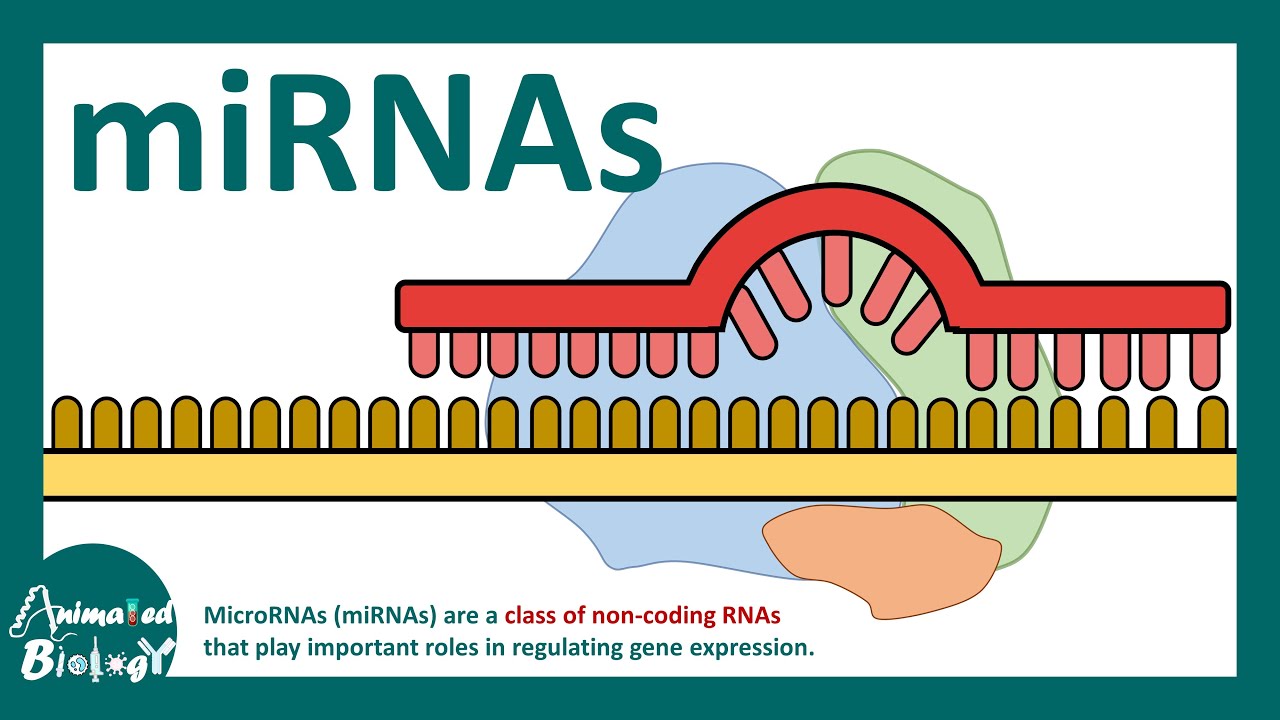
Understanding miRNA: A Key Player in Gene Regulation
MicroRNA (miRNA) are small, non-coding RNA molecules that play a critical role in the regulation of gene expression. They can impact various biological processes by binding to complementary sequences on target messenger RNA (mRNA) transcripts, leading to mRNA degradation or inhibition of protein translation. 🌱 By understanding how miRNA functions, researchers can unlock new insights into cellular mechanisms and potential therapeutic interventions.
What is miRNA?
miRNA are typically 20 to 24 nucleotides in length and are processed from longer RNA precursors. They are involved in crucial cellular processes, including proliferation, differentiation, and apoptosis. The discovery and characterization of miRNA have revolutionized molecular biology, highlighting how subtle changes at the RNA level can lead to significant variations in gene expression.
The Biogenesis of miRNA
miRNA is generated through a multi-step process. Initially, primary miRNA (pri-miRNA) is transcribed from DNA, which is then processed into precursor miRNA (pre-miRNA) by the Drosha enzyme. This pre-miRNA is exported to the cytoplasm, where it is further cleaved by the Dicer enzyme to form mature miRNA. These mature miRNA can then incorporate into the RNA-induced silencing complex (RISC), enabling them to regulate target mRNAs effectively.
Key Functions of miRNA
miRNA are pivotal in modulating gene expression and have numerous functions, including:


- Regulating Development: miRNA plays essential roles in embryonic development and cellular differentiation.
- Influencing Disease Pathogenesis: Dysregulation of miRNA can lead to various diseases, including cancer and cardiovascular diseases.
- Immune Response: miRNA are integral to the immune system, regulating responses to pathogens and inflammation.
- Metabolic Regulation: They are involved in controlling metabolic pathways, impacting energy homeostasis.
Advantages of Using miRNA in Research
The potential applications of miRNA in research and clinical settings are vast and diverse. Here are some significant advantages:
- Versatility: miRNA can regulate multiple target genes, allowing researchers to explore various pathways simultaneously.
- Potential Biomarkers: Specific miRNA profiles can serve as biomarkers for diseases, aiding in diagnosis and prognosis.
- Therapeutic Targets: miRNA-based therapies can be developed to target diseases by restoring normal gene expression patterns.
- Ease of Study: The relatively small size of miRNA facilitates their manipulation and study in laboratory settings.
Complementary Tools to Enhance miRNA Research
To maximize the benefits of miRNA, researchers can leverage various complementary tools. Here are some effective tools that can enhance the application of miRNA:
1. Bioinformatics Software
Using dedicated bioinformatics software can help researchers analyze and predict miRNA targets. Tools like TargetScan provide insights into potential miRNA-mRNA interactions, facilitating deeper understanding of regulatory pathways.
2. miRNA Profiling Services
Companies like Thermo Fisher Scientific offer miRNA profiling services that can help in quantifying and identifying miRNA in different samples. Benefits include:
- High-throughput sequencing capabilities for comprehensive profiling.
- Customizable workflows tailored to specific research needs.
- Access to advanced analytical tools for data interpretation.
- Expert support to guide experimental design and data analysis.
3. RNA Isolation Kits
Effective studies require high-quality RNA, and using RNA isolation kits from reputable brands like Qiagen ensures the integrity of RNA during isolation.
4. qPCR Systems
Quantitative PCR systems are vital for analyzing miRNA expression levels. Tools such as Bio-Rad’s qPCR instruments are reliable for accurate quantification.
5. CRISPR/Cas9 Technology
Utilizing CRISPR/Cas9 allows precise editing of genes associated with specific miRNA, opening new pathways for research on gene regulation and therapy.
6. Gene Expression Analysis Tools
Tools like Illumina’s NGS platforms allow researchers to conduct gene expression analyses alongside miRNA studies, providing a more holistic view of gene regulation.
7. Data Visualization Software
Software such as GraphPad Prism can help in visualizing complex data, making it easier to interpret the impacts of miRNA on gene expression.
8. Experimental Protocols
Having access to curated experimental protocols, such as those provided by Protocols.io, enables researchers to follow established methods easily. Benefits include:
- A wealth of user-generated protocols that are peer-reviewed.
- Ease of sharing and collaboration with the research community.
- Updated methodologies that reflect the latest advancements.
- Structured templates that streamline experimental design.
9. Collaborations with Research Institutions
Partnering with institutions that specialize in molecular biology and miRNA research can provide invaluable insights. Collaboration may yield access to cutting-edge technologies and expertise.
10. Online Courses and Workshops
Participating in courses about miRNA, such as those offered by Coursera, can enhance skills and deepen understanding of current miRNA studies and applications.
Segmentation and Personalization with miRNA
Understanding how to segment your audience effectively when utilizing miRNA research can significantly affect your results. Personalized content and experiences tailored to specific audience segments can lead to enhanced engagement and satisfaction. For example:
- A research study could analyze different miRNA expressions in various cancer types, leading to potential personalized therapies for each type.
- By adapting miRNA studies for groups based on genetic differences, researchers can deliver tailored treatment approaches to patients.
Future Perspectives on miRNA Research
The future of miRNA research is promising, with ongoing studies aiming to unlock even more of its potential. Innovations in delivery systems for miRNA-based therapies and increasing understanding of their role in various diseases could lead to significant advancements in personalized medicine.
Conclusion: The Essential Role of miRNA
miRNA represents a crucial aspect of gene regulation with extensive implications in health and disease. By leveraging complementary tools and technologies, researchers can enhance their understanding and application of miRNA, paving the way for innovative solutions in clinical and therapeutic settings. Whether through bioinformatics software, profiling services, or powerful visualization tools, integrating these resources with miRNA studies will drive future discoveries and personalized approaches in biotechnology.
The Biogenesis of miRNA
MicroRNAs (miRNAs) are small, non-coding RNA molecules that play a critical role in regulating gene expression. 🌱 Understanding their birth and lifecycle is essential for leveraging their potential in therapeutic applications and research. MiRNAs begin their journey in the nucleus as primary transcripts known as pri-miRNAs. These long strands undergo processing by the enzyme Drosha, yielding shorter hairpin-shaped precursors called pre-miRNAs.
After their export to the cytoplasm through the action of the Exportin 5 pathway, pre-miRNAs are further processed by another enzyme called Dicer. This generates a double-stranded miRNA, which eventually unwinds to produce a single-stranded mature miRNA. This final product is then incorporated into the RNA-induced silencing complex (RISC), where it exerts its regulatory effects by binding to complementary sequences on target mRNAs, leading to degradation or inhibition of translation.
Function and Importance of miRNA
So why are miRNAs so important? They regulate approximately 30% of all human protein-coding genes, thus playing a vital role in numerous biological processes, including development, differentiation, and metabolism. Their involvement in various diseases, including cancer and heart disease, signals their potential as therapeutic targets and biomarkers. By regulating gene expression, miRNAs can alter cellular responses and help in processes such as cell growth, apoptosis, and immune responses, highlighting their versatility.
The Role of miRNA in Disease
MiRNAs are increasingly recognized for their involvement in pathophysiological conditions. For instance, in cancer, certain miRNAs can act as oncogenes or tumor suppressors. They can modulate cellular pathways that promote tumor growth and metastasis. By understanding the specific miRNA profiles in various cancers, researchers are exploring targeted therapies that utilize miRNAs in treatment regimens.
Moreover, the presence of specific miRNA profiles in tumor tissues suggests that they can serve as biomarkers for early detection, diagnosis, and prognosis. For example, elevated levels of miR-21 are often associated with various cancers, indicating its potential use as a diagnostic tool or as a target for therapy. By leveraging these insights, healthcare providers can tailor treatment plans that enhance patient outcomes.
Utilizing miRNA in Research
In research, miRNA is being harnessed to explore new therapeutic avenues. Scientists apply various techniques to manipulate miRNA expression in experimental models, allowing them to discern the functional roles of specific miRNAs in cellular processes. This understanding can lead to promising innovations in regenerative medicine, cancer therapy, and custom drug development.
Key Techniques Involving miRNA
- miRNA mimics are used to enhance the expression of specific miRNAs in cells. This can help researchers analyze the downstream effects of those miRNAs and their role in cellular pathways.
- miRNA inhibitors, or anti-miRs, are employed to block specific miRNAs, enabling the observation of changes in gene expression and cellular behavior when those miRNAs are silenced.
- qRT-PCR (quantitative reverse transcription PCR) is a frequent method for quantifying miRNA levels in biological samples, providing insights into their expression patterns across different conditions.
- Next-generation sequencing (NGS) technology allows for the comprehensive profiling of miRNAs in various tissues, enhancing understanding of the roles they play in diseases.
Complementary Tools to Enhance miRNA Research
To maximize the benefits of studying and utilizing miRNAs, integrating complementary tools can be advantageous. Here are some practical ideas to incorporate along with miRNA research:
- Bioinformatics Tools: Leverage platforms that specialize in miRNA target prediction. These can help in understanding the potential targets of a given miRNA.
- RNA Sequencing: Combining miRNA studies with RNA sequencing allows a comprehensive understanding of the transcriptome landscape, key for validating miRNA targets.
- Gene Editing Tools: Use CRISPR/Cas9 gene editing alongside miRNA studies to create targeted knockouts, which can illustrate the functions of specific miRNAs.
- Cell Culture Systems: Utilizing sophisticated cell culture systems can provide insights into the real-time effects of miRNAs in a controlled environment.
- Protein Analysis Tools: Employ mass spectrometry to analyze signaling pathways altered by specific miRNAs, revealing downstream effects on protein expression.
- Clinical Databases: Utilize databases like cBioPortal for Cancer Genomics to relate miRNA expression profiles to clinical outcomes.
- High-Throughput Screening: Implement high-throughput technologies to screen libraries of compounds affecting miRNA pathways, accelerating drug discovery processes.
- Data Analysis Software: Utilize platforms such as R for statistical analysis of miRNA expression data to derive meaningful insights from experiments.
- Network Analysis Tools: Utilize software to understand miRNA-gene regulatory networks, linking them to biological functions and disease mechanisms.
This Works Well With miRNA
For example, RNA sequencing not only assists in identifying novel miRNAs but also provides a detailed profile of gene expression changes upon miRNA modulation. This combination allows for a multi-dimensional understanding of the gene regulatory landscape.
- High-throughput capacity: Process numerous samples simultaneously, leading to time-efficient research.
- Comprehensive results: Analyze both coding and non-coding RNA, offering insights into the broader transcriptional landscape.
- Identifies novel miRNAs: Enhance the discovery of previously uncharacterized miRNAs, enriching the existing knowledge pool.
- Cost-effective: Increase cost efficiency in large-scale studies, a significant factor in biomedical research.
Another Powerful Combination
Using Bioinformatics tools can significantly enhance your miRNA studies. Platforms such as the TargetScan provide predictive insights into miRNA targets, allowing researchers to make informed hypotheses about miRNA functions.
- User-friendly interface: Simplifies the complex data analysis process, making it accessible even to those new to bioinformatics.
- Target prediction: Offers reliable predictions of the genes regulated by specific miRNAs, guiding experimental approaches.
- Incorporates evolutionary conservation data: Helps prioritize target genes based on evolutionary significance.
- Integration potential: Easily integrates with other research tools, streamlining workflow and enhancing overall efficiency.
Challenges and Future Directions in miRNA Research
Despite their potential, the field of miRNA research faces challenges. One major hurdle is the specificity and selectivity of miRNA-target interactions, as the same miRNA can regulate multiple genes. Accurate prediction models and experimental validation are crucial for meaningful outcomes. Furthermore, the development of suitable delivery mechanisms for miRNA therapeutics remains a key area of focus. Researchers are exploring nanoparticles and liposomes to improve cellular uptake and biodistribution.
Looking ahead, advances in technology such as single-cell RNA sequencing and CRISPR/Cas9 systems will enhance the precision of miRNA research. These innovations may unlock new applications of miRNAs in diagnostics, therapeutics, and personalized medicine. By refining our understanding of miRNA functionalities and interactions, we pave the way for transformative strategies in treating diseases.
Conclusion: The Promising Future of miRNA
The world of miRNA is rich with potential, offering insights into fundamental biological processes and opening doors to innovative therapies. As research continues to unravel the complexities of miRNA function, integrating complementary tools and strategies is essential for a holistic understanding. Engaging in multidisciplinary approaches will only enhance the vast possibilities that miRNAs present, making them crucial players in the future of biomedical research and treatment.
For those interested in diving deeper into the evolving realm of miRNA, this resource provides an excellent overview of the latest findings in miRNA research and its applications.
Applications and Implications of miRNA Research
The Power of miRNA: Understanding its Applications and Enhancements
Have you ever wondered why certain genes don’t express themselves as expected? 🤔 The intrigue behind gene regulation finds a powerful ally in miRNA, or microRNA. This small but mighty molecule plays a pivotal role in regulating gene expression, shaping developmental processes, and influencing various biological functions. In this article, we will delve deep into the world of miRNA, exploring its applications, benefits, and how to maximize its impact using complementary tools.
What is miRNA?
miRNA refers to a class of small, non-coding RNA molecules that are about 22 nucleotides long. They are crucial for post-transcriptional regulation of gene expression. By binding to complementary sequences on target messenger RNA (mRNA), miRNA can lead to mRNA degradation or inhibition of translation. This capability makes them essential players in cellular processes, including development, differentiation, and response to environmental changes.
Key Functions of miRNA
Regulating Gene Expression
The primary function of miRNA is to regulate gene expression. They can modulate the expression levels of genes related to various biological pathways, including metabolism, apoptosis, and immune responses. This regulation often determines how cells grow, divide, or respond to external stimuli.
Role in Disease Mechanisms
Studies have indicated that miRNA contributes significantly to several diseases, including cancer, cardiovascular diseases, and neurodegenerative disorders. For instance, specific miRNA profiles are often associated with different cancer types, suggesting that they could serve as potential biomarkers for diagnosis or targets for therapeutic intervention.
Applications of miRNA in Biotechnology
Therapeutic Development
The potential of miRNA in therapeutic applications is immense. When used as therapeutic agents, synthetic miRNA mimics or antagonists can be designed to either enhance or inhibit the expression of specific genes. This approach allows for targeted treatments that can be more effective with fewer side effects than conventional methods.
Diagnostic Tools
Due to their stability and presence in various biological fluids, miRNA have emerged as promising biomarkers for disease diagnosis. Liquid biopsies that analyze circulating miRNA can provide non-invasive means for cancer detection, thereby aiding in early diagnosis and treatment planning.
Complementary Tools to Enhance miRNA Functionality
To truly harness the potential of miRNA, using complementary tools can dramatically enhance research and therapeutic applications. Here are some effective strategies:
1. Integrating with CRISPR Technology
Pairing miRNA with CRISPR-Cas9 technology allows for precise editing of genes that are regulated by miRNA. This combination can facilitate an in-depth understanding of gene function and regulation.
2. Utilizing RNA Sequencing
Integrating miRNA analysis with RNA sequencing enhances the understanding of gene expression profiles. Here are some benefits of using RNA sequencing:
- Provides comprehensive data on gene expression levels.
- Identifies novel miRNA targets.
- Allows for comparative studies of gene expression across different conditions.
- Facilitates the discovery of disease-specific miRNA biomarkers.
3. Employing Bioinformatics Tools
Using bioinformatics tools can assist in predicting miRNA targets and understanding their roles in various biological processes. Software platforms help in analyzing large datasets and can improve the interpretability of miRNA functions.
4. Combing with qPCR for Validation
Quantitative Polymerase Chain Reaction (qPCR) is an excellent method for validating the expression of miRNA. This ensures the reliability of results obtained from high-throughput profiling methods.
5. Collaboration with Gene Expression Arrays
Gene expression arrays can complement miRNA studies by measuring how gene expression changes in the presence or absence of specific miRNA, revealing further insights into their regulatory roles.
6. Synergizing with Systems Biology Approaches
By incorporating systems biology methods, researchers can understand the complex networks that miRNA participate in, leading to richer insights into cellular functions.
7. Using Gene Cloning Tools
Gene cloning tools can be vital in the development of miRNA plasmids for research or therapeutic purposes. This allows for controlled expression of miRNA in various cell types, facilitating experimental analysis.
8. Integrating with Machine Learning Algorithms
Machine learning can enhance the predictive power of miRNA studies by analyzing large datasets to identify patterns and correlations. Here are the ways machine learning can be beneficial:
- Improves prediction accuracy of miRNA targets.
- Facilitates the identification of new disease markers.
- Allows for personalized medicine approaches based on individual miRNA profiles.
- Enhances data interpretation by revealing underlying trends.
9. Collaborating with High-Throughput Screening
High-throughput screening methods can maximize the efficiency of identifying novel miRNA interactions within large-scale experiments, streamlining the discovery process.
10. Enhancing with Visualization Tools
Visual analytics platforms can help interpret complex data associated with miRNA research, making it easier to discern trends and draw insights from experiments.
The Future of miRNA Research
The advancements in miRNA research are closely tied to the innovations in technology and bioinformatics. As we continue to uncover the intricate roles of miRNA, integrating them with advanced analytical and experimental tools will play an important role in understanding biological systems and developing novel therapeutic strategies.
Challenges in miRNA Applications
Despite the promising potential of miRNA, there are challenges that researchers face, including the specificity of miRNA interactions and potential off-target effects. Additionally, a better understanding of the mechanisms by which miRNA influence gene expression is needed to fully realize their therapeutic potential.
Conclusion: Embracing the Potential of miRNA
The landscape of molecular biology is evolving, and the role of miRNA continues to expand as technology advances. Through systematic exploration and by leveraging complementary tools, researchers can maximize the benefits that miRNA offers, leading to groundbreaking discoveries in gene regulation and therapeutic development.
All You Need to Know About miRNA: Importance, Applications and Enhancements
Have you ever considered how tiny molecules could make a huge difference in genetic expression? 😊 miRNA, or microRNA, are small RNA molecules that play crucial roles in regulating gene expression and maintain cellular function. This article will delve into the realm of miRNA, exploring its functions, significance, and ways to maximize its potential with complementary tools.
What is miRNA?
miRNA are approximately 22 nucleotides in length and perform essential functions in the regulation of gene expression at the post-transcriptional level. They bind to complementary sequences within mRNA molecules, leading to their degradation or translational repression. Understanding miRNA is vital for researchers and professionals in the field of genetics and molecular biology. For a detailed overview, you can explore resources like Wikipedia.
How miRNA Works: The Mechanism Behind Gene Regulation
The mechanism by which miRNA regulates gene expression involves several key steps:
- **Biogenesis**: miRNA is transcribed from DNA and processed into a precursor miRNA.
- **Processing**: The precursor miRNA is further processed into a mature miRNA that is ready for function.
- **Loading**: The mature miRNA is incorporated into the RNA-induced silencing complex (RISC).
- **Targeting**: The RISC-miRNA complex binds to target mRNAs, leading to gene silencing.
This intricate process highlights the essential roles miRNA play in gene regulation and expression modulation.
The Significance of miRNA in Biological Systems
miRNA are involved in virtually every biological process, including:
- Cell differentiation
- Apoptosis (programmed cell death)
- Cellular proliferation
- Developmental timing
Researching miRNA can unveil critical insights into disease mechanisms, particularly in cancer and genetic disorders, thus holding significant promise for therapeutic advancements.
Key Applications of miRNA Research
There are numerous applications for miRNA research across various fields:
1. Cancer Diagnosis and Treatment
miRNA profiles can serve as biomarkers for cancer diagnosis and prognosis. Additionally, therapeutic strategies targeting specific miRNA can inhibit cancer cell growth.
2. Cardiovascular Health
With cardiovascular diseases on the rise, understanding how miRNA contributes to heart development and function can lead to innovative treatments.
3. Neurological Disorders
Research into miRNA roles in neurogenesis can offer insights into conditions such as Alzheimer’s disease and other neurodegenerative disorders.
Complementary Tools to Enhance miRNA Usage
miRNA research can be further enhanced by utilizing complementary tools. Below are strategic suggestions on how to combine these tools effectively:
1. Bioinformatics Software
Tools like miRBase allow researchers to analyze existing miRNA databases, significantly enhancing search capabilities for specific miRNAs and their targets.
2. Next-Generation Sequencing (NGS) Platforms
- High-throughput sequencing to characterize miRNA expression levels accurately.
- Identification of novel miRNAs in various samples.
- Enhanced sensitivity in detecting low-abundance miRNAs.
- Facilitates the study of complex genetic networks.
By integrating NGS with miRNA studies, researchers can achieve greater insight into miRNA dynamics.
3. Quantitative Real-Time PCR Kits
For validating miRNA expression, kits like those from Thermo Fisher Scientific offer robust quantification methods that are crucial for confirmation of findings from miRNA research.
4. CRISPR Technologies
Integrating CRISPR systems can help in functional validation of miRNA targets, unlocking new avenues for therapeutic developments.
5. RNA Interference (RNAi) Techniques
By utilizing RNAi, scientists can study gene function loss due to miRNA activity. This can reveal critical insights into gene networks.
6. Gene Expression Analysis Tools
Platforms like GenomeWeb provide access to expression data that can be correlated with miRNA profiles, enhancing the understanding of gene regulation.
7. Biostatistics Software
Tools such as R or SPSS can analyze miRNA datasets for better interpretation of results, aiding in deriving actionable insights from research.
8. miRNA Predication Tools
- Identifies potential targets for specific miRNA, streamlining research efforts.
- Enhances understanding of miRNA-mRNA interactions.
- Offers statistical predictions regarding target mRNAs.
- Facilitates hypothesis generation for further studies.
By employing these tools along with miRNA, researchers can optimize their studies for more impactful outcomes.
Audience Segmentation in miRNA Research
When leveraging miRNA for research or therapeutic applications, audience segmentation becomes increasingly important. Tailoring miRNA approaches for varying target demographics enhances content relevance and effectiveness.
Enhancing Engagement Through Segmentation
Differentiating miRNA applications can lead to personalized experiences, thus increasing engagement and satisfaction levels among diverse audience groups. For instance, targeting specific miRNA markers for different ethnic populations can provide tailored insights.
Challenges and Future Directions in miRNA Research
As we delve deeper into the world of miRNA, specific challenges arise, such as understanding the comprehensive network of miRNA interactions and their broader implications in health and disease. Future research directions might include:
- Deciphering the complexity of miRNA-MRNA interactions.
- Integrating multi-omics data for refined insights into miRNA roles.
- Investigating miRNA’s potential in regenerative medicine.
- Exploring new therapeutic strategies utilizing miRNA.
Conclusion: The Future is Bright for miRNA
As miRNA continues to unveil secrets of gene expression regulation, the potential for innovative therapeutic approaches becomes increasingly apparent. Researchers equipped with the right tools and insights can pave the way for breakthroughs in medicine, ensuring that miRNA’s promise is fully realized. Keep exploring! What you’ll discover next might surprise you… 🔍
