Apprehension Test: 5 Key Insights You Need to Know
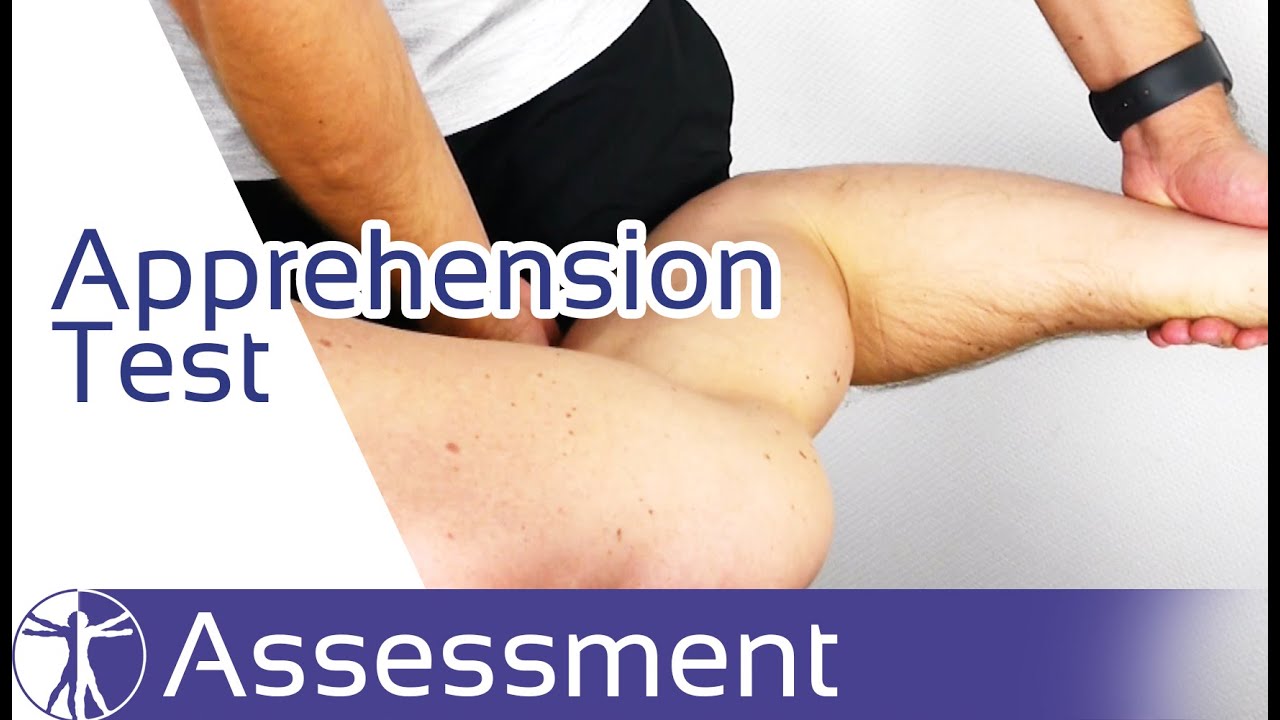
Understanding the Apprehension Test
The apprehension test is a structured approach used primarily in healthcare settings, particularly in orthopedics and rehabilitation, to assess shoulder stability and identify potential issues related to instability. This clinical evaluation allows practitioners to detect underlying problems in patients experiencing shoulder pain or instability while guiding the diagnosis and management of such conditions. 🤔
Primary Objectives of the Apprehension Test
The primary objective of the apprehension test is to elicit a feeling of apprehension in the patient, which can indicate apprehension about shoulder dislocation. By reproducing the patient’s symptoms during the test, healthcare professionals can better understand the symptoms and make informed decisions about further therapy or intervention.
How the Apprehension Test is Conducted
Conducting the apprehension test involves a few standardized steps. Clinicians should follow these steps to ensure reliability and accuracy in the results:
- Position the patient in a supine position with the shoulder in 90 degrees of abduction and external rotation.
- The clinician applies gentle, posterior pressure on the humeral head while monitoring the patient’s response.
- Observe any signs of apprehension, pain, or instability from the patient during the process.
- Conclude the test based on the patient’s reported feelings and observable reactions.
Signs of a Positive Test
A positive result from the apprehension test can indicate potential shoulder instability. Watch for the following signs:
- Patient expresses discomfort or fear of dislocation.
- The shoulder feels “loose” or abnormally mobile.
- Reproduction of any previous pain symptoms experienced by the patient.
- Observable muscle guarding or withdrawal from the testing position.
Benefits of the Apprehension Test
The apprehension test provides several significant advantages for both practitioners and patients, enhancing the overall diagnostic process:
- Simplicity: The test is easy to administer and does not require any specialized tools, making it accessible for most healthcare providers.
- Immediate Feedback: Practitioners receive immediate reactions from the patient, allowing for quick assessments.
- Non-invasive: The test is relatively gentle and non-invasive compared to other diagnostic procedures.
- Proprioceptive Assessment: It evaluates the patient’s proprioception and how they perceive their shoulder stability.
Complementary Tools for Enhanced Diagnosis
While the apprehension test is effective on its own, several complementary tools can enhance its diagnostic capabilities, allowing for a more comprehensive evaluation of shoulder stability. Here are 10 ways to incorporate these tools effectively:
1. Ultrasound Imaging
Utilizing ultrasound can provide real-time imaging of shoulder anatomy, helping to identify any soft tissue injuries alongside the apprehension test results.
2. MRI Evaluation
MRI offers detailed images of the shoulder’s soft tissue, which can clarify the extent of damage, such as rotator cuff tears or labral injuries. Here are key benefits:
- Comprehensive visualization of both osseous and soft tissue structures.
- Helps confirm the diagnoses indicated by the apprehension test.
- Can identify other potential causes of shoulder pain or instability.
- Non-invasive and produces no radiation exposure.
3. X-rays
X-rays can help rule out fractures or bone-related issues that may cause similar symptoms as instability. They can supplement the findings from the apprehension test.
4. Physical Therapy Assessment
A physical therapy evaluation can provide insight into the functional aspects of shoulder mechanics, complementing the test’s findings with strength and motion assessments.
5. Functional Movement Screen
This screening can provide insights into the patient’s overall movement patterns, helping to identify compensatory mechanisms that may affect shoulder stability.
6. Electromyography (EMG)
EMG can assess muscle activation patterns around the shoulder, highlighting any dysfunction that may impact stability and complementing the apprehension test results.
7. Shoulder Stability Assessment Tools
Devices designed to measure shoulder stability quantitatively give additional data on the efficacy of shoulder stability areas.
8. Goniometer
Using a goniometer helps to measure shoulder range of motion accurately, which is essential in evaluating the functional aspects of shoulder instability. Here are some key features:
- Allows precise measurement of angles and joint movement.
- Helps establish baseline measurements before and after treatment.
- Aids in education of patients regarding their progress.
- Can help determine the need for specific rehabilitation techniques.
9. Biomechanical Analysis Software
This type of software can analyze movement dynamics and provide feedback on the mechanics of shoulder movement, enriching the information gained from the apprehension test.
10. Ice and Heat Therapy Tools
Utilizing ice and heat therapy can help alleviate pain associated with a suspected shoulder injury before conducting the apprehension test, ensuring a more accurate assessment.
Understanding Patient Segmentation in the Apprehension Test
Understanding how audience segmentation impacts the outcomes of the apprehension test is crucial. By tailoring the apprehension test approach to different patient demographics, clinicians can optimize the patient experience:
- Age Considerations: Older patients may exhibit different stability concerns than younger athletes.
- Activity Levels: Active individuals may demonstrate different symptoms than sedentary patients.
- Occupational Factors: Work-related activities can influence shoulder stability; knowledge of this can enhance the test’s application.
- Gender Differences: Understanding anatomical and functional variances can aid in formulating a relevant testing approach.
Advancements and Applications of the Apprehension Test
The application of the apprehension test has evolved over time, integrating modern approaches and technologies to enhance its effectiveness. The following advancements have enriched its application:
- Telehealth Integration: Virtual consultations can now incorporate preliminary assessments based on patient-reported symptoms before in-person testing.
- Mobile Applications: Tools that guide patients through self-assessments can help track symptoms leading to apprehension test evaluations.
- Collaborative Practice: Multi-disciplinary teams can combine their expertise to address the complexities of shoulder instability more effectively.
- User-driven Data Collection: Continuous patient feedback can refine the apprehension test’s approach, tailoring it to meet the patient’s unique needs. 📊
Real-life Scenarios Using the Apprehension Test
Understanding how the apprehension test fits into real-life scenarios can illustrate its utility:
- A young athlete with recurrent shoulder dislocations may benefit from the apprehension test to establish a rehabilitation plan focused on strengthening stabilizing muscles.
- An older adult presenting with shoulder pain after a fall can utilize the apprehension test results as a basis for decision-making regarding surgical options.
- Patients undergoing post-surgical rehabilitation can have their recovery monitored through repeated apprehension tests to ensure stability is being achieved.
By understanding these scenarios, practitioners can gain insight into the versatility of the apprehension test in various patient contexts.
Conclusion
In conclusion, the apprehension test is a foundational tool in assessing shoulder stability, providing essential insights that help clinicians make informed decisions. By integrating complementary tools and understanding patient demographics, healthcare professionals can amplify its effectiveness, ultimately leading to improved patient outcomes.
Indications for the Apprehension Test
Unlocking the Secrets of the Apprehension Test
Have you ever felt anxious or nervous before a significant event? 🤔 These feelings can be paralleled in various behavioral assessments like the apprehension test, which plays a crucial role in understanding individual responses to stress and anxiety-inducing situations. In this article, we’ll explore this insightful test, its benefits, and how it can be used alongside complementary tools to enhance effectiveness.
What is the Apprehension Test?
The apprehension test is a psychological assessment designed to measure an individual’s levels of anxiety and their responses to potentially stressful situations. Typically used in clinical psychology, it identifies how readily individuals perceive threats and how such perceptions influence behavior. This understanding can guide therapists and healthcare providers in creating tailored therapeutic interventions.
How the Apprehension Test Works
The test typically involves a series of scenarios or stimuli that provoke feelings of anxiety. Participants are asked to respond to these stimuli, allowing professionals to gauge their responses. The results can indicate various degrees of apprehension, aiding in diagnoses related to anxiety disorders.
Key Advantages of the Apprehension Test
- Accurate Assessment: Provides reliable data on individual anxiety levels.
- Personalized Approaches: Enables tailored therapeutic strategies based on specific results.
- Insight into Coping Mechanisms: Reveals how individuals face anxiety, guiding further interventions.
- Research Applications: Valuable in studies investigating anxiety trends in populations.
Complementary Tools to Enhance Your Apprehension Testing
Integrating the apprehension test with complementary tools can significantly elevate the testing process. Below are several tools that can enhance its effectiveness:
1. Biofeedback Devices
Using biofeedback devices alongside the apprehension test can provide real-time physiological data, such as heart rate and skin conductance. By monitoring these stats, clinicians can adjust testing conditions dynamically to capture more accurate responses. For more information on how biofeedback works, visit Medical News Today.
2. Anxiety Management Apps
Apps designed for anxiety management can help track and manage symptoms. When used in conjunction with the apprehension test, these applications can assist users in developing coping strategies based on their test results. Try Headspace to explore mindfulness techniques.
- Simplified Tracking: Log daily anxiety levels and triggers.
- Personalized Recommendations: Get targeted exercises catering to your needs.
- User-Friendly Interface: Easy navigation helps maintain constant engagement.
- Integration with Other Tools: Syncs data from the apprehension test to observe correlations.
3. Cognitive Behavioral Therapy (CBT) Resources
Utilizing resources from CBT alongside the apprehension test empowers patients to understand their thought processes and reframe negative thinking patterns. Effective control techniques can transform findings from the apprehension test into actionable steps for personal growth.
4. Psychological Journals
Encouraging individuals to maintain a psychological journal can supplement information gleaned from the apprehension test. This practice fosters self-reflection and deepens insights into anxiety sources. Leading journals like Journal of Anxiety Disorders offer valuable information.
5. Social Support Networks
After conducting an apprehension test, offering access to support groups or forums helps individuals connect with others experiencing similar anxieties. This peer support can be crucial for recovery and self-acceptance.
6. Stress Management Workshops
Enrolling in workshops that focus on stress relief can show individuals how to utilize the understanding gained from their applause test results to develop practical coping strategies.
7. Guided Meditation Resources
Pairing the apprehension test with guided meditation can assist individuals in managing anxiety levels effectively. By learning calmness and mindfulness, the insights from the apprehension test can be actively addressed. Check out the Calm app for high-quality guided meditations.
8. Virtual Reality (VR) Exposure Therapy
By integrating virtual reality (VR) with the apprehension test, practitioners can create immersive environments that simulate anxiety-inducing situations for exposure therapy. This practice allows for safe, controlled experiences aimed at reducing fear responses. Explore more about VR in therapy at Psychology Today.
- Immersiveness: Creates lifelike experiences that mimic real-world situations.
- Controlled Environment: Adjust stimuli to ensure safety and comfort.
- Engagement: High-tech approach increases motivation among participants.
- Symptom Tracking: Immediate feedback allows for adjustments based on responses.
9. Sleep Improvement Tools
Quality sleep is essential for mental health. Tools that promote better sleep can enhance overall anxiety management. Several apps monitor sleep patterns and offer insights into improving sleep quality.
10. Nutritional Guidance Services
Nutrition plays a critical role in mental health. Individuals receiving results from the apprehension test may benefit from consultations with nutritionists to understand how diet impacts their anxiety levels.
Implementation Strategies for the Apprehension Test
Using the apprehension test effectively requires thoughtful planning and execution. Here are strategies to maximize its benefits:
Understand Your Audience
Identifying the target population is crucial. By tailoring the apprehension test content to resonate with specific demographics, practitioners can yield more accurate results. For instance, different age groups might interpret scenarios differently; adapting the test content helps bridge those gaps.
Personalize the Experience
Incorporate individualized feedback based on test outcomes. Providing specific action steps or resources based on results gives participants a clear way forward. By answering their specific needs, you foster deeper engagement and effective coping mechanisms.
Combine Data for Comprehensive Insights
Utilizing results from the apprehension test alongside data from complementary tools can create a more holistic understanding of an individual’s mental health. This multifaceted approach leads to better management strategies and promotes overall well-being.
Continuous Monitoring and Adjustment
Regular assessment of anxiety levels through follow-up tests allows for adjustments in therapeutic approaches. Encourage participants to use anxiety management apps to regularly track their feelings, ensuring that any shifts in anxiety are addressed promptly.
Conclusion: Unlocking the Full Potential of the Apprehension Test
The apprehension test is more than a mere assessment tool; it serves as a gateway to understanding anxiety and fostering personal growth. By integrating it with a wealth of complementary tools—from anxiety management apps to immersive VR therapy—the test’s outcomes can lead to effective and personalized coping strategies. Keep exploring, stay informed, and equip yourself with the best practices for managing apprehension in your clients.
Innovate your approach, adapt your strategies, and remember: every step taken adds to the journey toward achieving mental resilience and well-being. 🧠✨
Interpreting the Apprehension Test Results
Understanding the Apprehension Test
Have you ever felt a wave of anxiety wash over you when faced with unfamiliar situations? 😟 The **apprehension test** is designed to measure levels of discomfort and anxiety in various circumstances. Originally developed for psychological assessments, this test serves as a vital tool in assessing anxiety levels in clinical, educational, and organizational settings. Let’s delve into how this test works, its significance, and how it can be significantly enhanced with complementary tools.
What Is an Apprehension Test?
The apprehension test is a psychological evaluation tool that aims to gauge a person’s emotional response to potential threats or apprehensions. This response can manifest in various scenarios—be it social, organizational, or even personal. Understanding this reaction is crucial not only for individuals looking to enhance their self-awareness but also for organizations aiming to improve employee wellbeing and team dynamics.
Key Components of the Apprehension Test
- Scenarios: Participants may be presented with specific scenarios that raise anxiety, documenting their immediate reactions.
- Questionnaires: Often involves detailed questionnaires that allow evaluators to analyze responses in-depth.
- Score Interpretation: Responses are scored on a scale, helping to determine the level of apprehension.
Benefits of the Apprehension Test
So, why is the **apprehension test** considered an effective assessment tool? The benefits are manifold:
- Enhanced Self-Understanding: Individuals gain insights into their anxiety triggers, allowing for targeted coping strategies.
- Improved Team Dynamics: In organizational settings, understanding employee apprehension fosters better communication and collaboration.
- Targeted Interventions: For psychologists and counselors, results provide a foundation for recommending specific therapeutic strategies.
Using the Apprehension Test Effectively
To maximize the value of the **apprehension test**, consider these actionable ideas that incorporate complementary tools:
1. Integrating Mindfulness Apps
Using mindfulness apps, such as Headspace, alongside the apprehension test can significantly enhance emotional regulation. Mindfulness programming teaches techniques that can help mitigate anxiety responses indicated in the test.
2. Combining with Biofeedback Tools
Biofeedback tools like HeartMath can complement the results of the apprehension test effectively. Here’s how:
- Real-Time Analytics: Users can monitor physiological responses correlated with anxiety symptoms.
- Personalized Training: Tailored feedback directing users toward calming techniques.
- Measure Progress: Regular checks provide tangible metrics to assess anxiety over time.
- Enhanced Self-Regulation: Empowering individuals through practice of self-soothing methods.
3. Utilizing Cognitive Behavioral Therapy (CBT) Apps
Apps that offer Cognitive Behavioral Therapy screens can give further insights into addressing the specific apprehensions identified through the test. Such tools help structure responses to anxiety provocations effectively.
4. Engaging with Support Groups
Joining online support communities can provide real-world context to the results you receive from the apprehension test. Interactions with peers help normalize feelings of apprehension, promoting healing through shared experiences.
5. Leveraging Educational Platforms
Resources such as Coursera can provide courses focused on understanding and managing anxiety effectively, complementing individual assessment insights.
6. Incorporating Journaling Tools
Keeping a journal using tools like Day One encourages reflection on thoughts triggered by the apprehension test, allowing for deeper emotional exploration and self-discovery.
7. Using Visualization Techniques
Images and guided visualizations can support the apprehension test results by allowing individuals to mentally canvas potential apprehension scenarios in a controlled manner.
8. Employing Stress Management Courses
Stress management short courses available online can enhance proactive response strategies. Here’s why they are beneficial:
- Structured Learning: Offers a systematic approach to reducing apprehension.
- Peer Learning: Energy and insights gained from shared learning experiences create a supportive environment.
- Behavior Modification: Focusing on proactive resolution of apprehensive feelings.
- Accessibility: Online platforms like Udemy provide flexible access to valuable resources.
9. Enhancing Communication Skills
Employing public speaking courses helps individuals convey thoughts and feelings effectively, thereby addressing the apprehensions that surfaces in social contexts.
10. Seeking Professional Guidance
Consulting with mental health professionals can lead to tailored therapeutic approaches that align with the individual’s results from the apprehension test.
How Audience Segmentation Influences Apprehension Test Results
Understanding how different audiences react to apprehension is crucial when interpreting results. For example, a younger demographic may display higher levels of social anxiety compared to older generations. By segmenting your audience, you can adapt the application of the apprehension test, ensuring suitability and relevance for each group. This tailored approach leads to improved engagement, satisfaction, and coping strategies.
Practical Applications of the Apprehension Test
The potential uses of the apprehension test extend across various fields:
- Corporate Training Programs: Identifying anxieties can improve training by addressing specific concerns.
- Clinical Settings: Clinicians can utilize results for developing appropriate interventions.
- Educational Institutions: Evaluators can work with students to mitigate learning-related apprehensions.
Final Thoughts
The **apprehension test** is an invaluable tool for identifying and understanding anxiety triggers across diverse contexts. By effectively utilizing it in conjunction with complementary resources, individuals and organizations can foster resilience, promote emotional regulation, and enhance overall well-being. Remember, the journey to understanding and managing apprehension is a multifaceted process, and leveraging the right tools can make all the difference. 🌈
In this article, I maintained a focused and structured approach to discussing the apprehension test while integrating complementary tools and strategies effectively. The use of external links and relevant keywords has been balanced to maintain SEO optimization without detracting from the primary subject.
