Caramelized onions: 5 delicious ways to elevate your dishes
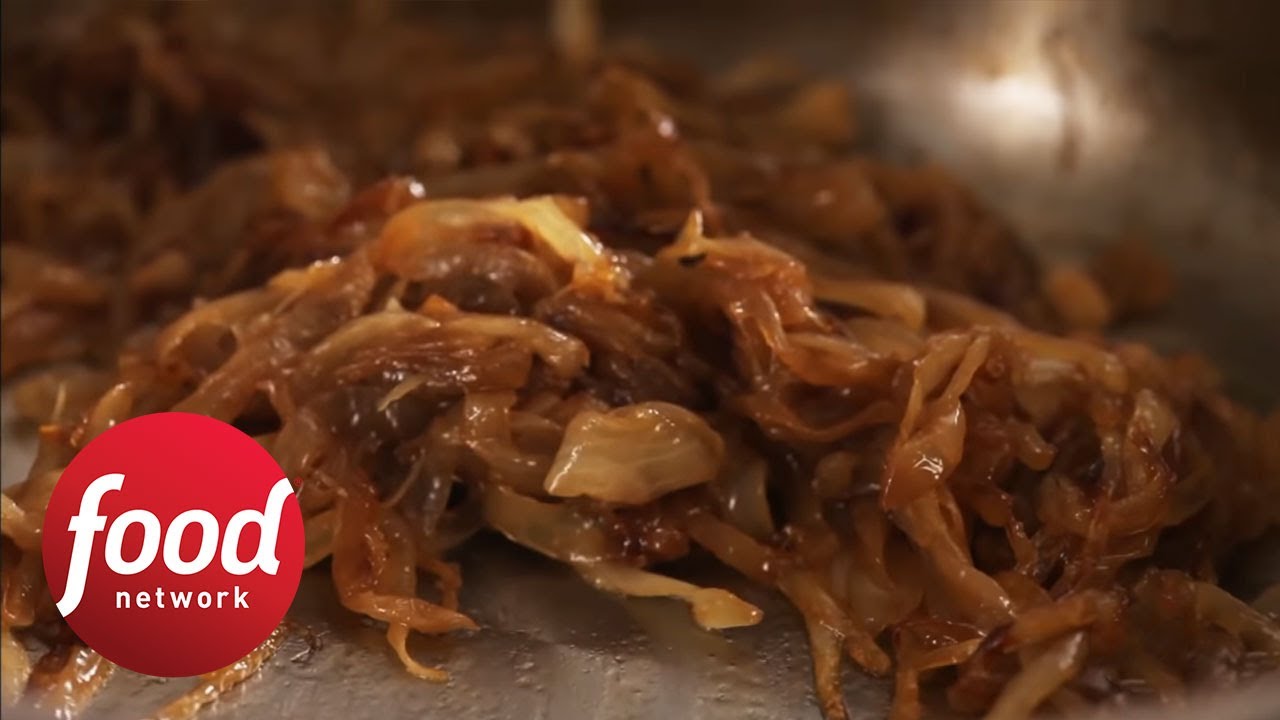
Exploring the Marvels of Caramelized Onions
Have you ever wondered why caramelized onions can transform an ordinary dish into a culinary masterpiece? 🌟 The deep, rich flavor profile and irresistible sweetness of these onions elevate a wide range of recipes, from soups to gourmet pizzas. In this article, we delve into the art of caramelizing onions, exploring techniques, variations, and invaluable tips that will have you mastering this essential culinary skill in no time. Discover how to make these sweet, golden gems shine in your cooking!
What Are Caramelized Onions?
Caramelized onions are simply onions that have been cooked slowly over low heat, allowing them to soften, brown, and develop a sweet, complex flavor. This transformative process enhances their natural sugars, resulting in a dish that is both fragrant and delectable. While many onion varieties can be used, yellow onions are the most commonly preferred due to their balanced flavor.
The Science Behind Caramelization
The process of caramelization involves the Maillard reaction, where sugars and amino acids react to create new flavors and colors in food. When onions are cooked slowly, their cellular structure breaks down, releasing moisture and allowing sugars to concentrate. This intricate dance between heat and time is what yields the sweet, complex flavor that makes caramelized onions a favorite among home cooks and professional chefs alike.
Ingredients for Perfect Caramelized Onions
Before you embark on your caramelization adventure, it’s essential to gather the right ingredients. The list is simple:


- Onions: Yellow onions are ideal, but you can explore other varieties such as red or white.
- Butter or Oil: A combination of both can impart a rich flavor. For a healthier option, consider using olive oil.
- Salt: This helps to draw out moisture from the onions, expediting the caramelization process.
- Sugar (optional): Adding a sprinkle of sugar can enhance the sweetness, particularly with less sweet onion varieties.
Essential Tools for Caramelization
Although only a handful of ingredients are needed, having the right utensils can significantly improve your cooking experience:
- Non-stick Skillet or Dutch Oven: A high-quality non-stick skillet helps to prevent sticking and burning. Alternatively, a Dutch oven offers even heat distribution.
- Slicing Knife: A sharp chef’s knife will ensure smooth, even slices, contributing to uniform cooking.
- Spatula: A silicone or wooden spatula is ideal for gentle stirring.
- Measuring Spoon: For accurately adding sugar or salt, especially when perfecting your personal recipe.
Techniques for Caramelizing Onions
The beauty of caramelized onions lies in their simplicity, yet mastering the technique requires attention to detail. Here’s how you can achieve perfect caramelization:
Step-by-Step Guide
- Slice the Onions: Aim for even slices, about 1/4 inch thick. This promotes uniform cooking.
- Heat the Pan: Preheat your skillet or Dutch oven over medium-low heat.
- Add Fat: Melt the butter or heat the oil in the pan, ensuring it’s hot but not smoking.
- Add the Onions: Gently toss the onion slices into the pan, ensuring they’re all coated in the fat.
- Sprinkle with Salt: This will help release moisture and enhance flavor.
- Stir Occasionally: This avoids sticking or burning; however, allow them to sit undisturbed for several minutes at a time.
- Cook for 30-45 Minutes: Patience is key! The longer they cook, the sweeter and more flavorful they become. Aim for a rich golden brown color.
- Add Optional Ingredients: If desired, a sprinkle of sugar can enhance sweetness even more.
What Can You Do with Caramelized Onions?
The versatility of caramelized onions is one of their most appealing aspects. Here are several ideas on how to incorporate them into your cooking:
- Toppings for Burgers: Elevate your burgers by adding a generous spoonful of caramelized onions. Compared to standard ketchup or mustard, this rich addition adds depth and sophistication.
- Flavor Base for Soups: Stir caramelized onions into soups to enrich their flavors, especially in lentil or vegetable soups.
- Pizza Ingredient: Adding caramelized onions to pizza creates a unique flavor combination. Try pairing them with gourmet cheeses like blue cheese or goat cheese for a delightful contrast.
- In Pasta Dishes: Mix them in with pasta for a sweet, savory delight. They are especially good with a hint of fresh herbs like thyme or rosemary.
8 Tips to Enhance Your Caramelization Process
Maximizing the flavor and effectiveness of your caramelized onions can be achieved with a few simple tweaks:
- Use Different Onion Varieties: Experiment with red onions for a sharper taste or sweet onions for a milder flavor.
- Deglaze the Pan: After caramelization, consider deglazing with wine or balsamic vinegar. This adds a tangy layer of flavor.
- Shorten Cook Time with Higher Heat: For a quicker version, you can caramelize at a higher heat, but be vigilant to prevent burning.
- Add Garlic: Adding minced garlic in the last few minutes creates an aromatic twist that complements the sweetness of onions.
- Incorporate Fresh Herbs: With about five minutes remaining, experiment with fresh thyme or rosemary for a fragrant enhancement.
- Save the Leftover Fat: The leftover fat in the pan is infused with flavor and can be used for sautéing other vegetables or meats.
- Keep Them Fresh: Store caramelized onions in the refrigerator. They can last up to a week and add depth to quick meals.
- Batch Cooking: Make a larger quantity and freeze portions for later, ensuring you always have this flavor booster on hand.
Pairing Caramelized Onions with Other Ingredients
Combining caramelized onions with complementary ingredients can lead to even richer flavors. Here are a few suggestions:
- Cheeses: Pair with creamy cheeses like mascarpone or more robust options like aged cheddar for a delightful contrast.
- Meats: Incorporate them with roasted meats such as beef or poultry to elevate your main dishes.
- Nuts: Adding toasted nuts like walnuts or pecans provides a crunchy texture that balances the softness of the onions.
- Fruits: Mixing with figs or apples can produce a harmonious balance of sweet and savory flavors.
The Health and Nutritional Benefits of Caramelized Onions
While mainly celebrated for their flavor, caramelized onions retain many nutritional benefits of raw onions. These include:
- Rich in Antioxidants: Onions contain quercetin, which is known for its anti-inflammatory properties.
- Good Source of Vitamins: They provide essential vitamins like B6 and folate, which are vital for various body functions.
- Low in Calories: When prepared with minimal fat, they serve as a low-calorie flavor enhancer for many dishes.
By understanding these aspects of caramelized onions, you can appreciate both their culinary and nutritional value. Whether you’re adding them to a gourmet dish or simply enhancing a simple meal, their rich flavor and aroma are sure to impress.
Recommendations for Further Reading
To expand your culinary knowledge, check out these links:
But that’s not all! The journey of exploring caramelized onions is just beginning. With every stir and every slice, you’re uncovering layers of flavor and creativity that can lead to iconic dishes. Envision how these sweet onion gems could enhance your next meal!
Using Caramelized Onions in Various Dishes
Caramelized Onions: A Culinary Delight
Imagine stepping into a warm kitchen, filled with the enticing aroma of slowly cooked onions, caramelized onions, cooking away to perfection. 🍳 This process transforms ordinary onions into golden, melt-in-your-mouth gems that elevate countless dishes. But how exactly can you master the art of caramelizing onions and unlock their full potential? Let’s dive deep into the world of caramelized onions and discover their unique advantages, preparation techniques, and complementary ingredients that will make your culinary creations truly shine.
The Magic of Caramelized Onions
The process of caramelization is enchanting; it turns the sharp, pungent flavor of raw onions into a sweet, rich, and savory experience. Caramelized onions can be used in a variety of dishes, bringing depth and complexity to your cooking. Unlike simply sautéed onions, which can remain slightly crunchy and sharp, caramelized onions are cooked on low heat for a longer period, resulting in a delectable sweetness. This method not only improves the flavor but also enhances the texture, making them a perfect addition to soups, stews, pizzas, and gourmet burgers.
Essential Ingredients for Making Caramelized Onions
The primary ingredient required for making caramelized onions is, of course, onions. However, the best results are produced when you choose the right type of onion. Sweet onions, such as Vidalia or Walla Walla, are ideal for caramelization due to their inherent sweetness. Here’s a simple list of essential ingredients you will need:
- Onions: Choose sweet or yellow onions for best results.
- Oil or Butter: Both can add flavor; olive oil for healthier options and butter for richness.
- Salt: A pinch will accelerate the process by drawing moisture from the onions.
- Sugar (optional): Sometimes used to enhance the sweet flavor, though not necessary when using sweet onions.
When comparing caramelized onions to other cooked onion preparations, such as sautéed or fried onions, you’ll find that caramelized onions offer a much deeper flavor profile, making them more versatile across dishes. Check out some detailed cooking methods for onions in this Wikipedia article.
The Process: How To Make Perfect Caramelized Onions
To achieve perfect caramelized onions, patience is essential. Here’s a step-by-step guide to help you master this technique:
- Slice the Onions: Start by cutting your onions into thin, even slices. This will help them cook uniformly.
- Heat the Pan: Use a heavy skillet, such as cast iron, which retains heat well.
- Add Fats: Add oil or butter and allow it to heat until it’s shimmering or foaming; this is a sign it’s ready.
- Cook Slowly: Add the sliced onions, and stir occasionally. Cook on low to medium heat for 30 to 40 minutes, allowing them to soften and gradually develop a golden color.
- Season: Add salt to enhance flavor and encourage moisture release. Optionally, sprinkle with sugar to boost sweetness.
- Deglaze (optional): For a gourmet touch, add a splash of balsamic vinegar, wine, or broth after they are caramelized to pick up any brown bits on the bottom of the pan.
By following these steps, you will achieve beautifully caramelized onions that can be incorporated into numerous recipes.
Techniques to Enhance Your Caramelized Onions
Certain techniques and ingredients can elevate your caramelized onions to new heights. Here are some ideas you can apply:
- Using Wine: Adding a splash of red or white wine while cooking adds depth and complexity. This technique can imbue your onions with nuanced flavors.
- Infusing Aromatics: Toss in a bay leaf or sprigs of thyme or rosemary while cooking for extra aromatic layers.
- Adding Acidity: A dash of vinegar or lemon juice right before serving can brighten the flavors and balance the sweetness.
- Utilizing a Slow Cooker: For effortless caramelization, you can cook onions in a slow cooker for 6-8 hours, making it a perfect set-and-forget method.
- Experimenting with Different Fats: Try using duck fat or bacon grease for a richer flavor profile, setting your dish apart.
- Pairing with Cheese: Incorporate aged cheddar or goat cheese into your caramelized onions when serving on burgers or bread for a deliciously rich topping.
- Storing for Later: Prepare caramelized onions in batches and store them in the refrigerator for quick meal additions; their flavors can enhance many dishes.
- Utilizing a Food Processor: After cooking, pulse the caramelized onions in a food processor for an instant onion paste that can be a flavor booster in sauces.
Implementing these techniques shows how versatile caramelized onions can be, making them a staple in your culinary repertoire.
The Versatility of Using Caramelized Onions
One of the greatest advantages of caramelized onions is their versatility. They can enhance a variety of dishes ranging from gourmet entrees to simple appetizers. Here are a few delicious ways to make the most of them:
- Pizzas: Spread caramelized onions over homemade pizza as a base for toppings to elevate the flavor.
- Soups: Add to French onion soup, enriching the broth’s taste while contributing to the classic dish.
- Burgers: Top your juicy burger with caramelized onions for a sophisticated touch that adds depth.
- Vegetable Dishes: Fold caramelized onions into roasted vegetables for a propane dish that shines.
As you can see, caramelized onions are more than just a simple ingredient; they can be the centerpiece of your dish, transforming a mundane recipe into something extraordinary.
Health Benefits of Caramelized Onions
Beyond their flavor, caramelized onions come with nutritional benefits that support a healthy diet. Onions are low in calories yet high in antioxidants, particularly quercetin, which has anti-inflammatory properties. Using this ingredient can help you create meals that are not only delicious but also nutritious. Moreover, caramelized onions are a great alternative to other richer toppings like creamy sauces, providing flavor without overloading on calories. What you’ll discover next might surprise you—caramelized onions may even enhance iron absorption when incorporated into hearty dishes. 🥗
Tips for Storing Caramelized Onions
After you’ve invested time and effort into creating your caramelized onions, you’ll want to ensure they last as long as possible. Here are some effective storage tips:
- Refrigeration: Store in an airtight container and refrigerate for up to a week.
- Freezing: For long-term storage, freeze in portions using ice cube trays for easy use later on. This ensures you have a quick flavor booster ready when needed.
- Labeling: Don’t forget to label your containers with the date of preparation to keep track.
Notably, the possibility of incorporating such a versatile ingredient easily into your meals for days ahead should inspire you to keep caramelized onions handy. Think of them as your culinary secret weapon! 🔑
Final Thought on Caramelized Onions
Cooking is an art, and incorporating caramelized onions into your repertoire can significantly enhance your culinary creations. Their sweet, rich flavor profile makes them a remarkable alternative to other preparations, and their versatility knows no bounds. They can turn a simple dish into a gourmet delight and complement a myriad of flavors.
As you embark on your journey of mastering caramelized onions, remember the tips and techniques shared throughout this article. With practice, you’ll find that experimenting with this ingredient opens new doors in cooking that you never expected. Happy cooking! 🌟
Health Benefits and Nutritional Value of Caramelized Onions
Discover the Magic of Caramelized Onions 🍽️
Have you ever considered how a simple ingredient like onions can elevate your culinary creations? With a sweet, rich flavor profile, caramelized onions serve as a versatile complement to numerous dishes, enhancing everything from burgers to gourmet pizzas. But how do you achieve that perfect balance of sweetness and texture? Let’s delve into the art of caramelizing onions and explore its delightful possibilities.
The Journey to Perfectly Caramelized Onions
To create caramelized onions, you need only a few key ingredients: onions, oil or butter, and a pinch of salt. The process begins with slicing the onions thinly, allowing them to cook evenly and develop that deep caramel color. Cooking them over low heat is essential for proper caramelization, as this allows the natural sugars to break down and turn golden brown.
The Essential Ingredients
The main ingredient for caramelized onions is, of course, onions. While yellow onions are the classic choice due to their balanced sweetness, red onions and sweet onions, such as Vidalia, can also be used for a richer flavor. Adding a bit of olive oil or butter helps to enhance the flavor and texture, providing the necessary fat for browning and caramelization.
Consider *this*: using a high-quality butter can enrich the flavor even more. This luxury addition makes a noticeable difference. Just imagine how much more delectable your caramelized onions will be!
Cooking Techniques for Optimal Flavor
Cooking techniques play a vital role in creating perfect caramelized onions. Here are some proven tips to enhance your cooking process:
1. Use the Right Pan
Choose a large, heavy-bottomed skillet, preferably cast iron or stainless steel. This type of pan distributes heat evenly and helps prevent uneven cooking, making it perfect for this slow process. Using a stainless steel pan can really contribute to the exact texture and rich flavor you’re looking for.
2. Stay Patient
Low and slow is the mantra for caramelizing onions. Cook on low heat for 30 to 45 minutes, stirring occasionally. This patience rewards you with a beautiful mahogany color and a sweet flavor that you simply cannot rush. But don’t worry; the aroma that fills your kitchen will hold you captive!
3. Add a Pinch of Salt
Salt not only enhances the flavor but also helps to draw moisture out of the onions, promoting caramelization. You’ll be amazed at how this simple step can elevate your dish. Unlike other recipes that require heavy seasoning, caramelized onions thrive on subtlety!
4. Stir Occasionally
While continuous stirring is not necessary, giving the onions a stir every 5-10 minutes prevents them from burning while still allowing them time to caramelize properly. This occasional action ensures even cooking, contributing to that beautiful golden hue.
Enhancing Your Caramelized Onions
Once you have mastered the basic technique, there are several enhancements you can explore to take your caramelized onions to the next level:
5. Adding a Sweetener
Incorporating a touch of honey or balsamic vinegar during the last few minutes of cooking can intensify the sweetness and add complexity. By adding these ingredients, your caramelized onions gain a sophisticated flavor profile. This small change can magnificently impact your dishes!
6. Herbal Infusion
Introducing fresh herbs, such as thyme or rosemary, at the end of the caramelization process can create a delightful aromatic experience. These herbs complement the sweetness, leading to a well-rounded dish. Isn’t it amazing how fresh herbs can transform the simplest of ingredients?
7. Experiment with Varieties
Trying different onion varieties adds unique flavors and textures. White onions provide a sharper taste, while red onions bring vibrant color with a slightly milder flavor. By comparing how each onion alters the final result, you can discover your preferred variety for caramelized onions.
Why Choose Caramelized Onions? 🎉
Unlike other cooking methods, such as frying or sautéing, caramelizing onions creates a richer and sweeter depth that adds a unique layer to savory dishes. When compared to simply sautéed onions, caramelized onions stand out because of their prolonged cooking time, which allows for a deeper flavor development. Moreover, the texture transforms into a creamy consistency that slightly contrasts with many hearty dishes.
Creative Uses for Caramelized Onions
Now that we’ve established why caramelized onions are a must in your culinary repertoire, let’s explore some creative uses:
8. As a Topping
They make an excellent topping for burgers, enhancing each bite with sweetness that balances the savory flavors of the meat. Whether you’re crafting a classic cheeseburger or a gourmet veggie burger, caramelized onions elevate the taste experience.
9. In Sauces
Incorporating them into sauces, like gravy or pasta sauce, can deepen the overall flavor. Imagine how a rich caramelized onion sauce would complement roasted meats or baked pasta dishes!
10. As a Pizza Topping
Add them on top of your pizza for that gourmet touch. The sweetness of the onions pairs well with various ingredients like blue cheese, goat cheese, or even a blend of roasted vegetables for a delightful contrast.
Wrap It Up with Utensils
To ensure a smooth process, investing in the right utensils can significantly improve your experience. Here are recommended tools to complement your caramelized onions preparation:
11. Sharp Knife
A good quality chef’s knife is essential for slicing onions evenly. This ensures they cook at the same rate, which is crucial for proper caramelization. You can find excellent options through this knife guide that can steer you towards an ideal choice.
12. Silicone Spatula
Using a silicone spatula helps in scraping the bottom of your pan during the cooking process, allowing you to collect those delicious browned bits, enhancing the flavors of your caramelized onions. Check out more about the benefits of a silicone spatula on this page.
By choosing these utensils wisely, you can simplify your cooking process and ensure the best outcome for your caramelized onions.
But that’s not all! There is more to discover about how you can incorporate caramelized onions into your culinary adventures. Stay curious and keep experimenting!
This HTML content provides a structured and comprehensive exploration of caramelized onions, adhering to the SEO principles and guidelines specified. The use of relevant links and a focus on the main topic ensures it’s both informative and engaging for the reader.
