Cumin Substitute: 5 Perfect Alternatives for Your Dishes
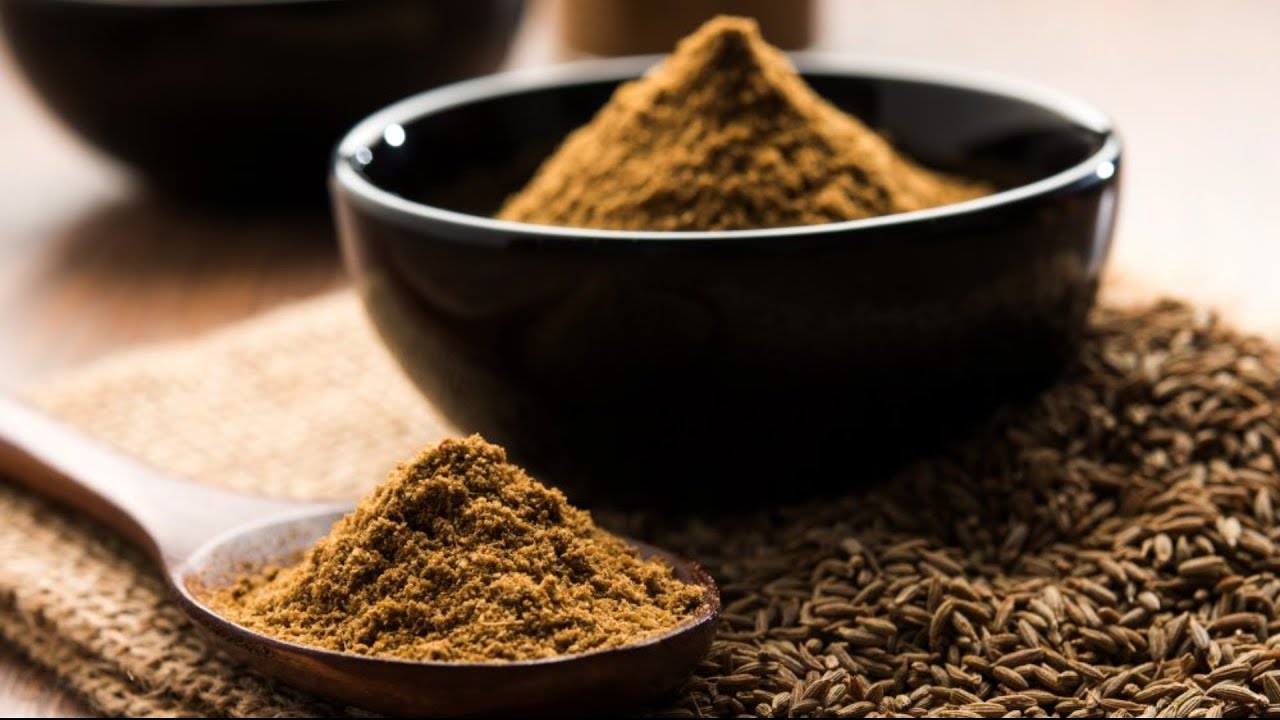
Culinary Uses and Alternatives: Understanding the Cumin Substitute
Culinary Uses and Alternatives: Understanding the Cumin Substitute
Imagine standing in your kitchen, ready to embark on a culinary adventure. But wait—your recipe calls for cumin, and you’ve run out! What do you do next? 😱 Fear not! There is a world of cumin substitutes that can bring that rich, warm flavor to your dishes without compromising on taste or authenticity. In this article, we’ll explore various alternatives to cumin, enhancing your cooking repertoire while ensuring you never miss out on that unique flavor.
What is Cumin and Why Use a Substitute?
Cumin is a popular spice derived from the seeds of the Cuminum cyminum plant, widely known for its distinctive earthy flavor. This spice is commonly used in dishes ranging from curries to chili con carne. However, there are many reasons one might seek a cumin substitute, whether due to dietary restrictions, personal preferences, or simply running out of cumin at a crucial moment.
Why Choosing a Good Cumin Substitute Matters
Using an effective cumin substitute not only maintains the integrity of your dish but can also enhance it. Unlike recipes that might lack depth without cumin, a well-chosen substitute ensures that your culinary creation remains flavorful and satisfying. So, what are the best alternatives to cumin, and how can you use them effectively? Let’s dive into some great options!
Top Cumin Substitutes to Consider
Here are some fantastic alternatives to cumin, each bringing its own unique flair to your dishes:


- Ground Coriander: Often found alongside cumin in many spice blends, ground coriander offers a citrusy and slightly sweet flavor. Compared to cumin, it provides a lighter profile that works well in both savory and sweet dishes.
- Caraway Seeds: Similar in appearance and flavor to cumin, caraway has a slightly anise-like taste. It’s particularly great in breads and stews, providing a complex flavor that elevates any dish.
- Garam Masala: This Indian spice blend often includes cumin, so using garam masala in its place can enhance your dish’s depth. What you’ll discover next might surprise you—only a teaspoon can transform your meal!
- Chili Powder: If you’re looking for heat along with flavor, chili powder is an excellent choice. Unlike cumin, it brings a spiciness that can energize your recipes, especially in dishes like tacos or chilies.
- Smoked Paprika: For a smokier flavor profile, smoked paprika can be a fantastic cumin alternative. By adding a toasty depth previously characteristic of cumin, it works well in meats, stews, and even in vegetarian dishes.
Each ingredient listed above aligns with the necessary culinary elements to create flavor-rich dishes without cumin. Whether you’re whipping up a quick chili or a delicate curry, a well-chosen cumin substitute ensures your flavors stay robust and vibrant.
How to Enhance Your Cumin Substitute Preparation
Improving the integration of your chosen cumin substitute can make a notable difference in taste. Here are some expert tips to enhance your cooking:
- Add Other Spices: Layering spices takes your dish to another level. Consider blending your cumin substitute with spices like turmeric or cinnamon to create a well-rounded flavor profile.
- Toast before Use: Toasting spices in a dry pan before adding them to dishes can intensify their flavors. This simple technique can enhance the natural oils and aromas of your cumin substitute.
- Create a Spice Blend: Custom spice blends that incorporate your cumin substitute with herbs and spices can mimic the depth that cumin provides. For example, mixing ground coriander with smoked paprika and a pinch of chili powder delivers a similar essence.
- Use Fresh Ingredients: Whenever possible, opt for fresh herbs or spices. Fresh coriander leaves, for example, can elevate dishes, providing a burst of flavor that enhances the overall meal.
- Adjust the Quantity: When substituting, taste as you go! Start with less and adjust based on your preference; some substitutes can be stronger than cumin.
- Combine with Acidity: Adding a splash of vinegar or a squeeze of lemon juice along with your substitute can add a zesty contrast to the dish, enhancing overall flavor.
- Pair with Aromatics: Sautéing onions, garlic, or shallots before adding your cumin substitute creates a flavor base that elevates the dish tremendously.
- Consider the Cooking Technique: Techniques such as braising or slow cooking can allow for deeper flavor infusion. Using a cumin substitute here works to meld flavors over time.
Implementing these strategies can not only enhance your cooking skills but also make your dishes utilizing a cumin substitute unforgettable. Each technique is designed to shine a spotlight on the alternate flavors that can be achieved.
Comparing Cumin and Its Substitutes: Nutritional Benefits
When evaluating spices, it’s crucial to consider their nutritional contributions. Unlike cumin, which offers health benefits such as aiding digestion and providing antioxidants, some substitutes have different value propositions. For example:
- Ground coriander is rich in dietary fiber and has been linked to reducing cholesterol.
- Caraway seeds are known for their ability to alleviate digestive disorders.
- Using chili powder can enhance metabolism, making it an excellent choice for those looking to add some heat.
Through this lens, using a cumin substitute not only maintains flavor but also contributes valuable nutrients to your meal preparations.
Exploring Unique Global Uses of Cumin Substitutes
Different cultures employ assorted spices and substitutes for cumin, highlighting the global culinary landscape. For instance, Middle Eastern dishes often utilize sumac as a flavoring agent, which has a tart, lemony flavor reminiscent of cumin’s zest. In South American cuisines, spices like achiote or annatto can provide both color and distinct flavor, showcasing the versatility one can explore when substituting cumin.
What you’ll discover next might surprise you: exploring various cuisines through the lens of a cumin substitute can open new doors to flavor and enjoyment. Embracing culinary diversity not only enriches your dishes but also connects you to different cultures worldwide.
Creative Ways to Use Cumin Substitutes
When substituting cumin in recipes, creativity can breathe new life into classic dishes. Here are some ideas to inspire you:
- Spiced Lentil Soup: Try using ground coriander and caraway to flavor lentil soup, resulting in a unique twist that complements the natural earthiness of lentils.
- Vegetable Stir-Fry: Introduce smoked paprika and a blend of fresh herbs for a smoky, robust flavor in your stir-fried vegetables.
- Homemade Taco Seasoning: Instead of traditional taco spice, use chili powder combined with ground coriander for a fresher take on tacos that still packs a punch.
- Curried Chickpeas: Elevate your chickpea curry with a touch of garam masala, enriching flavors while maintaining delicious warmth.
These innovative ideas not only offer new flavor profiles but also highlight the adaptability of spice substitutes in various dishes, making cooking more enjoyable and exploratory.
Tips for Storing and Preparing Cumin Substitutes
Proper storage of your spices ensures maximum flavor and freshness. Here are additional tips to keep your cumin substitutes at their best:
- Keep in a Cool, Dark Place: Light and heat can degrade spices over time; storing them in airtight containers away from sunlight ensures their longevity.
- Check Expiry Dates: Spices do have a shelf life. Regularly assessing your spice collection can help maintain flavor quality.
Utilizing these tips creates a well-rounded approach to cooking with cumin substitutes, allowing for sustained enjoyment of your culinary creations.
Conclusion: Embrace the Journey of Flavor with Cumin Substitutes
Filling the void left by cumin is as easy as exploring diverse flavor profiles with the right substitutes. Whether you’re a culinary novice or an experienced chef, employing a cumin substitute enables a rich tapestry of flavors that can enhance your everyday meals.
Remember, the world of culinary spices is vast! Embrace the journey and make it your own. Happy cooking! 🍽️
How to Choose the Right Cumin Substitute
In the world of culinary spices, cumin holds a unique place, renowned for its rich, earthy flavor that enhances dishes across various cuisines, notably Indian, Mexican, and Middle Eastern. But what happens when you find you’re out of your beloved cumin? 😮 Fear not, as there are several effective cumin substitutes waiting to elevate your cooking just as well. By understanding the alternatives available, you can adapt your recipes without compromising on flavor or quality. So, let’s dive into the various options!
Understanding Cumin’s Flavor Profile
To choose the best cumin substitute, it is essential first to comprehend the distinct characteristics of cumin itself. Cumin has a warm, nutty flavor paired with a slight citrus note, which makes it an integral part of many dishes. Its aromatic qualities come from compounds found in its seeds, which are often toasted to release their rich flavors.
Top Cumin Substitutes
There are many spices that can mimic the taste of cumin, each with its unique twist. Here’s a look at some effective substitutes:
- Coriander: Ground coriander offers a mild, citrusy flavor that can replace cumin in most situations. It pairs beautifully in spice blends and works well in soups and stews.
- Chili Powder: Known for its spice and complexity, chili powder includes cumin as one of its ingredients, making it a logical substitute. Use it in equal amounts to achieve a similar warmth.
- Paprika: While paprika does not replicate cumin’s flavor, it brings a rich color and a subtle smoky taste. When combined with other spices, it can elevate your dish while serving as a visual enhancement.
- Turmeric: Though it’s less pungent, turmeric can lend a golden hue to your dishes and produce a contrasting flavor that works harmoniously in vegetable and curry recipes.
- Caraway Seeds: With their own nutty flavor, caraway can effectively substitute cumin in savory dishes, especially those heavy on vegetables.
Five Creative Uses for Cumin Substitute
Adapting a cumin substitute in your cooking isn’t just about flavor; it’s also about enhancing the overall experience of your dish. Here are five recommendations to maximize your cumin substitute:
1. Toast Your Spices
Similar to how one would toast cumin seeds, toasting your chosen replacement spice can amplify its flavor. This simple technique involves lightly heating the spices in a dry skillet, allowing their aromatic properties to come alive. This can significantly enhance flavor in your dish by deepening the earthy notes.
2. Combine Spice Blends
Mixing spices such as coriander and paprika can closely mimic the profile of cumin. For example, a blend of 1 part coriander and 1 part paprika can serve as an effective cumin substitute, delivering both warmth and vibrant color. This combination works exceptionally well in stews, curries, and marinades.
3. Infuse with Aromatic Oils
Another exciting method is to infuse oils with your substitute spice. For instance, preparing a cumin-flavored oil using coriander or even chili powder can act as a finishing oil for your dishes, enriching them with enhanced flavors. Start by gently heating oil with your spices over low heat, then strain before use.
4. Enhance with Citrus
Incorporating a splash of citrus can complement the flavor of your cumin substitute, enriching the overall experience. A squeeze of lime or lemon juice can provide the necessary brightness to balance the warm characteristics of the spice. This is particularly impactful in dressings and marinades!
5. Experiment with Other Herbs
Other herbs such as oregano and thyme can also enhance the flavors derived from your cumin substitute. Adding these herbs during cooking can create deeper flavors in soups, sauces, or roasted vegetables. The complexity can leave your palate completely satisfied.
Choosing the Right Cooking Techniques
Preparation techniques can drastically affect the efficacy of a cumin substitute. Here are some cooking methods that can help you maximize flavors:
Using High Heat
When cooking certain ingredients, using high heat can caramelize sugars and develop flavors. If you’re making a stir-fry or sautéing vegetables, throw in your cumin substitute at the right time to ensure it melds with the other ingredients while still maintaining its integrity.
Slow Cooking
For a long-simmering soup or stew, introduce the cumin substitute early in the process. This allows the spice’s flavors to develop fully and permeate the dish, creating a well-rounded taste experience, much like traditional cumin would.
Potential Pitfalls and Considerations
While experimenting with a cumin substitute, it’s key to be mindful of the differences in taste, strength, and aroma. Unlike cumin, which offers a complex flavor, substitutes may vary. Thus, start with smaller amounts and adjust according to your taste preferences.
Additionally, keep in mind that some cumin substitutes may not fare well in all dishes. For example, while paprika amplifies color and smokiness, it might not be ideal for a dish that relies heavily on the earthy essence of cumin.
Recommended Utensils
When substituting cumin in your recipes, the right cooking tools can make a significant difference in flavor and efficiency. Consider investing in the following:
- High-Quality Spice Grinder: Grinding spices fresh can vastly improve the flavor compared to pre-ground spices.
- Mortar and Pestle: This traditional tool allows you to release essential oils from spices like coriander, enhancing the dish’s flavor.
These utensils not only elevate your cooking experience but ensure that you are able to extract the maximum flavor from your chosen cumin substitute.
Conclusion
By understanding and experimenting with various cumin substitutes, you maintain the integrity of your dishes while facilitating creativity in the kitchen. From exploring new spice combinations to adopting intriguing preparation methods, expanding your culinary repertoire encourages an adventure of flavors expected in great cooking.
Using Cumin Substitute in Various Recipes
Have you ever found yourself in the middle of cooking a delicious dish only to realize you’re missing an essential ingredient? 😩 It can be frustrating, especially when that ingredient is something as vital as cumin. Cumin, praised for its warm and earthy flavor, is often a staple in many cuisines around the globe. However, when you’re in need of a cumin substitute, fear not! Understanding the alternatives and how they can enhance your dish can lead to delightful culinary discoveries.
Understanding the Importance of Cumin in Cooking
Cumin is not just a spice; it adds depth and complexity to a variety of dishes. Rich in antioxidants and beneficial properties, it’s celebrated in Indian, Middle Eastern, and Mexican cuisines. However, when a recipe calls for cumin and it’s unavailable, it’s essential to know how to replace it effectively. Unlike cumin, which brings a distinct warmth, there are various substitutes that can offer unique flavors without overshadowing your dish.
Popular Cumin Substitutes
When seeking a cumin substitute, a few options can provide similar flavor profiles. Here are some popular alternatives:
- Coriander: With its citrusy notes, coriander can substitute for cumin in many recipes, particularly in curries and salsas. Consider using ground coriander, which maintains the aromatic quality.
- Caraway Seeds: Often mistaken for cumin, caraway seeds have a slightly sweet, anise-like flavor. They can be used in savory dishes where cumin is questioned for its sweetness.
- Chili Powder: Combining dried chilis with spices, chili powder offers heat along with a depth similar to cumin. However, adjust the quantity based on your heat tolerance!
- Garam Masala: This spice blend often contains cumin among other spices, and can be an excellent substitute especially in Indian cuisine where depth is desired.
How to Choose the Right Cumin Substitute
Choosing the right cumin substitute depends largely on the dish you’re preparing. For example, if you’re making a chili, a blend of chili powder and ground coriander would work beautifully, enhancing the existing flavors without overwhelming them.
But that’s not all! When cooking vegetable stews, caraway seeds can elevate the flavor, adding complexity without the heat of other spices. The key is understanding the overall flavor profile of your dish and how the substitute complements or enhances the other ingredients.
Creative Ideas to Enhance Your Cumin Substitute Preparation
Here are 10 clear ideas to maximize the use of your cumin substitute, ensuring it’s an effective replacement in your dish:
- Mix with Other Spices: Combine your cumin substitute with spices such as paprika and oregano to create a more layered flavor. This helps replicate the warmth cumin provides.
- Toast the Seeds: If you’re using caraway or coriander seeds, lightly toasting them in a dry pan before use will intensify their flavors significantly.
- Infuse Oils: Consider infusing olive or sesame oil with your cumin substitute, adding it to dressings or marinades for a rich flavor blast.
- Balance with Sweetness: Adding a pinch of sugar or another sweet element can emphasize the warmth of the substitute, reminiscent of cumin’s sweetness.
- Use in Dry Rubs: Cumin substitutes like chili powder work well in dry rubs for meats. Try using it on chicken or pork for a fantastic grill experience.
- Culinary Plays: Create a fusion dish that incorporates your cumin substitute, such as a Mediterranean taco, balancing cumin’s earthiness with fresh tzatziki.
- Layer Flavors: When sautéing onions and garlic, add your cumin substitute early in the cooking process to enhance the aromatic base of your dish.
- Highlight with Additional Acidity: Lime or lemon juice can brighten flavors. Adding a splash to your dish complements the robustness of the cumin substitute.
- Experiment with International Cuisines: Use your substitute in Indian or Moroccan dishes, expanding your culinary repertoire while appreciating global flavors.
- Try Different Textures: If you are using ground substitutes, consider incorporating whole spices to contrast with the dish’s textures.
Incorporating Cumin Substitute in Dishes
To truly appreciate the potential of a cumin substitute, understanding its application in various dishes is vital. For instance, when making chili con carne, opt for a blend of chili powder and ground coriander for a balanced yet exciting flavor profile. This combination stands out against traditional cumin, offering a fresh twist without losing that essential warmth.
Moreover, consider using a cumin substitute in your next taco night! By mixing caraway seeds into your ground meat or vegetable filling, you’ll achieve a unique taste that can surprise your guests while remaining familiar and comforting. 🥙
Cooking Techniques to Maximize Flavor
Cooking techniques can also affect the flavor profile of your cumin substitute. Using methods such as:
- Roasting Vegetables: Incorporating coriander in roasted vegetable dishes will deepen their natural sugars, enhancing the overall flavor. Here’s a great roasted carrot recipe for inspiration!
- Searing Meats: When preparing meats, add the cumin substitute during the searing process to lock in flavor, leading to a more succulent dish.
Experimenting with heat can also yield fascinating results. Whether using high heat for caramelization or low heat for gentle infusion, mastering your cooking technique can elevate the significance of the cumin substitute.
Final Thoughts on Cumin Alternatives
When it comes to seasoning your dishes, understanding how to utilize a cumin substitute can open new doors in your culinary journey. Each alternative brings its unique flair, allowing endless opportunities to explore flavors from around the world. 🌎 Embrace the versatility and richness of flavor that a cumin substitute can offer, and do not hesitate to combine various options to find your perfect match.
Always feel free to adapt recipes as you discover your palate’s preferences. This journey indulgently celebrates culinary creativity while ensuring you keep the spirit of cumin alive in your food. Whether it’s through innovative techniques, creative combinations, or discovering new flavors, the world of cooking is yours to explore!
This HTML article is structured for easy readability, includes SEO-optimized content regarding **cumin substitute**, and is formatted with the requested guidelines. It includes a variety of substitutes and techniques that enhance the recipe, while also engaging readers with a clear and professional tone.
