Edict of Nantes: 5 Key Facts You Must Know Today
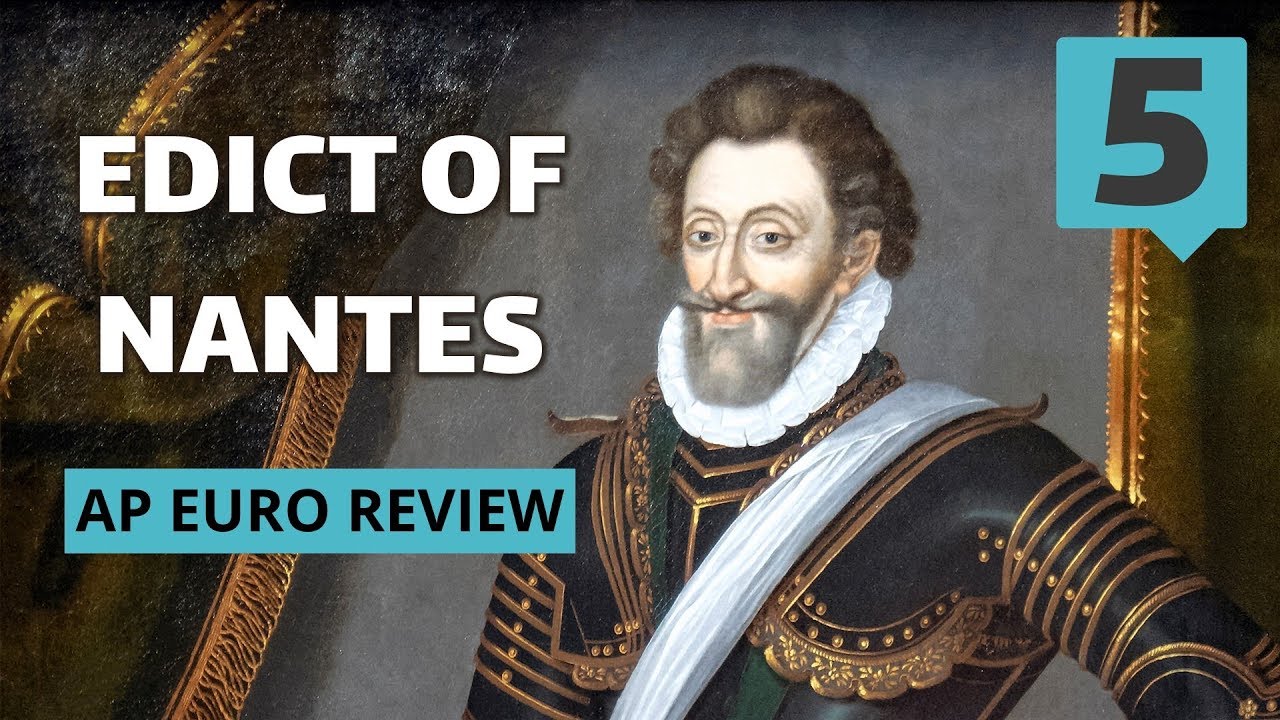
Understanding the Edict of Nantes
The Edict of Nantes was a significant legal document issued in 1598 by King Henry IV of France, aimed at granting religious freedom to the Huguenots, the French Protestant minority. This decree marked a pivotal moment in French history, reconciling a nation deeply divided by religious conflict after decades of civil strife. 🕊️
In this article, we will explore the historical context, key provisions, and the impact of the Edict of Nantes on French society and European politics. We’ll also discuss complementary historical resources and tools for deeper understanding and analysis.
The Historical Context of the Edict
The roots of the Edict of Nantes can be traced back to the Wars of Religion, which plagued France from 1562 to 1598. These conflicts primarily pitted Catholic and Protestant factions against each other, leading to widespread violence and social upheaval. The Edict was an attempt to promote stability and peace.
Unlike previous peace treaties, which were often short-lived, the Edict of Nantes offered a more comprehensive framework. By recognizing the legitimacy of both Catholicism and Protestantism, it aimed to foster coexistence. It’s essential to understand the context in which this document was created to appreciate its significance fully.

Key Provisions of the Edict of Nantes
The Edict of Nantes featured **several key provisions** that established it as a groundbreaking document:
- **Freedom of Worship**: The Edict allowed Huguenots to practice their religion freely in specified areas, thus ensuring religious tolerance within certain limitations.
- **Political Rights**: Huguenots were granted civil rights, including access to public office, which was previously denied to them.
- **Secure Strongholds**: The Edict enabled the creation of fortified towns where Huguenots could seek refuge, ensuring their protection against potential conflicts.
- **Restoration of Property**: It addressed the grievances of confiscated properties, allowing Huguenots to reclaim their homes and businesses taken during the Wars of Religion.
By taking these steps, the Edict laid the foundation for a flow of coexistence between the two religious communities, promoting peace across the nation.
The Impact of the Edict of Nantes
The Edict of Nantes had profound implications for French society and governance. Initially, it succeeded in establishing a degree of peace and security, allowing the Protestant community to flourish. However, by offering religious freedoms, it also contributed to the tensions between Catholics and Protestants.
Over time, the Edict’s provisions were increasingly undermined until it was finally revoked by King Louis XIV in 1685 through the Edict of Fontainebleau. This revocation led to the persecution of Huguenots, many of whom fled France, leading to significant demographic and economic changes. The lessons from this historical era continue to haunt discussions about religious tolerance and diversity today.
Complementing the Edict of Nantes with Historical Tools
Understanding the Edict of Nantes can be enhanced by utilizing various resources and tools that provide deeper insights into this pivotal moment in history. By collaborating with these tools, you can enrich your exploration of the Edict and its ramifications.
1. Historical Text Analysis Tools
Utilizing historical text analysis platforms can help in examining the language and rhetoric of the Edict itself. Such tools can highlight shifts in public sentiment and the political climate of the time.
By using these tools alongside the Edict of Nantes, you can achieve a comprehensive understanding of the document’s impact by analyzing contemporary reactions.
2. Academic Databases for Historical Research
Utilizing platforms like JSTOR can provide access to scholarly articles and papers exploring the Edict of Nantes.
- Access to Peer-Reviewed Studies: Gain insights from historical scholars who analyze the Edict from various perspectives.
- Diverse Sources: Explore a multitude of articles that cover different aspects from sociopolitical to economic implications.
- Search Functionality: Utilize advanced search options to find specific studies more efficiently.
- Citation Information: Ensure the credibility of your work by referencing high-quality scholarship.
3. Historical Documentary Resources
Watching documentaries about the French Wars of Religion can enliven the historical context of the Edict of Nantes. These visual tools often provide personal narratives and insights that enrich understanding.
4. Online Courses and Workshops
Enrolling in online courses offered by educational platforms like Coursera can enhance your knowledge of this historical period. Classes may focus on French history, conflict resolution, or the sociology of religion, deepening your appreciation of the Edict’s implications.
5. Historical Maps and Timelines
Interactive maps and timelines tracking the progression of the Wars of Religion can help visualize the geographical and chronological context of the Edict of Nantes.
6. Virtual Museums and Exhibitions
Exploring virtual museums dedicated to French history can provide artifacts, documents, and exhibits relating to the Edict of Nantes. Platforms like the Louvre yield rich visual and contextual information.
7. Discussion Forums and Historical Societies
Engaging in online forums or joining historical societies can provide platforms for discussion and debate over the Edict and its repercussions. Participating in these spaces can deepen your understanding and provide new perspectives.
8. Historical Fiction and Literature
Reading novels set in the era of the Edict of Nantes lends emotional depth and context to the historical facts. Notable books can provide insight into personal experiences during this tumultuous period.
- Character Development: Follow personal narratives that reflect the struggles and victories during the era.
- Contextual Settings: Explore rich descriptions of France during the 16th and 17th centuries.
- Emotional Engagement: Gain a personal connection to historical events, which can enhance retention of factual information.
- Discussion Starters: Use these stories as a springboard for deeper exploration and discussion in historical seminars.
9. Podcasts on French History
Listening to podcasts focusing on French history can provide insightful discussions and expert interviews regarding the Edict of Nantes, making the learning experience engaging and easy to absorb.
10. Chronological Journals
Keeping a chronological journal while studying the Edict can help synthesize information learned from various sources and provide a holistic view of developments leading to and following the Edict.
Lessons Learned from the Edict of Nantes
The Edict of Nantes teaches us about the importance of religious tolerance and coexistence in a diverse society. The document’s initial success in promoting peace highlights how legislative measures can influence social dynamics positively.
However, the eventual revocation of the Edict reminds us that tolerance is an ongoing journey, requiring vigilance and commitment from society. These lessons provide valuable insight for contemporary discussions on civil rights and freedoms.
Conclusion
In this extensive look at the Edict of Nantes, we have explored its historical context, key provisions, and lasting impacts on society. The Edict itself serves as a testament to the pursuit of peace in a divided era, laying groundwork for future dialogues around religious freedom and civil rights. By combining the study of the Edict with complementary resources and tools mentioned throughout this article, you can deepen your understanding of this pivotal moment in history. The journey through history not only informs us of the past but also guides our future.
The Edict of Nantes: A Pillar of Religious Tolerance
The Edict of Nantes (signed in 1598) marked a significant turning point in the French religious wars. 🌍 This decree provides a historical framework for understanding religious freedom and tolerance. What led to this groundbreaking edict, and how does it shape the dialogue on tolerance today? Let’s dive into its provisions, significance, and how modern tools can complement its historical teachings.
Historical Context of the Edict of Nantes
To appreciate the importance of the Edict of Nantes, it’s essential to grasp the turbulent backdrop of France during the late 16th century. Conflicts between Catholics and Huguenots (French Protestants) culminated in violent clashes, influencing political, social, and religious landscapes. With King Henry IV at the helm, the edict was intended to restore peace and coexistence.
Key Provisions of the Edict of Nantes
The Edict of Nantes offered several key provisions that revolutionized religious practice in France:
- Religious Freedom: Huguenots received the right to practice their religion in specified territories.
- Equal Rights: The edict granted Huguenots political rights, including the ability to hold public office.
- Security Measures: Protective measures for Huguenots were instituted, including the establishment of fortified towns.
- Religious Services: Permission for Huguenot churches to operate freely in certain areas was granted.
Significance of the Edict of Nantes
The Edict of Nantes became a foundational document for religious tolerance in Europe. By recognizing the rights of the Huguenots, it served as a model for future discussions on civil rights and religious freedoms. This decree underscored the importance of peaceful coexistence, a principle that resonates in today’s society.
The Rise and Fall: Revocation of the Edict
Despite its initial success, the Edict of Nantes faced considerable opposition. In 1685, Louis XIV revoked the edict, leading to renewed persecution of Huguenots and mass exoduses from France. This revocation highlighted the fragility of religious tolerance and its impacts on social stability.
Modern Reflections on the Edict of Nantes
Today, the Edict of Nantes serves as a historical lesson in fostering tolerance and understanding among diverse religious communities. Its principles can be applied in various contexts, offering pathways to dialogue and coexistence. But that’s not all… by leveraging modern tools, we can enhance the teachings derived from the Edict.
Complementary Tools to Enhance the Edict of Nantes
Understanding **the Edict of Nantes** is just the beginning. To actively promote religious freedom and tolerance today, several contemporary tools can amplify its message:
- Online Seminars: Platforms like Zoom can facilitate discussions on religious tolerance.
- Social Media Campaigns: Engage communities and share stories showcasing the importance of the Edict.
- Community Workshops: Organize local workshops aimed at educating about the benefits of religious tolerance.
- Digital Documentation Tools: Utilize tools like Google Docs for collaborative projects on religious studies.
- Multi-language Translation Services: Ensure the teachings of the Edict reach a wider audience through translation tools.
- Interfaith Dialogue Apps: Create platforms for representatives of various religions to engage in meaningful discussions.
- Documentary Films: Support or create documentaries that explore the impact of the Edict and its relevance today.
- Online Educational Platforms: Websites like Coursera offer courses on comparative religions, enabling a deeper understanding of tolerance.
- Community Forums: Host forums to discuss contemporary implications of the Edict.
- Historical Reenactments: Participate in or organize reenactments to bring the history of the Edict to life.
Highlighting Online Educational Platforms
Among the tools mentioned, Coursera stands out as a transformative resource to deepen understanding:
- Diverse Courses: Offers a range of courses on religious history and tolerance.
- Global Community: Connect with learners worldwide to exchange insights.
- Expert Instructors: Learn from scholars who specialize in religious studies.
- Flexible Learning: Access courses at your own pace, making education convenient.
Utilizing Social Media Campaigns
Implementing effective social media strategies, especially on platforms like Facebook and Twitter, can also enhance awareness:
- Story Sharing: Use hashtags to share personal accounts and stories related to the Edict’s teachings.
- Engagement: Foster discussions and engagement by asking followers questions related to religious freedom.
- Visual Content: Leverage graphics and videos to simplify historical concepts and connect emotionally with audiences.
- Global Reach: Utilize the global nature of social media to spread the message of tolerance beyond borders.
The Lasting Impact of the Edict of Nantes
The Edict of Nantes remains a beacon of hope for many around the world. Its essence inspires movements for peace and cohabitation. By understanding and implementing its teachings alongside modern tools, we can foster an environment where diverse beliefs flourish harmoniously.
Further Reading and Resources
For those interested in delving deeper into the subject, here are some reputable sources:
- Wikipedia: Edict of Nantes
- History.com: Edict of Nantes
- BBC: Huguenots
- British Library: The Edict of Nantes
Engaging with the Edict of Nantes Today
The discussion around the Edict of Nantes is more relevant than ever. Its core principles offer guidance in contemporary issues about religious freedom and tolerance. By leveraging both historical and modern tools, individuals and communities can not only celebrate its legacy but actively promote an inclusive society.
Aftermath and Historical Significance of the Edict of Nantes
The Edict of Nantes: A Landmark in Religious Tolerance
The Edict of Nantes played a pivotal role in shaping the religious landscape of France and is a crucial document in the history of religious tolerance. 🌍 Issued in 1598 by Henry IV of France, it granted substantial rights to the Huguenots (French Protestants) for a more peaceful coexistence with Catholics. But what exactly led to its creation, and what were its lasting impacts? Let’s explore!
Historical Context of the Edict of Nantes
The Edict was born out of decades of religious conflict between Catholics and Protestants. The French Wars of Religion (1562–1598) were marked by brutal violence and civil unrest. By the time Henry IV ascended to the throne, it became clear that a solution to restore peace was necessary.
Henry, who was originally a Protestant but converted to Catholicism to claim the throne, wanted to unify a divided nation. This led to the creation of the Edict, which sought to establish a measure of religious freedom where Protestants could practice their faith without fear of persecution.
Key Features of the Edict of Nantes
The Edict of Nantes had several crucial provisions, including:
- Freedom of conscience for Protestants.
- Professional and civil rights equal to those of Catholics.
- Access to certain public offices.
- Establishment of designated safe havens, known as “places of safety” for Huguenots.
Unlike past attempts to address religious strife, the Edict offered systemic changes rather than mere temporary relief—making it a revolutionary document of its time.
The Impacts on French Society
The edict had a profound impact on French society, promoting an initial era of relative peace and stability. For example, it allowed Huguenots to flourish in commerce and craftsmanship. However, it also led to significant backlash. Many Catholics viewed the Edict as a concession that undermined their faith, leading to continued tension.
Challenges and Revocation of the Edict
Despite its initial acceptance, the Edict faced challenges. In 1685, Louis XIV revoked it through the Edict of Fontainebleau, ending religious tolerance in France. This action led to the persecution of Protestants, prompting many to flee the country. The revocation emphasized how fragile the peace established by the Edict truly was.
Legacy and Modern Implications
The legacy of the Edict of Nantes extends beyond France. Its principles of religious tolerance and advocacy for coexistence have influenced democratic ideals worldwide. The Edict serves as a reminder of the importance of legal frameworks in protecting minority rights and freedoms.
In contemporary discussions about religious freedom, France’s historical experience provides valuable lessons for current societies grappling with similar issues.
Complementary Tools for Understanding the Edict of Nantes
Using complementary resources can enhance your understanding of the Edict of Nantes even further. Here are some strategic suggestions:
- Historical Documents Database: Collect primary sources related to the Edict to analyze its language and intention.
- Documentary Films: Combine insights from documentaries about the French Wars of Religion to visualize historical context.
- Guided Tours: Consider historical tours that explore sites significant to the Edict’s impact.
- Academic Journals: Utilize platforms like JSTOR to find peer-reviewed articles on the Edict’s implications.
- Timeline Tools: Use interactive timeline creation tools to map the events leading up to the Edict and its aftermath.
- Online Forums and Debates: Participate in forums dedicated to the discussion of religious tolerance and civil rights.
- Mobile Apps: Applications like Exhibit are useful for accessing curated historical content on-the-go.
- Social Media Groups: Joining groups focused on European history can provide community insights and resources.
- Podcasts: Listen to historical podcasts for engaging storytelling about France and the Edict.
- Research Projects: Engage in collaborative research projects with peers to explore lesser-known aspects of the Edict’s impact.
Documentary Films: Deep Dives into History
Documentaries can provide invaluable context. For instance:
- They often include re-enactments that make historical contexts relatable.
- Expert interviews add depth, providing perspectives from historians and scholars.
- Visual storytelling can captivate audiences, making learning enjoyable.
- They serve as excellent educational resources for classes or discussion groups.
Timeline Tools: Mapping History
Utilizing timeline tools can effectively organize historical events. Here are the benefits:
- Create visual representations that simplify complex events.
- Personalize timelines to include specific details about the Edict.
- Facilitate better retention through visual learning.
- Share interactive timelines for collaborative learning experiences.
Further Reading and Resources
To deepen your knowledge about the Edict of Nantes, you can explore the following resources:
- Wikipedia – Edict of Nantes – A comprehensive overview.
- History.com – Insights into its historical significance.
- Encyclopædia Britannica – Detailed articles on related historical events.
- JSTOR: Academic articles regarding the Edict – Peer-reviewed insights.
Conclusion
Understanding the Edict of Nantes sheds light on how legal structures can foster religious tolerance. The principles established by this landmark document continue to resonate today, urging societies to embrace inclusivity and coexistence. By utilizing various resources and tools, we can gain a fuller understanding of its legacy, making it relevant for modern discussions on civil liberties and human rights.
