Maccabean Revolt: 5 key events that changed history
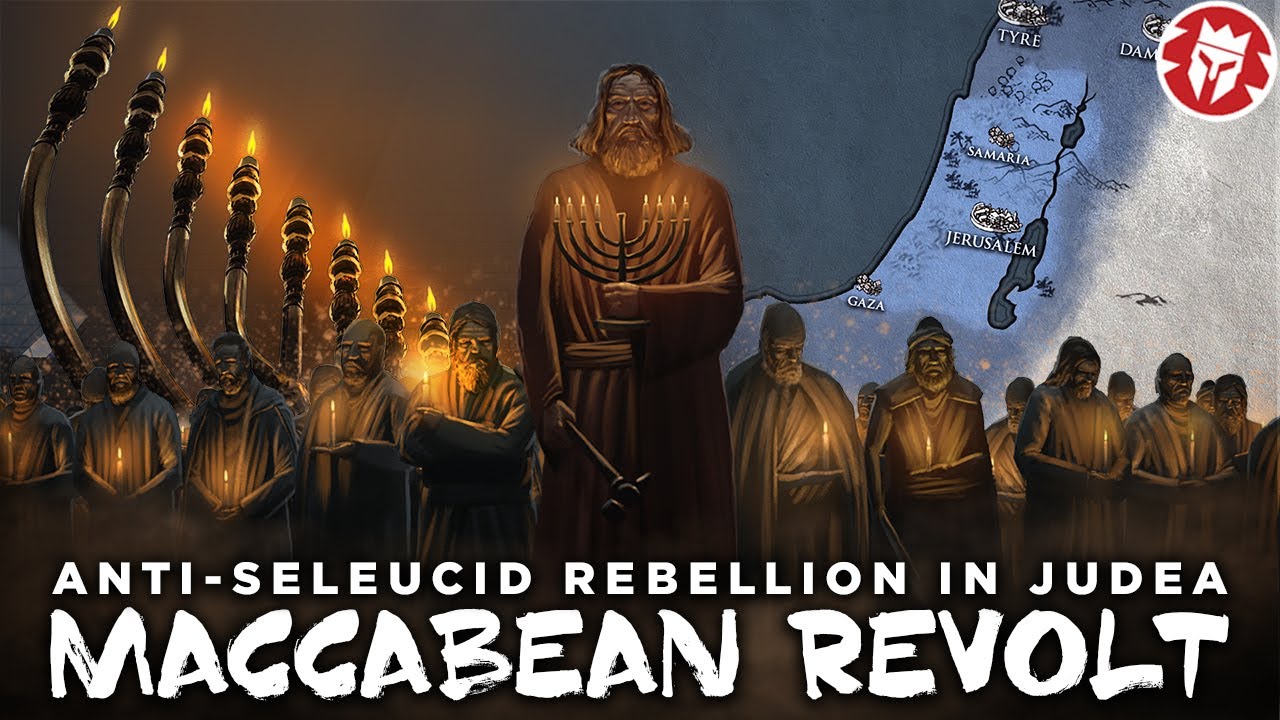
Maccabean Revolt: A Fight for Freedom
The Maccabean Revolt (167 BC – 160 BC) remains a pivotal moment in Jewish history, as it marked the struggle against the Seleucid Empire and the Hellenizing policies that sought to eradicate Jewish identity. This uprising, led by the Maccabees, is celebrated for establishing Jewish sovereignty and restoring religious freedom. ✨
The Historical Background of the Maccabean Revolt
To understand the Maccabean Revolt, one must first grasp the historical context surrounding it. The Seleucid Empire, one of the successor states to Alexander the Great’s empire, imposed strict Hellenistic culture and religious practices on the Jewish populace in Judea. This included the banning of Jewish religious rights and the desecration of the Second Temple in Jerusalem.
The straw that broke the camel’s back was the infamous decree by Antiochus IV Epiphanes, which outlawed Jewish practices. The response was fierce — a resistance led by **Mattathias** and later his son **Judas Maccabeus**, known for their guerrilla tactics and passionate commitment to preserving their faith and culture.
The Key Figures in the Revolt
The primary figures in the Maccabean Revolt were vital to its success:
- Mattathias: The priest who sparked the revolt by refusing to worship the Seleucid gods and killing a Hellenistic Jew who complied with the king’s orders.
- Judas Maccabeus: Mattathias’s son, he became the military leader and strategist of the Jewish forces, known for his brilliance in battle.
- Jonathan Maccabeus: Another son of Mattathias, he played a critical role in diplomacy and military strategies post-revolt.
Major Battles and Strategies in the Maccabean Revolt
The Maccabean Revolt saw several significant battles between the Jewish rebels and the well-equipped Seleucid forces. One of the turning points was the Battle of Emmaus, where the Maccabees utilized surprise attacks and knowledge of the terrain to overcome larger forces.
Tactical Advantages of the Maccabees
What made the Maccabean forces particularly effective were their tactical advantages:
- Familiarity with Terrain: Maccabees often fought in the hills of Judea, using guerrilla tactics that favored their smaller, agile forces.
- Motivation and Morale: The fight for religious freedom was heavily motivating for the rebels, igniting a passion that often translated into battlefield victories.
- Leadership Style: The Maccabees had leaders who were both military strategists and inspiring figures, which bolstered the resolve of their troops.
The Outcome of the Revolt
The ultimate outcome of the Maccabean Revolt was the rededication of the Second Temple in Jerusalem, an event celebrated during the festival of **Hanukkah**. By 164 BC, the Maccabees restored Jewish control over Jerusalem and its temple, leading to the establishment of the Hasmonean dynasty.
Significance of the Maccabean Revolt
This revolt is not merely a historical account; it holds profound significance in the context of Jewish identity and culture. The Maccabean Revolt is a symbol of resistance against oppression and the struggle for freedom, ideals that resonate in various contexts today.
Maccabean Revolt: Cultural Impact and Legacy
The cultural impact of the Maccabean Revolt is seen through various practices and traditions today. Besides the celebration of Hanukkah, the revolt serves as a lesson in resilience and hope against adversity. Jewish history celebrates the determination of the Maccabees, making it a vital part of not only Jewish but also world history.
Complementary Tools and Resources to Enhance Your Understanding
To deepen your understanding of the Maccabean Revolt, here are some complementary tools and resources that can enhance your learning experience:
1. Books on Jewish History
Reading books on Jewish history can provide deeper insights into the context of the Maccabean Revolt. Consider titles like “The Maccabean Revolt: History and Memory” for comprehensive analysis.
2. Documentary Films
Documentaries about the Maccabean Revolt can be visually engaging and informative. They often provide historical reenactments that bring the stories to life.
- Visual Representation: Illustrate key battles and the fervor of the rebels.
- Expert Insights: Features historians or archaeologists who provide modern scholarly perspectives.
- Contextual Background: Sets the Maccabean Revolt within the larger historical narrative of the period.
- Engaging Narratives: Watch compelling stories that emphasize the courage and struggles of the Jewish fighters.
3. Online Courses
Many institutions offer online courses focused on Jewish history that include sections on the Maccabean Revolt. Courses can help you to explore various historical angles in a structured manner.
4. Museum Exhibits
Visiting museums that have exhibits dedicated to the period of the Maccabees can provide tangible connections to historical artifacts, enhancing your understanding of their life and times.
5. Mobile Applications for History Buffs
Consider using mobile applications that focus on ancient history, which may include sections on the Maccabean Revolt.
6. Scholarly Articles
Accessing academic articles about the Maccabean Revolt can offer you in-depth analyses and various interpretations of key events.
7. Online Forums
Participating in online forums that focus on ancient history can provide real-time discussions and insights from history enthusiasts worldwide.
8. Educational Podcasts
Podcasts can be an engaging way to learn. They often include narratives that cover important events of the Maccabean Revolt in an accessible format.
- Accessible Learning: Listen on the go, perfect for those with busy schedules.
- Engaging Narratives: Many history podcasts are hosted by engaging storytellers who make learning fun.
- Expert Guests: Featuring historians who can provide different insights into the Maccabean narrative.
- Broad Range: Many series cover a broad spectrum of topics, often touching on related historical events.
9. Social Media Groups
Join social media groups focused on Jewish history. These platforms allow for discussions and sharing valuable resources with others who share similar interests.
10. Virtual Tours of Historical Sites
Experience virtual tours of significant sites in Judea related to the Maccabean Revolt, providing context and understanding of the terrain and events that transpired.
Exploring the Maccabean Revolt in Modern Contexts
The themes of the Maccabean Revolt echo in modern struggles for religious and cultural freedom. Today, the story of the Maccabees serves as an inspiration for those fighting for their rights and identity.
Despite its ancient origins, the legacy of the Maccabees continues to influence contemporary debates about freedom, identity, and resilience in the face of adversity.
The Relevance of the Maccabean Revolt Today
Understanding the struggle the Maccabees faced sheds light on today’s issues regarding identity and oppression. Their courage and resolve encourage individuals and communities facing similar challenges today.
Final Thoughts on the Maccabean Revolt
Embracing the historical significance of the Maccabean Revolt allows us to appreciate the factors that shape cultural identity and the relentless spirit of resistance against oppression. By using tools and resources, you can further explore how this historical event resonates today. What scares you; adversity or constantly rising to meet it? The Maccabean spirit is a reminder that the fight for one’s beliefs is noble and worth pursuing.
The Background of the Maccabean Revolt
The Maccabean Revolt (167–160 BCE) was a significant uprising led by the Jewish Maccabees against the Seleucid Empire, which sought to impose Hellenistic culture and religious practices on the Jewish population. This revolt not only represented a struggle for religious freedom but also was a pivotal moment in Jewish history, leading to the establishment of the Hasmonean dynasty. The context of this conflict arose due to rising tensions between the Jewish people and their Hellenistic rulers, fueled by the latter’s attempts to outlaw Jewish practices.
Roots of Conflict
The Seleucid king Antichus IV Epiphanes attempted to unify his empire under a common culture, forcing Hellenism onto his subjects, including the Jews. He outlawed key Jewish practices, such as circumcision and the observance of the Sabbath, and erected a statue of Zeus in the Temple of Jerusalem, which outraged the local population and served as a catalyst for rebellion. This tyranny encountered fierce resistance from a Jewish priestly family known as the Maccabees, led by Mattathias and his son Judas Maccabeus, who epitomized the spirit of resistance.
Initial Reactions
When Mattathias killed a Hellenistic officer in Modiin who demanded that he sacrifice to the Greek gods, it marked the spark that ignited the Maccabean Revolt. As news of this act spread, many Jews joined the rebellion, galvanized by a desire to reclaim their religious freedoms and their homeland. The **Maccabees** became known for their guerrilla tactics, striking at the heart of the Seleucid forces despite often being outnumbered.
Key Figures in the Maccabean Revolt
The success of the Maccabean Revolt can be attributed to several key figures whose leadership and strategic brilliance spurred the rebellion to victory. Understanding these individuals helps illuminate the historical significance of this event.
Mattiathias
The patriarch of the Maccabean family, Mattathias sparked the revolt with his defiance against Seleucid oppression. His passionate speeches and commitment to preserving Jewish laws inspired many to join the fight. As a priest, his religious influence could not be overstated, motivating others to consider the revolt not just as a military campaign but as a religious duty.
Judas Maccabeus
One of Mattathias’s sons, Judas Maccabeus was the military leader of the revolt. Renowned for his strategic acumen, he led several successful campaigns against the Seleucid army. His achievements included the recapture of Jerusalem and the purification of the Second Temple, which is celebrated through the festival of Hanukkah. Judas’s leadership demonstrated the effectiveness of steadfast resistance and faith, inspiring future generations.
Jonathan and Simon Maccabeus
Following Judas’s death, his brothers Jonathan and Simon continued to lead the resistance. Jonathan served as a diplomat and military leader, while Simon eventually gained independence for the Jewish state in 142 BCE, marking the establishment of the Hasmonean dynasty. Their roles expanded the revolt’s success beyond military victories to political sovereignty.
The Course of the Revolt
The revolt unfolded over several years and involved multiple stages, illustrating the evolving nature of the conflict.
Early Battles
The Maccabees initially faced numerous challenges, as their forces were smaller and less equipped compared to the Seleucid army. However, early victories in battles at Emmaus and Beth Horon enhanced their reputation and fortified their ranks with additional supporters.
Strategic Alliances
Throughout the revolt, the Maccabees sought alliances with neighboring nations to bolster their military efforts. Their most notable alliance was with the Roman Republic, which sought to weaken the Seleucid Empire as well. This diplomatic approach not only provided military resources but also legitimized their cause on the international stage.
Recapture of Jerusalem
The climax of the revolt came in 164 BCE when Judas Maccabeus led the Maccabean forces in the successful recapture of Jerusalem and the rededication of the Second Temple. This event symbolized not just a military victory but a rebirth of national identity and religious freedom. The rededication ceremony is still commemorated today as the festival of Hanukkah, where the miracle of the oil lasting eight days is celebrated alongside the military triumph.
The Aftermath of the Revolt
The Maccabean Revolt had profound implications, both immediately and for generations to come. The successful establishment of a Jewish state in the form of the Hasmonean dynasty led to a period of relative peace and autonomy.
Political Changes
After the revolt, the Maccabees established themselves as both religious and political leaders, uniting religious authority with political power. They expanded their territory and influence, engaging in both military conquests and diplomacy to solidify their newly acquired sovereignty. This dual role contributed significantly to the development of Jewish identity in subsequent years.
Religious Reforms
The Maccabees’ victory reignited and redefined religious practices within the Jewish community. They restored the observance of Jewish laws and traditions that had been suppressed for years. Additionally, the festival of Hanukkah became a symbol of resistance and resilience against oppression, celebrated by Jewish communities worldwide to this day.
Cultural Impact
The Maccabean Revolt left a significant mark on Jewish culture and tradition. It became a cornerstone of Jewish identity, reminding future generations of the importance of courage, faith, and the struggle for freedom. The stories of the Maccabees have been told through generations, inspiring movements for liberation across various contexts around the world.
How to Leverage the Legacy of the Maccabean Revolt
The story of the Maccabean Revolt continues to resonate, providing valuable lessons in perseverance and unity. Today, businesses and leaders can draw parallels from this historical event, applying its principles to modern challenges.
Strategies for Empowerment
Utilizing the spirit of the Maccabee warriors can enhance leadership results in contemporary settings. Below are several ways to implement these strategies effectively:
- Create a Unified Mission: Like the Maccabees, establish a clear goal that resonates with your team. This fosters a sense of purpose and motivates collective action.
- Foster Open Communication: Encourage dialogue within teams to address challenges head-on and create an environment where every voice is valued.
- Emphasize Resilience: Promote adaptability and resilience in facing difficulties, reminding your team of historical victories despite adversity.
- Utilize Collaborative Tools: Leverage collaborative platforms to enhance communication and teamwork, much like the Maccabees formed alliances to strengthen their cause.
Complementary Tools to Use Alongside the Principles of Maccabean Revolt
To maximize the lessons from the Maccabean Revolt, consider incorporating complementary approaches and tools in your modern applications. Here are some that can enhance the effectiveness of these principles:
- MindTools – Offers resources for enhancing leadership skills.
- Trello – A project management tool to help teams stay organized and motivated.
- Slack – Facilitates team communication and collaboration.
- Canva – Enhances presentations and visual communication to rally teams around a shared vision.
- Zoom – For virtual meetings that can foster teamwork in hybrid environments.
- Hootsuite – Manages social media campaigns that may link back to themes of unity and resistance.
- BambooHR – A resource that streamlines HR processes, making it easier to support teamwork and organization.
- Asana – For project tracking, ensuring accountability within teams.
- Mindvalley – Provides personal development tools to foster growth and resilience.
Deep Dive: Trello and Asana
Here, we will break down the benefits of two top tools that can complement the leadership principles inspired by the Maccabean Revolt.
Trello
- Visual Project Management: Trello’s card-based interface allows teams to visualize tasks and projects easily, promoting collaboration.
- Customizable Boards: Teams can create boards that suit their specific needs, reflecting the adaptability of the Maccabean strategy.
- Integrations: Trello integrates with various tools, making it easier to coordinate efforts across platforms, similar to how alliances were formed.
- Real-time Updates: Teams can see project progress in real-time, enhancing transparency and engagement, reminiscent of the Maccabee spirit of unity.
Asana
- Task Assignment: Asana allows teams to assign tasks clearly, fostering accountability and teamwork among members.
- Timeline Features: It offers timeline features to plan and track projects, ensuring that goals align with timelines, just as Maccabees coordinated their efforts during battles.
- Reporting Dashboards: Real-time reporting helps leaders make informed decisions based on metrics, akin to how Maccabean leaders evaluated their strategies.
- Goal Tracking: With tools to set and track goals, Asana helps maintain focus on key objectives that resonate with the Maccabean mission.
The Relevance of the Maccabean Revolt Today
The principles behind the Maccabean Revolt continue to hold relevance in today’s world, inspiring movements for justice and freedom. Understanding its historical context and principles of resilience, collaboration, and steadfastness can empower current leaders and organizations facing adversity. What’s fascinating is observing how the legacy of the Maccabean spirit pervades various cultures and movements that advocate for autonomy and identity, providing a roadmap for modern struggles for civil rights and freedoms.
Final Thoughts
While the Maccabean Revolt occurred centuries ago, its legacy transcends time. The struggle for religious freedom, the importance of leadership, and the power of unity are themes that resonate deeply, shaping identities and inspiring actions. Today, the tactics the Maccabees employed in their quest for autonomy can be paralleled with strategies for empowerment in contemporary settings. Explore the tools mentioned, like Trello and Asana, to enhance your efforts in promoting unity and strength in the face of adversity.
By understanding and embracing the lessons of the Maccabean Revolt, individuals and teams can foster a culture of resilience, driving meaningful change within their communities.
For more insights, you can visit Wikipedia on the Maccabean Revolt, which provides a comprehensive overview of this historic event.
The Maccabean Revolt: A Fight for Freedom
In the 2nd century BCE, an incredible story of resilience and faith unfolded—the **Maccabean Revolt**. This significant uprising against the Seleucid Empire not only paved the way for Jewish independence, but also shaped Jewish identity for centuries to come. ✡️ What sparked this revolt? What key figures played pivotal roles in these historic events? Let’s dive deeper.
The Context of the Maccabean Revolt
The revolt began in 167 BCE as a response to the harsh policies imposed by the Seleucid king, Antiochus IV Epiphanes. His prohibitions against Jewish religious practices were not mere legislative changes; they were a direct attack on the cultural and spiritual lives of the Jewish people. The imposition of Hellenistic culture polarized the community, ultimately leading to a rebellion that became a symbol of resistance against oppression.
Key Figures in the Maccabean Revolt
Some crucial individuals emerged as leaders during the Maccabean Revolt, including:
- Mattathias: The original instigator of the revolt, Mattathias sparked the initial rebellion in Modein and set the stage for future resistance against Seleucid rule.
- Judas Maccabeus: Perhaps the most famous of the Maccabees, Judas was Mattathias’s son and became the face of the revolt, renowned for his military strategy and valor.
- Jonathan Maccabeus: After Judas’s death, Jonathan took charge and played a significant diplomatic role in expanding the Maccabean territory and influence.
- Simon Maccabeus: The last brother, Simon led the Jewish people to full independence and established the Hasmonean dynasty.
The Spark of Rebellion
The initial act of resistance was ignited in 167 BCE when Mattathias refused to offer sacrifices to the Seleucid gods. Instead, he killed a fellow Jew who complied, an act that inspired others to rise against the oppressors. This defiance marked the beginning of a series of aggressive confrontations, ultimately leading to the establishment of an independent Jewish state.
Major Battles during the Revolt
The **Maccabean Revolt** was marked by significant battles that showcased the strategic prowess of the Maccabees:
- Battle of Adasa: A pivotal victory for Judas Maccabeus, it provided momentum for the rebels by generating widespread support among the Jewish populace.
- Battle of Emmaus: This battle confirmed the military might of the Maccabees, allowing them to reclaim Jerusalem from Seleucid control.
- Battle of Mount Zion: The Maccabean forces successfully liberated the Temple, culminating in the rededication of the Temple in what is now celebrated as Hanukkah.
The Impact of the Maccabean Revolt
The Maccabean Revolt had lasting effects on Jewish culture and religion:
- Religious Freedom: The revolt restored Jewish worship and traditions that had been suppressed under Hellenistic rule.
- Establishment of the Hasmonean Dynasty: The success of the Maccabees led to a period of political autonomy and religious freedom for the Jewish people.
- Cultural Identity: The events surrounding the revolt solidified a sense of Jewish identity and a narrative of resilience against adversity.
Complementary Tools for Enhancing the Study of the Maccabean Revolt
To deepen your understanding of the **Maccabean Revolt**, consider employing complementary tools that can enhance your knowledge. Here are some effective techniques:
- Historical Texts: Reading primary sources like the *Books of Maccabees* can provide invaluable insights into the events.
- Digital Maps: Using platforms such as Google Maps can help visualize the geographical context of battles and the nature of the revolt.
- Documentaries: Watching documentaries ensures an engaging visual exploration of the Maccabean Revolt, like *The History of the Jews* series.
- Online Lectures: Platforms like Coursera offer courses on ancient history that can enrich comprehension.
- Discussion Forums: Platforms like Reddit can facilitate discussions with other history enthusiasts, enhancing collaborative learning.
- Mobile Apps: Utilizing historical apps can offer quizzes and interactive timelines, such as the *History Timeline* app, enhancing engagement.
- Academic Papers: Consulting studies available on platforms like JSTOR can provide rigorous academic context to the revolt.
- Visiting Museums: Engaging with artifacts in museum collections like the Yad Vashem provides a tangible connection to history.
- Community Events: Participating in local events can contextualize the revolt in modern discussions, keeping the historical narrative alive.
- Engaging with Multimedia: Use platforms like YouTube to explore various interpretations and visual representations of the Maccabean Revolt.
Exploration of Complementary Tool 2: Digital Maps
Using Google Maps can drastically enhance your understanding of the Maccabean Revolt:
- Geographical Context: Visualize key locations related to the battles and significant events.
- Travel Routes: Understand the logistics of Maccabean strategies by examining ancient pathways.
- Current Locations: Compare ancient sites with modern cities to grasp the historical depth of the area.
- Custom Maps: Create personalized maps highlighting specific battles for educational projects.
Exploration of Complementary Tool 8: Community Events
Participating in local events can foster a deeper connection to the **Maccabean Revolt**:
- Educational Workshops: Engage in workshops that discuss the historical context of the revolt.
- Festivals and Commemorations: Attend events that celebrate Jewish culture and the significance of the revolt.
- Expert Lectures: Gain insights directly from historians specializing in this period.
- Networking Opportunities: Connect with other history enthusiasts who can share their knowledge and resources.
The Legacy of the Maccabean Revolt
The **Maccabean Revolt** continues to resonate today, serving as a reminder of the power of faith and resilience. Its legacy is not only celebrated through traditional practices but also through literature, art, and scholarship. The resilience of the Maccabees under harsh conditions has inspired movements for freedom and independence across different cultures and societies.
Conclusion: Embracing the Lessons of the Maccabean Revolt
The Maccabean Revolt encapsulates a remarkable chapter of resilience, courage, and identity. By understanding its history and the tools available for deepening that understanding, we can appreciate not just the events of the past, but also their profound implications on our present and future.
To further explore the Maccabean Revolt, dive into the resources mentioned earlier, and consider how they can enrich your perspective on this monumental event. Whether through academic study, engaging discussions, or community participation, the lessons of the Maccabean struggle continue to inspire and educate.
As you reflect on the profound impact of the **Maccabean Revolt**, remember that knowledge is not just about the past; it’s a tool we use to navigate our present and future challenges.
Consequences of the Maccabean Revolt
The Maccabean Revolt: A Defining Chapter in Jewish History 🎉
The Maccabean Revolt (167-160 BCE) marks a pivotal uprising of the Jewish people against the Seleucid Empire, leading to the establishment of a brief period of Jewish independence and the rededication of the Second Temple. This article delves into the historical background, key figures, events, and lasting impacts of this revolt.
Historical Context of the Maccabean Revolt
The Maccabean Revolt occurred during a time of intense Hellenization imposed by the Seleucid ruler Antiochus IV Epiphanes. The combination of religious persecution and cultural assimilation prompted the Jewish populace to rise against their oppressors. Understanding this context helps to appreciate the revolt’s significance in preserving Jewish identity.
Key Figures in the Maccabean Revolt
Several pivotal figures emerged during the Maccabean Revolt, the most notable being:
- Matthathias: The priest who sparked the revolt by refusing to worship the Greek gods.
- Judas Maccabeus: The third son of Matthathias, who led the military efforts and is celebrated as a national hero.
- Jonathan Maccabeus: Brother of Judas, who continued the struggle after Judas’s death and became High Priest.
The Role of Matthathias and Judas Maccabeus
Matthathias’s initial act of defiance galvanized many Jews, leading to a grassroots militant movement. Judas Maccabeus, known for his strategic leadership, orchestrated significant victories, such as the Battle of Emmaus. These victories were instrumental in revitalizing Jewish hope and resistance.
Major Events of the Maccabean Revolt
The revolt unfolded through several critical battles and events:
- The Massacre at Modiin: Matthew’s refusal to worship led to a violent response, setting the stage for revolt.
- The Battle of Beth Zechariah: An early confrontation that demonstrated the determination of the Maccabean forces.
- Rededication of the Temple: After reclaiming Jerusalem, the Maccabees cleansed the Second Temple, an event commemorated by the festival of Hanukkah.
The Hanukkah Miracle
The miracle of Hanukkah, where a small amount of oil lasted for eight days, symbolizes the divine favor upon the Maccabees’ cause. This event not only strengthened Jewish resilience but also became a fundamental aspect of Jewish cultural identity.
Impact on Jewish Culture and Religion
The Maccabean Revolt significantly shaped Jewish culture and religion, reinforcing the need to preserve Jewish practices in the face of external pressures. It also served as a precursor to later Jewish resistance movements throughout history.
The Legacy of the Maccabean Revolt
The Maccabean Revolt’s legacy is cherished by Jewish communities worldwide. It represents a struggle for freedom and the right to practice one’s faith. The events led to the establishment of the Hasmonean dynasty, which ruled Israel for several decades. By using the principles derived from the revolt, modern Jewish communities sustain their traditions and cultural practices.
The Maccabean Revolt in Modern Context
Today, the Maccabean Revolt is a powerful symbol of resistance against oppression. Its lessons resonate in contemporary discussions about cultural identity and religious freedom. Schools and community centers engage students through educational programs that explore the historical and ethical lessons of the revolt.
Complementary Tools for Understanding the Maccabean Revolt
To further explore and gain insights into the Maccabean Revolt, consider utilizing these complementary resources:
1. Educational Platforms
Websites like History.com offer comprehensive articles and documentaries on the Maccabean Revolt, providing visual and contextual understanding.
2. Historical Databases
Using databases such as JSTOR can give access to scholarly articles and papers, enriching the understanding of the revolt from various academic perspectives.
- Diverse Resources: Access a wide range of peer-reviewed journals.
- Easy Search Features: Quickly find articles specific to Maccabean studies.
- Research Support: Utilize citation tools for academic projects.
- Historical Context: Gain insights from interdisciplinary studies.
3. Documentaries
Engaging with documentaries can enhance the narrative of the Maccabean Revolt. Check out platforms like Netflix for educational content featuring historical themes.
4. Online Discussion Forums
Participating in forums like Reddit can help in gaining insights and diverse opinions on the revolt from enthusiasts and scholars alike.
5. Museum Exhibits
Visiting local museums or historical exhibitions allows one to see artifacts and presentations related to the Maccabean era, bringing history to life.
6. Interactive Timelines
Tools that provide interactive timelines offer a visual representation of events leading up to and during the Maccabean Revolt, enhancing chronological understanding.
7. Biographical Studies
Books and articles dedicated to the lives of key figures like Judas Maccabeus provide deeper insights into their motivations and challenges.
8. Educational Apps
Utilizing apps such as Duolingo can aid in learning Hebrew, enhancing the engagement with Jewish texts related to the Maccabean Revolt.
- Interactive Learning: Engaging lessons that cater to various skill levels.
- Cultural Context: Learn the language and gain insights into Jewish heritage.
- Mobile Accessibility: Study on-the-go with a user-friendly interface.
- Community Engagement: Connect with learners and participate in language events.
9. Podcasts
Listening to history podcasts that focus on the Maccabean Revolt can provide context and analysis from historians and experts.
10. Social Media Platforms
Following historians and institutions on platforms like Twitter can keep you updated on new findings regarding the revolt and its historical context.
Modern Relevance of the Maccabean Revolt
The ideals of the Maccabean Revolt continue to inspire movements for independence and cultural preservation worldwide. Various cultural events, speaking engagements, and celebrations reflect the significance of the revolt in today’s society. Understanding this historical event not only provides a deeper connection to Jewish culture but also strengthens the advocacy for religious freedom across the globe.
Conclusion
The Maccabean Revolt stands as a significant hallmark of Jewish history, representing the struggle for freedom and the preservation of one’s cultural identity. By learning about the historical context, key figures, and lasting impacts, we are reminded of the importance of resilience in the face of oppression. Embracing complementary tools enhances the understanding and appreciation of this remarkable period. As we continue to engage with these lessons, the spirit of the Maccabean Revolt remains alive, inspiring generations to come.
