Salt March: 5 Inspiring Lessons for Today’s Activists
Understanding the Salt March: A Pivotal Moment in History
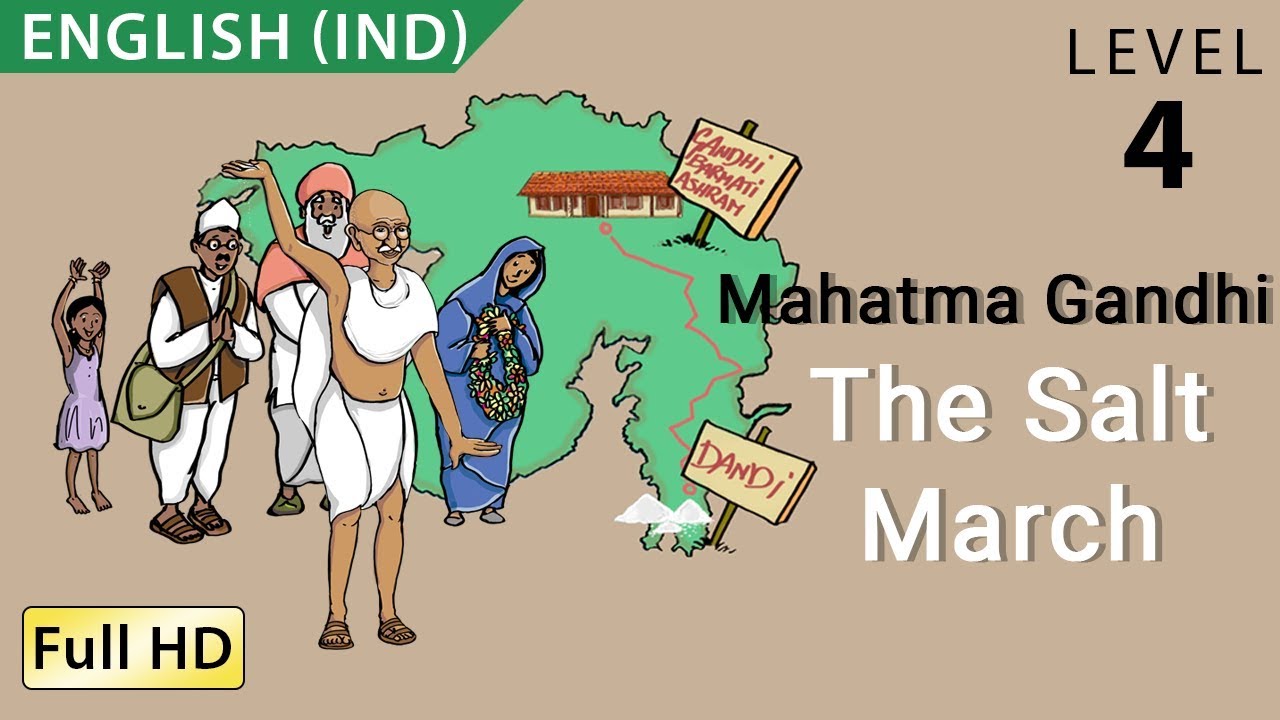
The Salt March of 1930 is one of the most significant events in the Indian independence movement against British colonial rule. Led by Mahatma Gandhi, this 240-mile march from Sabarmati Ashram to the Arabian Sea coast at Dandi served as a powerful act of civil disobedience. 🕊️ By peacefully protesting against the salt tax imposed by the British, Gandhi galvanized a nation and inspired millions worldwide to stand up against oppression.
The Background of the Salt March
During the British rule, India was subjected to oppressive economic policies, including the highly unpopular salt tax. This tax forced Indian citizens to buy salt from the British government at inflated prices, directly affecting the livelihoods of millions. Gandhi saw this as an injustice that could unite the diverse Indian population in a common cause.
On March 12, 1930, Gandhi began his historic march with 78 followers, aiming to make salt from seawater and thus symbolically defy British law. The event not only challenged the British monopoly over salt but also fostered a sense of national identity and self-reliance among Indians.
How the Salt March Impacted India’s Freedom Struggle
The Salt March was not just a physical journey; it was a pivotal moment that ignited widespread protests across India. Similar to how other successful movements, such as the American Civil Rights Movement, effectively mobilized grassroots support, the Salt March demonstrated Gandhi’s ability to connect with the masses.


- Mass Mobilization: The Salt March inspired thousands of Indians to join the movement, demonstrating the power of peaceful protests.
- International Attention: Gandhi’s actions attracted global attention, placing India’s plight in front of international audiences and garnering support from around the world.
- Political Consequences: Increased pressure on British authorities eventually led to negotiations and conversations regarding India’s self-governance.
- Sowing Seeds for Future Movements: The tactics used during the Salt March, especially nonviolent resistance, became foundational for future protests and civil rights movements globally.
The Symbolism Behind the Salt March
Salt, a common yet essential resource, became a symbol of freedom through this march. It represented the struggle against tyranny and the importance of self-sufficiency. The act of making salt was a direct challenge to British rule, and it signified that Indians would no longer accept subjugation.
Gandhi’s use of symbolism was instrumental in communicating the cause’s message effectively. This same principle applies to modern movements, where symbols can resonate deeply with the public and inspire action.
Lessons from the Salt March for Today’s Activism
Today’s movements can draw valuable lessons from the Salt March. Effective activism requires understanding audience segments, a strategy that Gandhi executed flawlessly. Let’s explore how modern activists can replicate this success:
- Building Community: Engaging with diverse groups fosters unity and strengthens the cause.
- Utilizing Social Media: Much like Gandhi reached out to the masses, today’s activists can use platforms for awareness and mobilization.
- Nonviolence: Peaceful protests can often lead to more significant changes than violence.
Complementary Tools to Enhance Advocacy Efforts
While the Salt March serves as a powerful historical reference for activism, it’s crucial to leverage modern tools that can enhance these efforts. Here are some complementary tools that can be utilized alongside the Salt March philosophy:
1. Social Media Platforms
Using platforms like Twitter and Facebook can amplify your message quickly, engaging a larger audience to unify for a cause.
2. Online Petition Platforms
Tools like Change.org can facilitate easily sharing petitions that support causes similar to those of the Salt March, gathering signatures from around the world.
- User-Friendly Interface: Change.org makes it simple for individuals to create and promote petitions.
- Global Reach: Harnessing the power of the internet enables movements to gain international traction.
- Impact Tracking: Petitions allow organizers to monitor support and engagement tide.
- Effective Advocacy Tool: Successful petitions often lead to tangible changes, showing the power of collective will.
3. Event Management Tools
Using platforms like Eventbrite can help organize rallies or gatherings to commemorate the Salt March or similar events.
4. Email Marketing Services
Services like Mailchimp assist in maintaining communication with supporters, ensuring they are informed and engaged.
5. Crowdfunding Platforms
Websites such as Kickstarter can support fundraising efforts for causes, enabling activists to get the financing needed for campaigns.
6. Video Conferencing Tools
Tools like Zoom can facilitate virtual meetings, allowing for collaboration without geographical barriers.
7. Blogs and Online Media
Utilizing platforms such as Medium to share compelling stories related to the Salt March can educate and engage audiences more intimately.
8. Graphic Design Software
Using software like Canva to create visually appealing content and infographics can elevate campaigns, capturing attention more effectively.
- Ease of Use: Even those with minimal design skills can create professional-looking content.
- Visual Storytelling: Engaging visuals can significantly enhance emotional connectivity to the cause.
- Shareability: Eye-catching graphics are likely to be shared on social media, increasing the campaign’s reach.
- Customizable Templates: A wide range of templates streamline the design process, saving time and effort.
9. Collaboration Tools
Utilizing collaborative software such as Slack helps maintain ongoing communication among team members.
10. Influencer Marketing Platforms
Engaging with influencers through platforms such as Upfluence can help spread your message beyond current supporters, tapping into new audiences.
Why History Matters: The Connection to Salt March Today
Examining significant historical events like the Salt March is vital. These moments teach us resilience, unity, and the power of nonviolent action. Understanding the past informs and shapes current and future movements.
For instance, the Salt March’s emphasis on peaceful defiance is echoed today in various social and political movements worldwide. By studying these effective strategies, current activists can adapt and implement similar tactics to address contemporary issues.
The Transformative Power of Salt March in Modern Activism
The Salt March epitomizes how collective, peaceful actions can bring about substantial change. Understanding this allows modern audiences to create strategies that can similarly affect the world today.
But that’s not all… by leveraging various modern tools alongside the principles exemplified by the Salt March, activists can bring even greater awareness and impact to their causes.
Final Thoughts
In understanding and applying the lessons from the Salt March, modern activists can create robust and effective movements that resonate deeply with diverse audiences. Integrating tools that complement these principles enhances one’s capacity to foster change. The legacy of the Salt March continues to inspire, reminding us that change is a journey worth taking.
Legacies of the Salt March in Contemporary Society
The Salt March: A Transformative Journey Towards Freedom
Have you ever thought about how a simple act of defiance can change the course of history? 🌍 The Salt March, led by Mahatma Gandhi in 1930, serves as a powerful reminder of the strength that ordinary citizens can wield against oppressive systems. This nonviolent protest against British salt laws not only played a pivotal role in India’s struggle for independence but also inspired civil rights movements globally.
Historical Context of the Salt March
The Salt March, also known as the Dandi March, unfolded against a backdrop of widespread discontent with British colonial rule in India. We must understand the significance of salt in Indian culture and economy. Salt, a fundamental dietary staple, was heavily taxed by the British, leading to widespread suffering among the local populace. In response, Gandhi initiated this seemingly simple march, thirsting for rights and justice.
The Journey Begins
On March 12, 1930, Gandhi and around 78 followers embarked on a 240-mile journey from Sabarmati Ashram to the coastal village of Dandi, where they planned to produce their own salt. This act of civil disobedience was not merely about salt; it was a profound statement against unjust laws. By the time the march concluded on April 5, it had garnered nationwide attention, highlighting an evolving consciousness among the Indian people.
The Methods of Nonviolent Protest
The Salt March exemplified a strategic use of nonviolent protest. Gandhi’s philosophy focused on ahimsa (nonviolence) and satyagraha (truth force). This approach played a critical role in gaining support from various communities within India, demonstrating that collective action could challenge the might of an empire.
Comparative Analysis: Gandhi’s Approach vs. Other Movements
Unlike various contemporary civil rights movements that resorted to more aggressive tactics, such as armed struggle or violent retribution, Gandhi’s Salt March stood out for its commitment to peace. Compared to more radical approaches, Gandhi’s nonviolent strategy attracted a broader base of support and fostered a spirit of unity.
The Impact of the Salt March on Indian Independence
The repercussions of the Salt March were profound. It ignited a wave of protests across India, challenging not just the salt tax but the entire structure of British colonialism. The mass mobilization it inspired brought together diverse groups, underscoring the march’s role as a catalyst for the Indian independence movement.
Other Country Comparisons: Global Inspirations
Gandhi’s methods influenced various global leaders, including Martin Luther King Jr. and Nelson Mandela. For instance, when King organized the Montgomery Bus Boycott, he drew inspiration from Gandhi’s philosophy of peaceful resistance. By leveraging the lessons from the Salt March, these leaders amplified their own movements, promoting civil rights without violence.
Complementary Tools to Enhance the Impact of the Salt March Philosophy
In today’s digital age, the spirit of the Salt March can be supplemented with various tools that enhance advocacy and mobilization efforts. Here are some ideas on how to effectively utilize complementary platforms along with the guiding principles of the Salt March:
- Email Marketing Tools: Utilizing platforms like Mailchimp can help organize campaigns against injustice and communicate messages effectively to a broad audience.
- Social Media Campaigns: Leverage social media tools such as Hootsuite to orchestrate online protests and spread awareness rapidly.
- Online Petitions: Tools like Change.org can amplify voices and deliver petitions to decision-makers, aligning with the Salt March’s call for justice.
- Crowdfunding Platforms: Use platforms like Kickstarter to raise funds for movements inspired by the Salt March ethos.
- Virtual Meeting Spaces: Engage supporters through tools like Zoom for discussions on civil rights and organizing grassroots initiatives.
- Content Creation Software: Use tools like Canva to design impactful visuals that highlight the principles of the Salt March.
- Influencer Collaboration Platforms: Engage with influencers to expand outreach through platforms like Influencer Marketing Hub.
- Action Tracking Tools: Implement action tracking tools like Trello to keep initiative goals organized and visible.
- Multi-Channel Fundraising: Combine traditional fundraising with modern tools to increase impact.
- Awareness Campaigns: Use media libraries like Wikimedia Commons for high-quality images that can visually represent the legacy of the Salt March.
Breakdown of Social Media Campaigns Using Hootsuite
- Scheduling Posts: Plan and schedule posts to maintain consistent communication about movements and events.
- Engaging Audience: Track engagement metrics to understand your audience better and tailor your messages accordingly.
- Monitoring Brand Mentions: Keep tabs on discussions around social justice issues to stay informed and responsive.
- Analytics Reporting: Utilize reports to assess the success of campaigns and adjust strategies as needed.
Breakdown of Email Marketing with Mailchimp
- Target Campaigns: Create targeted campaigns that speak to specific demographics, much like Gandhi engaged various social strata in the independence movement.
- Segmentation Tools: Use audience segmentation to tailor messages for maximum impact.
- Responsive Design: Ensure your messages are visually appealing across devices to attract and keep your audience engaged.
- Automated Campaigns: Set up automated email campaigns to stay connected with supporters consistently.
The Lasting Legacy of the Salt March
More than just a protest, the Salt March became a symbol of resistance. Its lessons resonate today, encouraging us to question authority and advocate for justice. Current movements drawing from this historical blueprint showcase the ongoing relevance of Gandhi’s approach. The world today still needs the same spirit of unity and courage demonstrated during the march.
Modern Civil Rights Movements Inspired by the Salt March
Various modern civil rights movements, such as Black Lives Matter and climate activism, have embraced the philosophy of nonviolent resistance reminiscent of Gandhi’s teachings. By understanding the Salt March, activists today can navigate their struggles more effectively, creating a legacy that honors past sacrifices.
Conclusion: The Salient Lessons from the Salt March
The Salt March serves as an enduring beacon of hope in the fight for justice. By understanding its historical significance and applying its teachings in contemporary advocacy, individuals can contribute to a collective future defined by equality and respect for all. As you contemplate the future of social justice movements, remember the relevance of the Salt March. Explore how these principles can inform your advocacy efforts today.
Further Historical Context and Resources
The Salt March: A Symbol of Resistance and Freedom
The **Salt March** of 1930 was not just a pivotal event in India’s struggle for independence but also a profound demonstration of civil disobedience against British colonial rule. 🌍 In this article, we will delve deeper into the Salt March, its historical significance, and explore how the lessons from this monumental event can be enhanced using complementary tools in today’s context.
What Was the Salt March?
The Salt March, also known as the Dandi March, was led by Mahatma Gandhi as a direct action campaign against the British salt monopoly. This 240-mile march from Sabarmati Ashram to the Arabian Sea took place over 24 days, culminating in the symbolic act of making salt from seawater. This was not merely about salt; it was an assertion of the right to self-government and economic independence.
The Significance of the Salt March
The **Salt March** marked a turning point in the Indian independence movement. It inspired millions to join the non-violent struggle against tyranny. One of the key features of this campaign was its ability to bring together diverse groups of people, highlighting the power of unity in the face of oppression.
Comparative Analysis: Lessons from the Salt March
In a world where various movements arise, the Salt March teaches us about the effectiveness of grassroots mobilization. Compared to many modern protests, the Salt March showed that change can be achieved through non-violent means. Unlike some contemporary methods, which may rely on technology, the Salt March’s face-to-face interactions created a sense of community and purpose.
Applying Salt March Principles Today
To truly appreciate the Salt March, it’s beneficial to incorporate its principles into current practices. Here are some practical ways to apply these lessons in your life or community initiatives:
- Organizing community marches for local causes.
- Creating awareness campaigns that emphasize unity and non-violence.
- Encouraging conversations around civil rights and advocacy.
- Using social media platforms to amplify voices and movements.
Complementary Tools to Enhance the Principles of the Salt March
To maximize the impact of the teachings from the Salt March, integrating specific tools and services into your efforts can be highly beneficial. Here are several ideas on how you can enhance the principles of the Salt March with complementary tools:
1. Social Media Campaigns
Utilizing social media platforms like Facebook or Twitter allows for the amplification of messages related to peace and unity. By creating hashtags inspired by the Salt March, you can encourage others to join the conversation.
2. Online Petition Platforms
Using platforms like Change.org can help you gather support and signature for initiatives that align with the values demonstrated during the Salt March.
- Customer-friendly interface: Easy navigation for creating petitions.
- Wide reach: Potential to reach a vast audience for your cause.
- Real-time updates: Keep supporters informed with live updates.
- Analytics: Track engagement levels and signature progress.
3. Community Education Programs
Implementing educational workshops that focus on the history of the Salt March can serve to engage your community. Explore how workshops can be run on platforms like Zoom.
4. Local News Partnerships
Collaborate with local news outlets to raise awareness for marches and community gatherings inspired by the Salt March principles. Media coverage can significantly increase participation.
5. Environmental Awareness Initiatives
Inspired by the Salt March’s focus on self-sufficiency, collaborate with organizations that promote sustainable practices. Together, you can enhance your reach and impact.
6. Community Mobilization Tools
Tools like Eventbrite can help you coordinate and manage events that promote the values of the Salt March.
7. Podcasts and Audio Platforms
Leverage the power of audio storytelling through platforms such as Spotify to advocate for the timeless message of the Salt March.
8. Fundraising Tools
Using specialized fundraising platforms like GoFundMe can enable you to support causes related to civil rights and community justice.
- Accessibility: Easy for anyone to create a fundraising campaign.
- Social sharing: Integrated tools for sharing on various platforms.
- Community support: Engage your community to contribute to shared causes.
- Transparency: Clear tracking of donations and progress towards goals.
9. Volunteer Coordination Apps
Apps such as VolunteerMatch can help connect those who want to participate in community efforts inspired by the Salt March.
10. Representation Through the Arts
Utilizing artistic platforms to showcase the history of the Salt March through theater, dance, or visual arts can instill a powerful message of resistance and unity.
Modern Applications of the Salt March Philosophy
The philosophy behind the **Salt March** remains relevant today. Issues like social justice, environmental sustainability, and community empowerment can be connected back to the teachings of Gandhi’s movement. Engaging in these principles fosters a sense of activism within society.
The Power of Audience Segmentation
Utilizing insights about audience engagement directly links to the effectiveness of efforts inspired by the Salt March. By understanding how to segment audiences for tailored messaging, campaigns can yield better results and foster greater involvement.
Final Thoughts: The Lasting Legacy of the Salt March
The Salt March remains a poignant reminder of the power of collective action and non-violent resistance. By incorporating complementary tools and expanding on these principles, anyone can harness the lessons from this historical event to effect positive change in today’s environment. ⚡ What you’ll discover next might surprise you: the Salt March is not just an event in history; it’s a call to action that still resonates today.
