St Gregory the Great: 7 Key Facts You Should Know
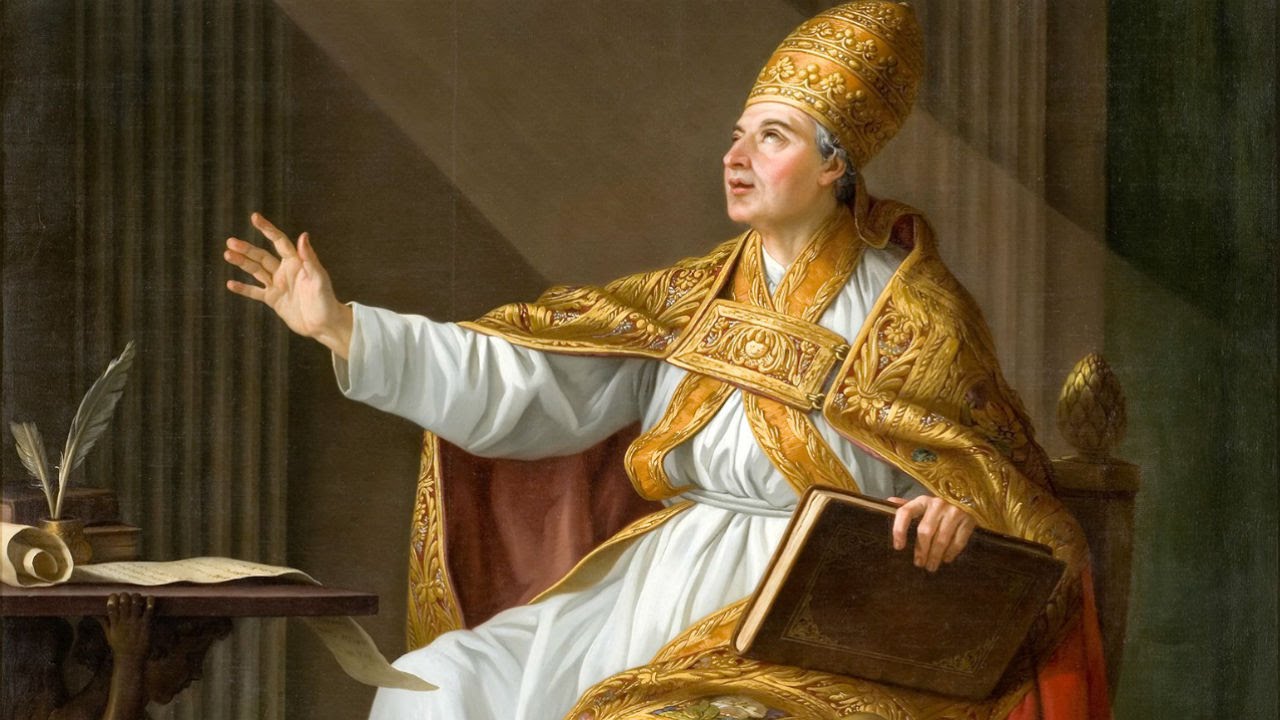
St Gregory the Great: An Influential Pope and Doctor of the Church
St Gregory the Great, also known as Pope Gregory I, is considered one of the most significant figures in the history of the Catholic Church. 🕊️ His contributions to theology, liturgy, and ecclesiastical administration have made him a revered saint, earning him the title of Doctor of the Church.
The Life of St Gregory the Great
Born in Rome around 540 AD, Gregory came from a noble family and was well-educated. His early career was spent as a public official, before he felt the call to religious life. After becoming a monk, Gregory was eventually elected Pope in 590 AD amid difficult times for the Church and Rome. His papacy lasted until his death in 604 AD.
Major Contributions of St Gregory the Great
One of Gregory’s earliest actions as pope was to restructure the administration of the Church. He emphasized the importance of the role of the papacy and initiated reforms that strengthened the Church’s position. Below are some of his notable contributions:
Liturgy and Music
St Gregory the Great is traditionally credited with organizing the liturgy of the Roman Catholic Church and promoting what is now known as Gregorian Chant. This form of music has had a lasting impact on the worship practices of the Church.

Theological Works
Gregory wrote extensively on topics ranging from pastoral care to moral theology. His most famous work, the Moralia in Job, illustrates his theological thinking and exegesis of the Scriptures, helping shape Christian thought throughout the Middle Ages.
The Role of the Papacy
Another major contribution was his defense of the papacy’s authority. Gregory took a firm stance against the secular power of monarchs, reinforcing the notion that the Church held a position of spiritual authority that transcended earthly rulers.
St Gregory the Great and Community Engagement
St Gregory was notable for his commitment to social welfare. He established numerous charitable initiatives and recommended that church leaders focus on the needs of the community. This left a legacy of social consciousness within the Church.
Comparative Analysis
Compared to other papal figures, Gregory stands out for his pastoral approach. Unlike some contemporaries who focused solely on Church doctrine, Gregory emphasized practical applications of faith, serving as a model for future leaders.
The Lasting Legacy of St Gregory the Great
St Gregory the Great was canonized as a saint, and his feast day is celebrated on September 3rd. His influence is seen not just in religious contexts but also in the arts, culture, and social issues, illustrating the profound effect a single individual can have on the course of history.
Using Complementary Tools with St Gregory the Great
To enhance your understanding and engagement with the teachings of St Gregory the Great, you may explore several complementary tools and resources. Here are some ideas:
- Digital versions of Gregory’s writings
- Interactive apps for studying Church history
- Online courses about Christian theology and liturgy
- Community platforms for discussion and reflection
- Resources for Gregorian Chant practice
- Podcasts focusing on Church history
- Virtual tours of significant sites related to Gregory
- Literature comparing historical Church figures
- Documentaries about the Middle Ages and the Church
- Reading groups focused on Church documents
1. Digital Versions of Gregory’s Writings
Accessing Gregory’s works online or through an app can facilitate deeper understanding:
- Convenient access to texts
- Search functionality for key topics
- Annotations and commentaries from scholars
- Integration with study groups for discussions
2. Virtual Tours of Significant Sites
These tours can provide geographical context to Gregory’s life and influences:
- Explore historical churches and monasteries
- Learn about the architectural influences of Gregory’s time
- Understand the cultural significance of locations
- Enhance experiential learning through visual and auditory materials
Interpreting St Gregory’s Teachings in the Modern Context
St Gregory’s teachings occur in a distinct historical setting; nonetheless, they resonate with current values. His advocacy for charity and social concern can inspire modern followers to engage with the plight of marginalized groups. Embracing a holistic approach to faith involves applying his insights into contemporary societal issues.
Comparisons and Unique Insights
Unlike other historical religious figures, St Gregory the Great’s methods of pastoral care and engagement led to profound community-oriented developments. By utilizing modern tools for annotation and study, followers can create a bridge between Gregory’s teachings and modern-day applications. This is where tools such as a digital library of Church documents can be transformative. Access to a vast array of literature allows users to understand how Gregory’s insights apply to today’s faith challenges.
Developing Personalized Learning Experiences
Utilizing St Gregory’s works alongside tools that cater to different learning styles can increase engagement. For example, combining his theological texts with online video lectures or discussion forums can cater to auditory and visual learners:
- Watch lectures on Gregory’s contributions to theology
- Participate in community discussions to deepen understanding
- Utilize social media platforms for sharing insights
- Join online webinars focused on his legacy
Final Thoughts on St Gregory the Great’s Relevance Today
St Gregory the Great’s teachings continue to influence the Church and broader societal values. By integrating modern tools and approaches alongside his writings, followers can foster a richer, more informed understanding of faith in a contemporary context. His profound influence provides a framework through which modern-day issues can be addressed with compassion and social responsibility.
Further Resources and Reading
For those looking to dive deeper into the life and works of St Gregory the Great, several external resources can provide additional context and insights:
- Wikipedia: Pope Gregory I
- New Advent: St. Gregory the Great’s Biography
- Catholic Online: St. Gregory the Great
- Fordham University: Gregory’s Moralia
The Legacy of St Gregory the Great
St Gregory the Great, also known as Pope Gregory I, is a pivotal figure in the history of the Catholic Church. His life and contributions have left a lasting impact on Christianity and its practices across the world. Born around 540 AD in Rome, Gregory’s journey from a wealthy Roman family to the papacy has inspired countless generations. 🌟
Early Life and Ascension to the Papacy
Gregory’s early years were marked by a strong education and a deep commitment to his faith. Before becoming pope, he held various administrative roles, including serving as the prefect of Rome. His administrative skills became apparent during this time, and his deep spirituality led him to resign from public life and serve as a monk. Gregory’s election as Pope in 590 AD marked the beginning of significant reforms within the church.
Contributions to the Church
One of Gregory’s most notable contributions was the Gregorian Chant. This form of plainchant simplified church music, making it more accessible for worshippers. While comparing similar liturgical music styles, like Sacred Harp singing, Gregory’s chants stand out for their structured melodies that facilitate a meditative environment during Mass.
The Writings of St Gregory the Great
St Gregory the Great was an avid writer, leaving a wealth of theological and pastoral works. His most famous writings include the Dialogues, which recount the lives of saints and provide a glimpse into early medieval spirituality. This collection serves as a spiritual guide, offering insights into virtue and the nature of God.
Pastoral Care and Doctrine
In his Pastoral Rule, Gregory provided guidelines for bishops in their care of the Church. His emphasis on compassion and understanding resonated with clergy and laity alike. Unlike modern self-help manuals, Gregory’s principles are rooted in Christian theology and the call to serve with love and humility.
St Gregory the Great and the Spread of Christianity
Gregory played a crucial role in spreading Christianity beyond Rome. His missions to convert the Anglo-Saxons were instrumental in establishing Catholicism in England. By sending missionaries such as Augustine of Canterbury, Gregory laid the groundwork for the establishment of the English Church. This act of evangelization is pivotal when viewed alongside other religious movements, as it demonstrated a practical approach to spreading faith through direct engagement.
Comparison of St Gregory the Great’s Practices
When evaluating St Gregory the Great’s practices versus those of later Church leaders, one sees an emphasis on liturgical unity. For instance, compared to the practices of the Reformation leaders, Gregory’s methods focused on integrating local cultures into church practices, making it more relatable to new converts. This adaptability is a characteristic strength of his leadership, one that newer movements sometimes overlook.
Complementary Tools to Maximize the Value of St Gregory the Great
To enhance the rich teachings and practices of St Gregory the Great, consider integrating various complementary tools:
- **Daily Devotion Apps**: Tools like Recrafted can provide daily inspirational quotes from Gregory’s writings.
- **Meditation Resources**: Incorporating guided meditation apps can facilitate a deeper contemplation of Gregorian teachings.
- **Musical Chants**: Utilizing recordings of Gregorian Chant can enrich worship experiences.
- **Online Study Groups**: Platforms for discussing Gregory’s texts foster community and learning.
- **Theological Courses**: Enrolling in online courses focusing on papal history can deepen understanding.
- **Scriptural Analysis Tools**: Software or apps that provide context to biblical passages can augment comprehension.
- **Liturgical Planners**: Using apps that assist in planning liturgical seasons ensures adherence to Gregory’s practices.
- **Prayer Journals**: Maintaining a prayer journal to reflect on Gregory’s teachings can enhance personal spirituality.
- **Church Management Software**: Tools such as Church Management Software can facilitate practices initiated by Gregory, aiding in organizing church communities effectively.
- **Volunteering Networks**: Engaging with networks focused on community service can embody the pastoral principles Gregory espoused.
Breakdown of Complementary Tool: Meditation Resources
By incorporating meditation resources, such as guided meditations, users can:
- Enhance their understanding of spiritual concepts.
- Develop mindfulness practices rooted in Christian contemplation.
- Foster a connection with God through structured quiet time.
- Utilize specific meditative techniques that reflect on Gregory’s teachings.
Breakdown of Complementary Tool: Church Management Software
Employing church management software offers several advantages:
- Streamlines diocesan communications and task management.
- Facilitates community engagement initiatives aligned with Gregory’s evangelization strategies.
- Enhances record-keeping for baptism, confirmations, and other parish sacramental activities.
- Supports planning for liturgical events inspired by St Gregory’s emphasis on organized worship.
The Impact of St Gregory the Great on Modern Practices
Today, the influence of St Gregory the Great continues to be felt. Many churches still employ the principles he established. His focus on pastoral care is evident in many church programs designed to support parishioners emotionally and spiritually.
Global Recognition of St Gregory the Great
Globally, St Gregory the Great is commemorated on September 3 in the Roman Catholic, Eastern Orthodox, and Anglican traditions. His feast day celebrates his contributions to the church and its followers. Churches often hold special services to reflect on his teachings, drawing parallels to the modern-day needs of their congregations.
Modern Adaptations of Gregorian Practices
With the technology available today, adapting Gregorian practices is easier than ever. Streaming services allow for widespread access to Gregorian Chant. This accessibility enables worshippers from diverse backgrounds to experience the spiritual depth of this music. Unlike past challenges, such as geographic limitations to access, today’s digital age ensures that anyone can explore these profound spiritual resources from home. But that’s not all—many parishes are incorporating these chants into contemporary worship, blending tradition with modernity.
Conclusion
St Gregory the Great’s legacy continues to inspire faith and practice in today’s world. His teachings, coupled with the resources available, allow for a rich exploration of spirituality that blends tradition with modern applications. Engaging with his works and integrating complementary tools only enhances the understanding and implementation of his teachings in daily life.
St Gregory the Great’s Role in Missionary Work
St Gregory the Great: A Pivotal Figure in History
Have you ever wondered about the lasting impact of historical religious figures? 🤔 One name that stands out is St Gregory the Great, a pope who transformed the Christian church in ways that are still felt today. This article delves deep into his life, contributions, and how certain modern tools can complement the understanding of his legacy.
The Life and Legacy of St Gregory the Great
St Gregory the Great, born around 540 AD, served as Pope from 590 to 604 AD. He is notable for his extensive reforms in the church, which were aimed at strengthening the Christian faith across Europe. His life exemplified a commitment to enhancing spiritual practices and improving the pastoral care available to Christians.
Early Life and Background
Raised in a wealthy Roman family, Gregory initially pursued a career in government. However, he felt a calling to the monastic life, leading him to become a monk. This significant transition shaped his understanding of spirituality, which he later applied as Pope. His foundational experiences would later inform his leadership strategies in the papacy.
St Gregory’s Contributions to Christianity
One of the most profound changes initiated by St Gregory the Great was the reform of church administration. He emphasized the importance of missionary work, supporting and sending missionaries to regions such as England. His work laid the groundwork for the conversion of the Anglo-Saxons and the eventual establishment of a Christian church in Britain.
Missionary Work: Expanding the Faith
Missionary work became a hallmark of St Gregory’s papacy. By sending dedicated individuals to preach and establish communities, he expanded the influence of the Catholic Church dramatically. One notable example is St Augustine of Canterbury, entrusted by Gregory to convert the pagan Anglo-Saxons. This mission was not just about spreading religion; it also included establishing educational and community platforms that supported social reform.
Methods and Strategies
St Gregory understood that effective communication was essential for missionary work. He encouraged adaptability, urging missionaries to learn local customs and languages. His strategic foresight allowed for smoother transitions and more successful conversions than mere imposition of beliefs. On this note, by utilizing tools such as translation apps and cultural study resources, those studying Gregory’s methods can better understand and appreciate the historical context and efficacy of these missions.
The Role of Music in Worship
Liturgical music is another area where St Gregory made significant contributions. He is often associated with the development of Gregorian chant, which enhances the worship experience and promotes a deeper connection to spiritual practices. The structured nature of chant reflected Gregory’s belief in the importance of established, orderly worship.
The Influence of Gregorian Chant Today
Even today, Gregorian chant is utilized in various religious settings for its meditative qualities. The use of simple melodies allows congregations to engage in worship more deeply. By incorporating modern music tools like Ultimate Guitar to learn these chants, individuals can enhance their understanding and practice of this sacred music.
Education and Ecclesiastical Reforms
St Gregory the Great advocated for educational reforms within the church, emphasizing the development of clergy and ensuring they were well-equipped to lead their congregations. He introduced stricter guidelines for clergy training and encouraged literacy among church leaders.
Complementing St Gregory’s Educational Influence
To further embrace St Gregory’s vision, one can utilize modern e-learning platforms, such as Coursera. This platform offers courses on theology and church history that can enhance understanding of the contexts in which St Gregory operated. By studying these subjects, learners can gain insight into the lasting impacts of his reforms.
Liturgical Practices: A Lasting Impact
St Gregory’s influence extended beyond education into the very fabric of church practices. His emphasis on liturgical prayer and ceremonies laid the groundwork for future traditions within the Catholic Church.
Integrating Modern Tools for Enhanced Worship
Worship leaders today can use apps like ProPresenter to create engaging worship experiences that keep in mind the structured format that Gregory valued. By enhancing the delivery of worship services, congregations can connect more effectively with their spiritual heritage.
Understanding St Gregory Through Historical Context
To fully grasp the significance of St Gregory’s contributions, it is vital to contextualize his work within the challenges of his time. Issues like the fragmentation of the church, societal shifts, and internal disputes demanded a leader of vision and character, which Gregory embodied.
Modern Research and Analysis
Today, researchers and theologians continue to explore St Gregory’s impact through various scholarly resources. Accessing academic papers, such as those found on JSTOR, can provide deeper insights into how his reforms resonate within both historical and contemporary frameworks. Engaging with scholarly literature enhances understanding of both the complexity of his motives and the effectiveness of his reforms.
Transforming Lives Through Spiritual Leadership
St Gregory the Great was more than just a pope; he was a spiritual guide whose thoughts and actions transformed lives. His teachings emphasized compassion, education, and the importance of community, which are just as relevant today.
Enhancing Leadership Through Collaborative Tools
To embody Gregory’s principles of leadership, individuals can discover tools like Slack to enhance communication in community groups or church settings. By sharing ideas and collaborating on projects, a spirit of community reflective of Gregory’s own can be fostered effectively. The instant communication facilitated by these tools allows for a greater sense of unity.
Developing Personal Spiritual Practices
Incorporating the teachings of St Gregory into personal life involves practicing reflection, prayer, and community service. Spiritual growth is enriched when combined with resources like meditation apps, as these can guide individuals through practices aligned with Gregory’s teachings.
Tools for Spiritual Growth
By using Insight Timer, a meditation app, you can develop your spiritual practices alongside the wisdom of St Gregory. Here are a few benefits of using this app:
- Guided Meditations: Access a large library of resources tailored to fostering spiritual growth.
- Community Support: Join groups that share your interests for encouragement and motivation.
- Custom Timers: Develop personal meditation rituals with customized timing options.
- Variety of Teachers: Learn from diverse instructors with different approaches to spirituality.
Contributions to Theological Writings
St Gregory was a prolific writer, contributing significantly to the development of Christian doctrine. His texts, including Pastoral Care, have served as crucial guides for church leaders throughout history.
Using Digital Resources for Research
For those who want to dive deeper into Gregory’s writings, the Christian Classics Ethereal Library (CCEL) provides free access to many of his works. By exploring these resources, readers can appreciate the enduring relevance of his ideas.
Incorporating Modern Innovations
As society advances, the principles of St Gregory can be adapted and integrated into modern practices. Embracing technology while maintaining spiritual roots reflects the adaptability that Gregory himself demonstrated.
Benefits of Integrating Modern Tools
To fully realize the potential of St Gregory’s teachings, consider complementary tools and apps that enhance spiritual growth and community connection. Here are some ideas:
- Use a prayer application to maintain daily reflection routines.
- Start a discussion forum online to explore St Gregory’s writings with others.
- Engage with multimedia resources that visualize historical contexts.
- Utilize online educational platforms to learn about church history and Gregory’s contributions.
The Continuing Influence of St Gregory the Great
Today, St Gregory’s legacy continues to inspire countless individuals and church leaders. By embracing the principles he established and integrating them with modern tools, we can enrich our spiritual lives in meaningful ways.
Building Lasting Connections
Ultimately, the teachings and reforms initiated by St Gregory the Great stress the importance of community, education, and adaptability. By utilizing a mix of traditional and innovative tools, such as modern communication apps and educational platforms, individuals and congregations can cultivate a deeper understanding and appreciation of his lasting influence in their spiritual journeys.
