What is Paganism: 7 Fascinating Beliefs You Should Know
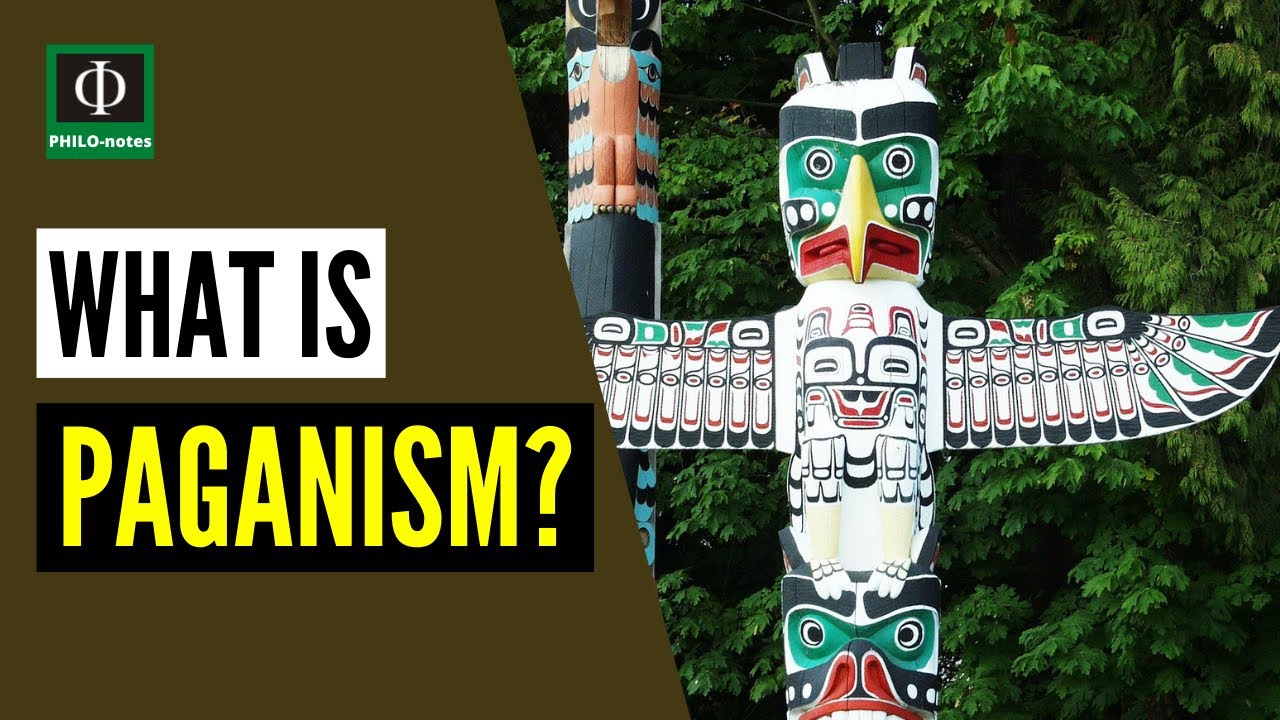
What is Paganism?
Have you ever wondered about the *spiritual practices that differ from mainstream religions*? 🤔 **Paganism**, in its many forms, is one such fascinating exploration of belief and spirituality. It’s a broad term that encompasses a variety of practices and beliefs, often characterized by a reverence for nature, multiple deities, and ancient traditions. Generally, paganism is understood as any polytheistic, nature-based faith that is not one of the world’s major religions.
The Historical Roots of Paganism
Pagan traditions date back to pre-Christian times, and they have roots in various cultures around the world. Many of these belief systems emerged in ancient societies where nature played a pivotal role in daily life. They were typically linked to agricultural cycles, celebrating the changing seasons with rituals designed to ensure a good harvest or to honor the deities that governed these processes.
From the ancient Greeks and Romans to the Celts and indigenous cultures worldwide, paganism has a rich tapestry of history. Fascinatingly, each of these cultures had their interpretations and practices that shaped their spiritual views, creating diverse forms of pagan faith. Whether through the worship of natural gods or the observance of seasonal festivals, the central theme remained consistent: a deep connection to nature and the cycles of life.
Core Beliefs of Paganism
At its heart, **paganism** revolves around a few key beliefs:

- Polytheism: Many pagans worship multiple deities, each representing different aspects of life and nature.
- Nature Worship: Pagan traditions place strong emphasis on connecting with the earth, seasons, and natural cycles.
- Rituals and Celebrations: Most pagan faiths hold seasonal celebrations, such as solstices and equinoxes, to honor nature and deities.
- Spiritual Path: Many pagans follow a personal spiritual path, viewing spirituality as an individual journey rather than a dogmatic adherence to a set doctrine.
How Paganism Differs from Other Religions
Unlike many organized religions, such as Christianity or Islam, which offer a single narrative and sacred text, **paganism** is a diverse, decentralized collection of beliefs. This differential allows practitioners to explore a myriad of spiritual practices and find what resonates personally with them.
Compared to these organized religions, paganism offers flexibility in beliefs and practices. For instance, practitioners of paganism might derive spiritual insights from nature rather than from holy texts. As a result, the focus shifts from worshiping in designated places to experiencing spirituality in the natural world. This individualized approach is a significant selling point for those seeking a more personal connection to their spirituality.
Forms of Modern Paganism
In contemporary society, paganism continues to thrive and evolve into several distinct forms:
- Wicca: A widely recognized modern pagan religion that emphasizes the worship of a God and Goddess, along with nature-based rituals.
- Druidry: A spiritual path inspired by ancient Celtic cultures, focusing on nature, reverence for ancestors, and community.
- Hellenism: This revivalist movement seeks to reconstruct and practice ancient Greek religions, honoring the gods from that pantheon.
With such diversity in modern paganism, practitioners have many options to explore what resonates most deeply with them. By understanding the unique beliefs and customs of different pagan practices, one can engage more meaningfully with their spiritual journey.
Complementary Tools and Resources for Pagans
To enhance the experience of practicing what is paganism, several tools and resources can be beneficial. Integrating these along with your spiritual practices might amplify your connection and understanding of paganic principles.
1. Journaling
Consider keeping a spiritual journal. By noting down thoughts, rituals, and feelings, you can track your spiritual growth and insights. This method nurtures reflection and growth, making it an essential tool alongside what is paganism.
2. Nature Apps 📱
Utilize apps like Earth Nature to identify plants, animals, and natural phenomena during outdoor rituals.
- Enhanced Learning: Gain knowledge about various flora and fauna that you might encounter during rituals.
- Seasonal Tracking: Keep track of changing seasons and their impact on your local environment.
- Diversity in Nature: Explore the ecology in your area, deepening your connection to nature.
- Visual Guides: Visual aids help identify plants and animals, enriching the ritual experience.
3. Online Communities
Interacting with like-minded individuals can enrich your pagan experience. Joining forums or social media groups dedicated to paganism can provide support, share knowledge, and foster community.
4. Meditation Tools
Apps such as Calm or Headspace offer guided meditations that align well with pagan practices. They can enhance your meditation routine and help ground your spiritual experience.
5. Ritual Kits
Shopping for ritual kits online can provide pre-packaged materials that are essential for conducting various pagan rituals smoothly. Look for kits that resonate with your specific path.
6. Tarot and Oracle Cards
Utilizing Tarot or oracle cards can serve as a powerful way to gain insight and wisdom. They can complement the practices of what is paganism by offering symbolic guidance.
7. Herbalism Resources
Resources on herbal magic can deepen your understanding of the natural world and how to use herbs in rituals. This knowledge compliments pagan beliefs about nature and its energies.
8. Astronomical Calendars 🌌
Using an astronomical calendar, like Stellarium, can enhance your practice by tracking celestial events and phases of the moon, which are particularly important in many pagan traditions.
- Astrological Insights: Understand how celestial events affect personal spirituality.
- Ritual Timing: Ensure that rituals are performed during optimal lunar phases.
- Community Events: Stay informed about significant astronomical events within your community.
- Seasonal Adaptation: Adapt your practices with the changing celestial events throughout the year.
9. Local Workshops
Participating in local workshops can enhance your knowledge and skills related to paganism. Attending events or classes provides hands-on experience and builds community ties.
10. Reading Material
Dive into books or online resources that delve deeper into various pagan beliefs, rituals, and history. This continuing education will strengthen your understanding of what is paganism all about.
How to Begin Practicing Paganism
Starting your journey into paganism can be rewarding; however, it may seem overwhelming. To ease into your practice, consider the following steps:
- Research: Read diverse materials to gain insight into different forms of paganism.
- Connect with Nature: Spend time outdoors to foster your relationship with nature as a part of your spiritual practice.
- Participate in Rituals: Attend local pagan gatherings or online ceremonies to experience community rituals.
- Individual Practice: Create personal rituals that resonate with you and reflect your values.
With these steps, you’ll be well on your path to understanding and practicing paganism in a way that is fulfilling and deeply personal.
Understanding Pagan Ethics
Paganism does not have a universally accepted set of ethical guidelines; rather, ethical beliefs can vary widely among practitioners. However, several *unifying principles* can often be observed within the pagan community:
- Harm None: An essential tenet in many pagan faiths urges individuals to act with respect towards others and the environment.
- Personal Responsibility: Practitioners are encouraged to take responsibility for their actions and their spiritual work.
- Respect for Nature: A central theme in pagan ethics is the belief that all living beings are interconnected, and one should respect and care for the environment.
Conclusion
As we explore the principles, diverse practices, and rich history, it becomes clear that what is paganism offers a wide arena of **spiritual inquiry** and discovery. From celebrating nature to honoring a multitude of deities, paganism invites you to embark on a personal journey deeper into the mysteries of life. With complementary tools and resources enriching this path, practitioners can find even greater connection and understanding of their beliefs.
Beliefs and Practices in Paganism
What Is Paganism? 🌿
Paganism is often misunderstood. Many associate it solely with witchcraft or ancient rituals, but its scope is far broader. At its core, **paganism** refers to religious or spiritual practices that are rooted in pre-Christian traditions and often celebrate nature, mythology, and a pantheon of deities. But what does paganism truly encompass? This article dives deep into the essence of paganism, its beliefs, practices, and complementary tools that can enhance your spiritual journey.
Understanding the Foundations of Paganism
At its essence, paganism is diverse, with no single doctrine. Depending on the specific tradition, practices can range from honoring seasonal changes to invoking deities and utilizing rituals. Below, we’ll explore the fundamental aspects of paganism.
Core Beliefs
**Nature Worship:** Many pagans see the Earth as sacred, viewing nature as imbued with spiritual significance. For example, ceremonies may align with the Solstice or Equinox, reflecting gratitude towards natural cycles.
Diversity of Practices
Paganism includes various paths such as Wicca, Druidry, Heathenry, and more. Each path has unique rituals and deities, but they often share a mutual respect for the Earth and its cycles. By using resources like Wicca.com for Wiccan teachings or Druidry.org for Druid practices, individuals can delve deeper into specific traditions while embracing the broader umbrella of paganism.
The Rich Tapestry of Paganism
What truly sets paganism apart is its rich history and adaptability. It has evolved over centuries, absorbing influences from various cultures and beliefs.
Historical Background
Paganism saw a resurgence during the 20th century as people sought alternative spiritual paths. This revival emphasizes a connection to ancestry and nature, a stark contrast to the organized formats of more mainstream religions.
Symbolism and Rituals
Symbols like the pentacle and rituals such as the Wheel of the Year serve as vital components of pagan practice. These elements remind pagans of their connection to the universe and cycles of life. Engaging with amulets or symbolism can enhance personal rituals, making them more meaningful.
Pagan Tools and Resources
Paganism utilizes various tools to enhance spiritual practice. These include crystals, tarot cards, and nature-based items such as herbs. Below, we’ll discuss how these tools can complement your exploration of paganism.
1. Crystals
Crystals are often used in spells and rituals for their believed energetic properties. They can amplify intentions and are thought to interact with energies around us. Commonly used crystals include:
– **Amethyst**: Known for its calming properties
– **Rose Quartz**: Associated with love and healing
– **Citrine**: Often linked with success and wealth
2. Tarot Cards
**Tarot** serves as a powerful tool for insight and personal reflection. By integrating tarot readings into your **pagan** practices, you can gain a deeper understanding of your life journey. Here’s how tarot can enhance your experience:
– **Personal Reflection**: Tarot encourages introspection, providing clarity on personal issues.
– **Guidance for Rituals**: Specific cards can inspire ritual themes and intentions.
– **Community Connections**: Sharing readings can foster understanding within pagan communities.
– **Enhanced Intentions**: Focusing on questions during readings can influence spellwork.
For those interested, consider exploring more about tarot at Biddy Tarot.
3. Herbs and Essential Oils
Herbs hold significant power in pagan rituals. They can be used in spells, consecration, or even to create potions. Popular herbs include:
– **Sage**: Used for cleansing spaces
– **Lavender**: Known for tranquility and love
– **Mugwort**: Often linked to dreams and intuition
4. Candles
Candles are symbols of the divine light and are widely used during rituals and spells. Different colors represent various intentions, enhancing the effectiveness of your practices.
5. Journals
Keeping a journal is a powerful method to track rituals, dreams, and personal growth. This tool can help reinforce the lessons learned throughout your pagan practices.
6. Online Communities
Engaging with online pagan communities helps broaden your understanding and allows an exchange of knowledge and experiences. Participating in forums or social media groups can provide insights into different practices.
7. Meditation Tools
Tools like singing bowls or meditation apps can help create an environment conducive to spiritual practice. This kind of focus supports deeper connections to rituals and personal intentions.
8. Technology and Apps
Utilizing technology can further enrich your pagan practices. Apps providing moon phases, astrological insights, or guided meditations can be beneficial. Notably, Astral Wonders offers a comprehensive suite for tracking lunar phases, allowing practitioners to align their rituals with the natural rhythms of the moon.
- **Cosmic Alignments**: Know when to set intentions or perform rituals.
- **Personalized Notifications**: Get alerts for significant celestial events.
- **Guided Meditations**: Deepen your connection to spiritual practices.
- **Community Support**: Engage with other users for shared experiences and advice.
9. Ritualistic Tools
Items like athames, chalices, and alters are fundamental for conducting rituals effectively. They serve not just functional purposes but also embody the sacred during practices.
10. Nature Connection Practices
Regularly engaging with nature, whether through walks or outdoor rituals, enhances the pagan experience. By appreciating the natural world, you forge a deeper connection to your beliefs.
Applying Paganism in Daily Life
Incorporating **paganism** into daily routines doesn’t require elaborate rituals. Instead, simple practices can dramatically enhance spiritual awareness and connection. Techniques such as meditation, nature walks, and seasonal celebrations foster a sense of presence and gratitude.
Challenges Faced by Practitioners
Like any spiritual path, paganism comes with its own set of challenges. Misunderstanding and stigmatization can pose hurdles for practitioners. Creating a supportive community can alleviate these concerns, providing a safe space for exploration.
Paganism and Modern Spirituality
Many contemporary spiritual seekers find themselves drawn to paganism due to its flexible, nature-centered approach. The growing interest in sustainability and environmental mindfulness aligns beautifully with pagan beliefs, making it particularly relevant today.
The Future of Paganism
As society evolves, so too does paganism. Its adaptability allows it to embrace new ideas while remaining rooted in ancient traditions. Engaging with modern tools like technology and online communities ensures that paganism continues to thrive in a digital age.
Seek, Discover, and Connect
What is paganism is not merely about rituals and beliefs; it’s about finding personal meaning and connection. For those interested in embarking on a pagan path, various resources are available for deeper exploration. From books on mythology to online courses discussing specific traditions, the journey of learning is rich and varied.
In a world eager for connection and meaning, paganism offers a unique perspective that celebrates diversity, nature, and spirituality. As you continue exploring what is paganism, consider how these insights can transform your worldview and practices. Whether through nature, community, or varied tools, the journey is yours to shape.
The Cultural Impact of Paganism
What is Paganism? 🌿
Paganism is a broad term that encompasses various spiritual practices and beliefs that often focus on the reverence of nature, ancestral traditions, and polytheism. Compared to mainstream religions, Paganism offers a unique perspective on spirituality, allowing individuals to connect with the earth and the cycles of life in a deeply personal way. But what exactly does Paganism entail? Let’s delve deeper.
The History of Paganism
Paganism is often considered one of the oldest religions, with roots tracing back to ancient civilizations. Historically, it included various indigenous spiritual practices. Unlike monotheistic faiths, many Pagan traditions are polytheistic, celebrating multiple deities that represent different aspects of nature and life.
Today, many people practice Paganism, inspired by its historical significance and the personal growth it can foster. To explore more about the historical roots of Paganism, you might want to check out this Wikipedia entry.
Key Beliefs and Practices
At the heart of Paganism lies a profound respect for nature and the belief in the interconnectedness of all life. **Core beliefs** often include:
- Nature Worship: Many Pagans view nature as sacred, engaging in rituals that honor the earth’s cycles, including the seasons, solstices, and equinoxes.
- Polytheism: Worshiping multiple gods and goddesses, each associated with different elements of life and nature.
- Rituals: Practicing rituals for various occasions, including rites of passage, seasonal festivals, and personal milestones.
- Connection and Community: Many Pagans find strength in community, engaging in gatherings and shared practices for a collective spiritual experience.
Forms of Paganism
Paganism is not a single tradition but rather a tapestry of various beliefs and practices. Some of the most recognized forms include:
Wicca
Wicca is a modern Pagan religion that emphasizes the worship of a God and Goddess, celebrates the Wheel of the Year, and incorporates spell work and ritual.
Druidry
Druidry is rooted in the ancient Celtic traditions, focusing on the reverence of nature, ancestral wisdom, and the mystical elements of the earth.
Heathenry focuses on the ancient Norse deities and practices, emphasizing a connection to the past and community bonds.
Complementary Tools for Practicing Paganism
Exploring **what is Paganism** can be significantly enhanced with the use of various complementary tools. Here are some ideas on how to incorporate them into your practice:
1. Journaling
By maintaining a journal, you can document your spiritual journey, reflect on rituals, and record your thoughts on different practices.
2. Pagan Books and Resources
Pagan books can significantly deepen your understanding and practice. Here’s how they can help:
- **Knowledge Gain:** Books provide insights into various traditions and practices.
- **Ritual Guidelines:** Many texts offer structured approaches to rituals and ceremonies.
- **Personal Growth:** They often include exercises that facilitate self-discovery and personal development.
- **Community Insights:** Many include stories and practices from different Pagan communities.
3. Online Forums
Engaging in online Pagan communities can provide support and friendship as you explore your spiritual journey.
4. Meditation Apps
Integrating meditation can enhance your connection to nature. Apps like Headspace can guide your meditative practices.
5. Nature Walks
Exploring your local environment allows you to experience nature firsthand, deepening your appreciation for Pagan beliefs.
6. Crafting Ritual Tools
Creating your own tools for rituals (like wands or altars) fosters a personal connection to your spirituality.
7. Workshops and Classes
Participating in workshops can enhance your skills in ritual practice and community engagement.
8. Pagan Merchandising
Exploring Pagan merchandise often provides tools and items tailored for Pagan practices. Here’s how they enhance your spiritual engagement:
- **Tool Personalization:** Many represent personal beliefs and deities, making your practice unique.
- **Encouragement for Rituals:** Items can serve as focal points in rituals and enhance energy.
- **Community Connection:** Purchasing from Pagan artisans supports local crafts and communities.
- **Symbolic Representation:** Many items carry significant symbols important to various traditions, enhancing your connection to them.
9. Crystal Guides
Using crystals in your practices can aid in energy work and enhance ritual elements.
10. Seasonal Celebrations
Joining celebrations that coincide with the Pagan calendar fosters community and deepens appreciation for traditions.
The Importance of Community in Paganism
Community plays a vital role in Paganism. Exploring what is Paganism often leads individuals to seek out covens, groups, or online forums. These communal aspects not only provide support but also nurture individual practices through shared knowledge and experiences.
Celebrating the Wheel of the Year
The Wheel of the Year is a pivotal concept in many Pagan practices, marking the seasonal festivals. Understanding **what is Paganism** requires familiarity with these celebrations which include notable Sabbats such as Samhain, Beltane, and Yule. Each festival serves as a point of reflection, gratitude, and community gathering.
Understanding the Ethical Framework
An important aspect of Paganism is its ethical framework, often guided by the principle of harm none, encapsulated in the Wiccan Rede. This encourages adherents to consider their actions and their impact on the world around them, fostering a responsible and respectful approach to spiritual practice.
The Role of Nature in Paganism
Nature is at the core of Pagan beliefs, emphasizing the beauty and divinity of the natural world. Practitioners frequently seek to honor the elements, seasons, and ecosystems around them. As they engage with nature, they often find inspiration and connection through ritual and meditation, enabling them to deepen their practices meaningfully.
Modern Paganism and Its Growth
In recent years, there has been a resurgence in interest in Pagan practices. This growth can be attributed to a broader societal trend toward exploring spiritual paths that emphasize personal experience over dogma. This evolution has brought Paganism into contemporary discussions on spirituality, allowing more individuals to discover ways in which these ancient practices resonate with their modern lives.
Conclusion: The Journey of Discovery
Discovering what is Paganism can lead to a fulfilling spiritual journey. By utilizing complementary tools, engaging deeply with nature, and connecting with a supportive community, practitioners can cultivate a rich and personal practice that resonates with their beliefs and values. Through this exploration, you may find a spiritual home that emphasizes connection, respect, and the continuous pursuit of knowledge.
For further reading, explore reliable resources like Pagan Wiccan and delve into the depths of ancient practices and modern interpretations.
