Who Was Martin Luther: 7 Key Facts You Should Know
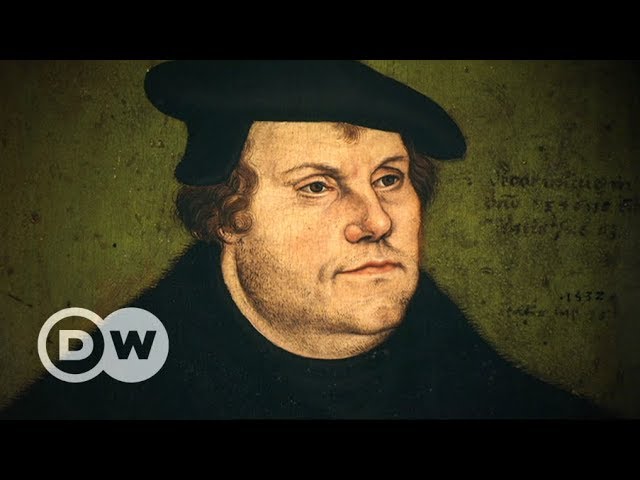
Who Was Martin Luther?
When discussing religious reform and the foundation of Protestantism, the name Martin Luther 🔍 stands out prominently. Born on November 10, 1483, in Eisleben, Germany, Luther was a theologian and monk whose actions sparked the Protestant Reformation. This movement changed the course of Christianity and the socio-political landscape of Europe forever.
Early Life and Education
Martin Luther’s early life was marked by a stringent upbringing. His father, a miner, hoped he would pursue a career in law. Luther initially followed this path, enrolling at the University of Erfurt in 1501. However, a profound experience during a thunderstorm prompted him to enter a monastery in 1505, where he joined the Augustinian order.
His religious zeal led him to deeper theological studies. He earned his Doctor of Theology degree by 1512 and became a professor at the University of Wittenberg, teaching the scriptures and developing his theological framework.
The Ninety-Five Theses
In 1517, Luther penned his famous Ninety-Five Theses, a document that challenged the Catholic Church’s practices, particularly the sale of indulgences. He famously nailed this list to the door of the Castle Church in Wittenberg, prompting widespread debate and protest. This act is regarded as the spark that ignited the Protestant Reformation.


Unlike prior reformers, Luther’s approach resonated with the masses. His emphasis on scripture as the sole authority, or “sola scriptura,” differentiated his message. In contrast to the corruption and dogma of the established Church, Luther offered an accessible interpretation of Christian faith.
The Spread of Luther’s Ideas
The effectiveness of Luther’s message was significantly enhanced by the invention of the printing press. His works quickly circulated throughout Europe, fostering a receptive audience eager for change. Compared to previous reformation efforts that lacked media support, Luther’s ideas gained traction rapidly, leading to a schism in Christianity.
His translation of the Bible into German enabled common people to engage with scripture directly, promoting individual interpretation. Luther’s commitment to education catalyzed the establishment of schools and universities that encouraged literacy among the populace.
Key Beliefs and Teachings
Luther’s theology revolved around several core tenets:
- Justification by Faith: Luther believed that salvation comes through faith alone, rejecting the notion that good works could earn one a place in heaven.
- Authority of Scripture: He posited that the Bible is the sole authority for Christian life and doctrine.
- Priesthood of All Believers: Luther maintained that all Christians have direct access to God, minimizing the role of clergy.
- Two Sacraments: Unlike the Catholic Church, which recognizes seven sacraments, Luther emphasized only Baptism and the Eucharist.
The Impact of Martin Luther
The aftermath of Luther’s actions led to the birth of various Protestant denominations, such as Lutheranism, Calvinism, and Anglicism. Martin Luther’s emphasis on personal faith and the questioning of authority shaped the future of Christianity.
Luther vs. Other Reformers
When comparing Martin Luther to other reformative figures, such as John Calvin or Huldrych Zwingli, his approach diverged particularly in the interpretation of communion. While Calvin’s predestination doctrine created a different theological path, Luther firmly held onto the belief of Christ’s presence in the Eucharist.
Unlike Protestant reformers who followed Calvinist traditions, Luther emphasized that individual believers should be grounded in scripture, allowing for a more personalized faith experience. This distinctive premise has significantly influenced modern Christianity.
Complementary Tools to Enhance Understanding of Luther’s Legacy
To deepen your grasp of Martin Luther’s contributions and the Reformation’s impact, consider utilizing several complementary tools that enrich your exploration:
- Bible Gateway – Access various translations of the Bible for direct engagement with Luther’s scriptural interpretations.
- Goodreads – Find comprehensive lists of theological works and biographies related to Luther.
- C-SPAN’s American History TV – Watch historical documentaries on the Reformation and its significant figures.
- Khan Academy – Explore free lessons and resources on the history of the Reformation.
- Lutheran World Federation – Learn about Luther’s legacy in contemporary Christianity through various resources and articles.
- Amazon – Purchase books about Martin Luther and the Reformation era for enriched understanding.
Using Bible Gateway with Martin Luther’s Teachings
Combining Bible Gateway 📖 with the study of Martin Luther can lead to a more profound understanding of his theological interpretations. Here’s how:
- Multiple Translations: Access different Bible versions to see Luther’s translation decisions in context.
- Search Functionality: Quickly locate critical verses that illustrate Luther’s doctrines.
- Commentaries: Read expert analyses on passages that influenced Luther’s teachings.
- Cross-References: Understand connections within scripture that Luther emphasized.
Using Goodreads for Deeper Insights
Utilizing Goodreads 📚 can enhance your exploration of Luther’s works and those about him. Benefits include:
- Book Recommendations: Discover influential texts related to the Reformation and Luther’s impact.
- User Reviews: Read insights from other readers about their interpretations of Luther’s works.
- Reading Lists: Find curated compilations that focus on Christian reformers.
- Author Information: Explore biographies and relevant writings of key figures in the Reformation.
The Role of Education in Luther’s Legacy
Luther’s reformative efforts extended beyond religion into the realm of education. He championed literacy and accessible education for all, believing it was vital for understanding scripture. His influence is seen today in various educational practices and institutions worldwide.
Modern-Day Impact of Luther’s Teachings
The messages articulated by Martin Luther continue to resonate. Various denominations and churches adopt his principles. His assertions about faith, grace, and salvation drive theological discussions and ecumenical movements even now.
Conclusion
Martin Luther remains a pivotal figure in the history of Christianity. His bold actions and teachings transformed the religious landscape, encouraging personal faith and critical engagement with scripture. The values he advocated continue to inspire new generations, highlighting the enduring relevance of his insights.
Discover More about Martin Luther
For those interested in extending their knowledge, further investigate Luther’s life, his theses, and the broader implications of the Reformation through trusted resources like BBC Religion or Nobel Prize Organization. These insights will deepen your understanding of his transformative impact.
Who Was Martin Luther? A Comprehensive Exploration
Martin Luther (1483-1546) was a German theologian whose actions initiated the Protestant Reformation, a movement that reshaped the landscape of Christianity in Europe. 🎉 But who was he really? In this article, we will delve into Luther’s life, beliefs, and the impact he had on both religion and society.
Martin Luther’s Early Life and Education
Martin Luther was born on November 10, 1483, in Eisleben, Germany. His family was middle-class, which allowed him to pursue an education. In 1505, after a near-death experience in a thunderstorm, he vowed to become a monk. He delivered his vows to the Augustinian monastery and began his studies in theology.
Luther earned his Bachelor of Arts degree by 1508 and later a Master’s degree in 1512 from the University of Wittenberg. As a student, he was known for his intense study of the Bible, which would later shape his theological beliefs.
The Ninety-Five Theses
Luther’s theological views began to crystallize, particularly regarding the sale of indulgences by the Church. He believed that salvation could not be bought and that faith alone was sufficient. To express his concerns, he composed the Ninety-Five Theses in 1517, which challenged the practices of the Church.
These theses were widely circulated, marking the beginning of the Reformation. His ideas emphasized salvation through faith and the authority of Scripture over Church tradition.
You can read more about the Ninety-Five Theses here.
Luther’s Key Beliefs
Luther’s work centered around several key beliefs, such as:
- Justification by Faith: Luther argued that faith alone saves individuals, not their deeds.
- The Authority of Scripture: He emphasized the Bible as the sole source of religious authority.
- Priesthood of All Believers: Luther taught that all believers have direct access to God without the need for priestly mediation.
The Formation of the Lutheran Church
In 1521, Martin Luther was excommunicated from the Catholic Church. This act, rather than deterring him, propelled the formation of the Lutheran Church. His followers embraced his teachings, and the Church spread rapidly across Europe. Churches began to adopt Luther’s doctrines, leading to a significant shift in Christian practice and beliefs.
Life After Excommunication
Following his excommunication, Luther was declared an outlaw at the Diet of Worms in 1521. However, he was protected by Friedrich III, Elector of Saxony. During this period, Luther translated the New Testament into German, making the scriptures accessible to the common people. This act not only enhanced his influence but also contributed to the unification of the German language.
Luther’s Influence on Society
Martin Luther’s ideas extended beyond religion; they influenced various aspects of society, including education and governance. He advocated for the establishment of schools to educate children, believing that everyone should be able to read the Bible.
Additionally, his thoughts laid the groundwork for future reformers, including John Calvin and Huldrych Zwingli, thus chipping away at the Catholic Church’s long-standing hold on European society.
Complementary Tools and Resources
Exploring Martin Luther’s life and teachings can be greatly enhanced with complementary tools that enrich the learning experience. Here, we outline ideas on how you can utilize these resources effectively.
- Online Lecture Series: Utilize platforms like YouTube for in-depth lectures on Luther’s theology.
- Historical Documentaries: Watch documentaries that depict the life of Martin Luther and his impact on the Reformation.
- Study Bible: Use a study Bible that offers commentary on Luther’s interpretations of scripture.
- Discussion Forums: Engage in forums to discuss Luther’s impact with like-minded individuals.
- Academic Journals: Dive into scholarly articles for a deeper understanding of Luther’s historical context.
- Timeline Apps: Use interactive timeline apps to visualize events in Luther’s life and the Reformation.
- Books by Modern Authors: Read contemporary books written about Luther to gain varied perspectives.
- Podcasts: Listen to podcasts discussing the Reformation to garner a nuanced understanding of Luther’s influence.
Example Idea Breakdown
1. Online Lecture Series
- Access to experts discussing Luther’s theological contributions.
- Visual stimuli that aid retention of complex concepts.
- Interactive Q&A sessions that facilitate deeper understanding.
- Flexibility to study at your own pace.
2. Historical Documentaries
- Dynamic storytelling that brings Luther’s life to life.
- Visual representations of the era providing context.
- Interviews with historians illuminating critical events.
- Access to primary sources and historical artifacts.
The Legacy of Martin Luther
Martin Luther’s legacy is profound; his teachings fundamentally transformed Christianity and inspired the formation of various Protestant denominations. He is celebrated for advocating for religious freedom and reforming the Church.
Each year, October 31 is commemorated as Reformation Day, marking the day he nailed the Ninety-Five Theses to the church door in Wittenberg. His influence persists, as millions of Christians continue to follow his principles today.
Modern Interpretations of Luther’s Work
Today, scholars attribute various contexts and meanings to Luther’s teachings. Some contemporary theologians focus on his emphasis on grace and faith, while others critique his views on social issues. By combining modern interpretations with his original texts, believers gain a more nuanced understanding of his influence.
Engaging with Martin Luther’s Teachings
Anyone interested in studying Martin Luther should engage with various forms of media and discussions to appreciate the breadth of his influence. Audiobooks, online courses, and eBooks can provide diverse pathways to learn about his contributions.
Moreover, using platforms like Audible for audiobooks can simplify the learning process. By integrating audiobooks with traditional reading, learners can reinforce their understanding of Luther’s theology.
Conclusion: The Lasting Impact
Through his life and actions, Martin Luther not only influenced the religious landscape of his time but also left a legacy that continues to resonate today. His emphasis on faith, education, and direct access to scripture paved the way for modern Christian thought and practice. Exploring Martin Luther’s life through various resources enhances understanding and appreciation of his immense contributions to society.
Who Was Martin Luther? 🌟
Have you ever wondered how a single individual could change the course of history? Martin Luther did just that. This influential figure ignited the *Protestant Reformation* and set the stage for significant religious, political, and social shifts in Europe. In this article, we will delve into who Martin Luther was, his key beliefs, his works, and how he shaped modern Christianity.
Early Life of Martin Luther
Born on November 10, 1483, in Eisleben, Germany, Martin Luther came from a humble background. His father, Hans Luther, was a miner who pushed Martin to earn a law degree, hoping for financial stability. However, Martin’s life took a different turn when he became increasingly disillusioned with the church.
The Spark of Reformation
In 1517, Luther famously nailed his *95 Theses* to the church door in Wittenberg, protesting against the sale of indulgences. This act is widely considered the catalyst for the Reformation, a movement aimed at addressing widespread corruption in the Catholic Church. By criticizing these practices, Luther sparked the monumental shift towards a more personal faith.
Key Beliefs of Martin Luther
At the heart of Luther’s teachings were several core beliefs that fundamentally changed Christian doctrine:
- Justification by Faith Alone: Luther argued that salvation comes through faith and not through good works.
- Authority of Scripture: He emphasized the importance of the Bible as the sole authority for Christians, rejecting church traditions that lacked biblical support.
- The Priesthood of All Believers: Luther believed that every Christian has direct access to God and does not need intermediaries.
Key Events in Luther’s Reformation
The Reformation was marked by several pivotal events that underscored Luther’s impact:
- **The 95 Theses (1517)**: Luther’s writings gained attention, spreading rapidly due to the recent invention of the printing press.
- **Diet of Worms (1521)**: Luther was summoned to speak before the Holy Roman Emperor, where he famously refused to retract his writings.
- **Translation of the Bible**: Luther translated the Bible into German, making it accessible to the common people and promoting literacy.
The Legacy of Martin Luther
Martin Luther’s actions led to the formation of various Protestant denominations and a reevaluation of the role of the church in Europe. His emphasis on faith and scripture has had enduring influence on modern Christianity.
Modern Implications of Luther’s Beliefs
Today, Luther’s principle of *Sola Scriptura* remains significant among many Protestant denominations. The idea of a personal relationship with God fosters an inclusive community of believers. This approach has reshaped the landscape of global Christianity and inspired countless reformations worldwide.
Complementary Tools for Followers of Luther’s Teachings
To enhance your understanding and application of Martin Luther’s teachings, consider utilizing the following tools:
1. Online Bible Study Tools
Using websites like [Bible Gateway](https://www.biblegateway.com) can help you study scriptures deeply. These platforms offer:
- Diverse translations for nuanced understanding.
- Commentaries from respected theologians.
- Search functions to find specific verses or topics quickly.
- Study plans to navigate through scripture systematically.
2. Theological Resources
The foundation of Luther’s teachings can be explored further with [Lutheran Church resources](https://www.elca.org/). Here’s how these can enrich your understanding:
- Access to historical documents: Read original translations of Luther’s works.
- Educational programs: Join discussions or seminars on Lutheran theology.
- Community engagement: Connect with local congregations for group studies.
- Online courses: Enroll in courses focusing on the Reformation and Luther’s impact.
3. Educational Podcasts
Accessing podcasts that discuss Luther’s life and teachings can offer fresh perspectives. Check out platforms like Spotify or Apple Podcasts for insightful series that delve into the Reformation.
4. Historical Documentaries
Documentaries about the life of Martin Luther provide compelling visual narratives of his journey. Explore options available on streaming services to enhance your understanding visually.
5. Community Forums
Platforms like Reddit have dedicated communities where individuals share insights and discuss Luther’s doctrines. Engaging in these conversations can deepen your understanding of different viewpoints.
6. Study Groups
Joining a local study group or online community fosters discussions around Luther’s teachings and allows for shared learning experiences.
7. Religious Texts
Purchase or download key texts of Luther’s writings, such as *The Bondage of the Will*, from reputable bookstores or platforms like Project Gutenberg for free access. This direct source material complements discussions of his teachings.
8. Social Media Engagement
Following pages or groups focused on Luther on platforms like Facebook or Twitter can continue your learning. These resources often share quotes, historical events, and relevant discussions surrounding Luther.
9. Online Courses
Enroll in courses offered by institutions like Coursera that cover the Protestant Reformation to gain a structured understanding of the topic.
10. Volunteer Opportunities
Engaging with your local church through volunteer programs can provide practical experiences reflecting Luther’s beliefs in action.
Conclusion
Martin Luther’s legacy continues to shape our understanding of Christianity and the role of faith within personal and communal contexts. His courageous stand against the established order transformed not just religion but the fabric of society itself. By exploring his life and teachings, and employing complementary tools, you can understand the profound impacts of his work more effectively.
Martin Luther’s Legacy and Influence
Who Was Martin Luther? 🌟
Have you ever wondered how a single individual’s thoughts can change the course of history? Meet Martin Luther, a key figure in Christianity whose actions ignited the Protestant Reformation in the early 16th century. His bold stance against the Catholic Church fundamentally altered the landscape of Western Christianity, leading to profound social and theological changes that resonate even today. Let’s journey through the life of Martin Luther, exploring his key beliefs, pivotal actions, and lasting effects on religion and society.
Early Life and Education
Born on November 10, 1483, in Eisleben, Germany, Martin Luther was the second of four children. His father, Hans Luther, was a miner who wanted his son to pursue a career in law. Luther initially started studying law at the University of Erfurt but later pivoted towards theology. This change unfolded dramatically when, in 1505, he experienced a near-death experience during a thunderstorm that led him to join the Augustinian friars, seeking to dedicate his life to God.
Monastic Life and Theological Awakening
Entering the monastery in 1506, Luther dedicated himself to ascetic practices, focusing on prayer, fasting, and confession. However, despite his rigorous efforts, he struggled with a profound sense of unworthiness and guilt. This internal conflict initiated a transformative period in his life, during which he immersed himself in the Scriptures, leading him to a pivotal revelation: salvation is attained through faith, not deeds.
The 95 Theses: A Call for Reform
On October 31, 1517, Luther famously nailed his 95 Theses to the door of the Castle Church in Wittenberg. This document outlined his grievances against the church, particularly criticizing the sale of indulgences—payments made to absolve sin. Luther’s theses provoked a furious reaction, spreading swiftly throughout Germany and beyond due to the recent invention of the printing press. This sparked widespread debate and led many to question the authority of the Catholic Church.
Trial and Exile: Standing Firm in Belief
As his ideas gained traction, Luther faced the wrath of church authorities. In 1521, he was summoned to the Diet of Worms, where he famously declared, “Here I stand, I can do no other.” This statement solidified his commitment to his beliefs despite the risk to his life. After the Diet, Luther went into hiding under the protection of Frederick the Wise and translated the Bible into German, making it accessible to the layperson and further challenging church authority.
Core Beliefs and Theological Contributions
Luther’s theology was marked by several key principles: justification by faith alone, the priesthood of all believers, and the authority of Scripture (sola scriptura). His views emphasized that salvation is a divine gift received through faith, eliminating the necessity for intermediate church authorities. This notion paved the way for new interpretations of Christian doctrine and practice.
Growth of Protestantism and Influence Beyond Germany
Martin Luther’s influence spread rapidly, not just within Germany, but across Europe. The emergence of various Protestant denominations can be traced back to his teachings. Advocates of Luther’s reforms found supporters in Switzerland, England, and France, each adapting his ideas to fit their cultural contexts. The Protestant Reformation initiated radical changes in church structure and society, challenging the Catholic Church’s long-standing dominance.
Complementary Tools to Enhance Understanding of Luther’s Impact
Learning about who was Martin Luther can be enriched through several complementary tools and resources that provide deeper insights and broader contextual understanding. Here are efficient ways to enhance your understanding:
- Online Courses: Platforms like Coursera offer courses on the Reformation, exploring Luther’s contributions in detail.
- Documentaries: Watching documentaries such as “Martin Luther: The Idea That Changed the World” delves into his life and legacy.
- Historical Texts: Reading primary sources, such as Luther’s letters, helps to grasp his thought processes and motivations.
- Podcasts: Engaging with podcasts that discuss Luther and the Reformation provides an auditory exploration of his impact.
- Interactive Timelines: Utilizing websites featuring timelines of the Reformation helps visualize events and their interconnectedness.
- Theologian Resources: Websites like The Gospel Coalition provide articles that discuss Luther’s theological contributions in-depth.
- Community Discussions: Joining forums or social media groups dedicated to church history can enhance understanding through collaboration.
- Church Visits: Visiting historical churches connected to Luther’s life offers a tangible connection to his story.
By utilizing resources such as the Coursera online course, you will achieve a more structured understanding of the socio-religious environment of the time, aiding in a profound comprehension of how who was Martin Luther not only shaped the religious landscape but also initiated significant societal changes that followed.
The Counter-Reformation: Luther and the Catholic Response
The rise of Martin Luther elicited a swift response from the Catholic Church, leading to the Counter-Reformation. This movement aimed at addressing the issues brought forth by Luther and other reformers, seeking to reform the Church from within while also reinforcing traditional Catholic doctrines. The Council of Trent established a response characterized by a reaffirmation of Catholic teachings and the necessity for reformation within the church’s practices.
The Impact of Martin Luther’s Writings
Martin Luther was not only a reformer but also a prolific writer. His works, including “The Small Catechism” and “On the Freedom of a Christian,” had a profound impact beyond his immediate context. His writings advocated for personal faith and theological reflection, emphasizing the need for believers to engage directly with the Scriptures. Luther’s push for Bible translation laid the groundwork for the development of the German language and literature.
Modern Relevance of Martin Luther’s Ideas
Today, Martin Luther’s thoughts on faith, grace, and the nature of God continue to resonate. His emphasis on personal conscience and the individual’s relationship with God paved the way for modern democratic ideals, emphasizing personal freedoms and the value of individual belief systems. Moreover, issues surrounding religious tolerance and freedom can trace their roots back to the debates ignited by Luther’s actions in the 16th century.
Conclusion: Martin Luther’s Enduring Legacy
The legacy of Martin Luther echoes through centuries, placing him as a pivotal figure in world history. His bold actions not only redefined Christianity but also served as a catalyst for social change that would shape future generations. As you explore his life and work, you’ll find a wealth of material demonstrating his influence not just within the religious sphere but in the societal transformations that followed. His journey reminds us of the power of faith, conviction, and the ripple effects one individual’s courage can have on the world. By understanding Luther, we can appreciate the complexities of belief and the continuous evolution of faith in society.
